
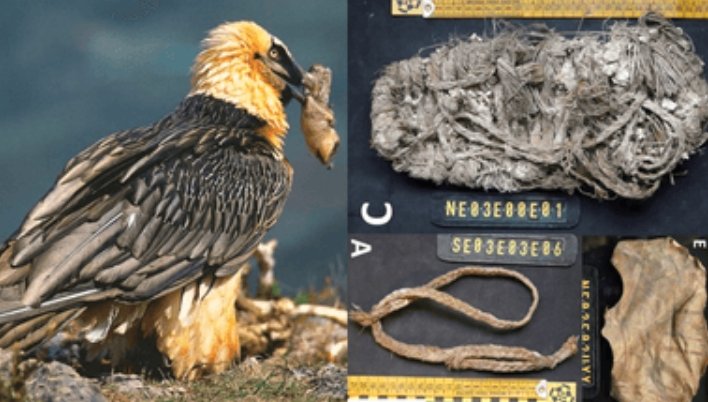
Researchers in southern Spain have uncovered a 650-year-old woven sandal inside an abandoned bearded vulture nest. This find highlights how these birds unintentionally preserved pieces of human history for centuries in remote mountain caves.
The discovery came from a detailed study of 12 old nests, revealing over 200 human-made items that offer a glimpse into medieval life. Experts say these nests act like natural time capsules, protected from weather and human touch.
The Surprising Discovery in Ancient Nests
Teams of scientists spent years tracking down these forgotten nests high on cliff sides. They used old records from the 18th and 19th centuries, plus talks with local elders in their 70s and 80s who recalled the birds from their youth.
Bearded vultures vanished from southern Spain 70 to 130 years ago, but their homes stayed intact. The birds built nests in cool, dry caves that shield contents from decay. This work, shared in a recent scientific report, shows how such sites hold clues to both wildlife and people from long ago.
One nest held a full sandal made from tough esparto grass, dated to around 1375. Other spots turned up tools and fabrics from the same era. These finds beat many traditional digs because the nests stay sealed for generations.
What Artifacts Were Unearthed
Digging through the nests layer by layer brought up a mix of animal parts and human goods. Most remains tied to the vultures diet, as these birds crush and eat bones from animals like sheep and goats.
Human items made up about nine percent of the haul. Radiocarbon tests put their ages between 150 and 750 years old. The variety points to everyday tools lost or dropped near the mountains.
Here is a table summarizing the main types of human artifacts found:
| Artifact Type | Quantity | Age Range (Years Old) | Examples |
|---|---|---|---|
| Leather Pieces | 72 | 150-650 | Sheepskin with red paint lines |
| Cloth Fragments | 129 | 150-500 | Wool and linen scraps |
| Esparto Grass Items | 25 | 200-750 | Sandals, ropes, baskets |
| Metal and Wood Tools | 10+ | 300-600 | Crossbow bolt, wooden lance, slingshot |
This table shows the range and condition of items, many still in good shape thanks to the nests stable environment.
How Vulture Nests Preserve History
Bearded vultures reuse the same nests for hundreds of years, adding layers over time. Their spots in high caves create perfect storage with low humidity and steady temperatures around 10 to 15 degrees Celsius.
These birds grab anything nearby for building, including bits of cloth or rope from shepherds below. Unlike ground sites that erode, these aerial homes keep things safe from rain, bugs, and people. Experts call them natural museums for this reason.
Recent climate shifts threaten such preservation, as warmer weather could spoil older layers. Still, the dry air has kept bones and fabrics crisp, letting scientists study them without special chemicals.
Insights into Past Human Life
The artifacts paint a picture of rural Spain in medieval times. The sandal, woven from local grass, matches styles used by farmers for tough mountain work. Leather bits suggest herding, while tools like the lance hint at hunting or defense.
- Key human activities reflected: Sheep farming, with painted hides for marking ownership.
- Basket fragments show plant weaving skills passed down for generations.
- Cloth pieces indicate trade routes, as some fibers came from farther north.
- Weapons like the crossbow bolt point to conflicts or wildlife control in the area.
These details fill gaps in records from the 13th to 18th centuries. For instance, a similar but older sandal from 6,200 years ago turned up in a Spanish cave last year, linking back to early settlers. In Norway, Roman-era shoes from 1,800 years ago emerged in 2024, but none from a bird nest like this.
The finds also reveal vulture diets, with over 2,000 bone pieces from wild and farm animals. This helps track how landscapes changed, from dense forests to open pastures over time.
Conservation and Future Research
Bearded vultures face big threats worldwide, listed as near-threatened with only about 10,000 left. In Europe, poisoning from farm chemicals wiped them out in places like southern Spain. Reintroduction programs in the Pyrenees have boosted numbers to 144 pairs this year.
Studying these nests could guide comebacks by showing past habitats. Eggs shells from the sites let experts check old toxin levels, aiding safe releases. Groups like The Peregrine Fund push for global protection, noting nests in the Himalayas might hold Asian history.
This work opens doors for more digs in Africa and Asia, where vultures still thrive. It blends bird care with human stories, proving nature holds our past in unexpected ways.
Readers, what do you think of these hidden treasures? Share your thoughts in the comments and spread the word on social media to raise awareness for vulture conservation.