
News
Mesa County Launches Native Seed Push Along Colorado River in $35K Riverfront Restoration Effort

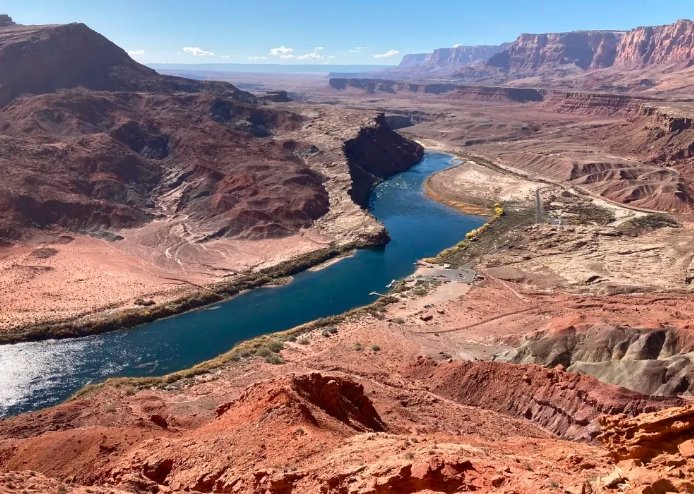
Mesa County’s newest environmental initiative kicks off with a focus on something small but vital: seeds. And not just any seeds—native ones. The county has started restoring parts of the Clifton Nature Park using local vegetation, aiming to revive the area’s original ecology after years of invasive plant overgrowth.
With a $35,000 grant secured back in 2023, the long-awaited Riverfront Restoration Project is finally taking visible shape. And while the seed’s already in the ground, the bigger picture? That’ll take years to unfold.
A Battle Against Invaders, One Sprout at a Time
The Colorado River corridor might look lush, but not everything green is good. Invasive species like Russian Olive and Russian Knotweed have quietly overrun parts of the area, edging out native plants and throwing off the balance.
“They’re terrible for forage,” said Ryan Surad, who leads the Noxious Weed and Pest Program for the county. “Some of these plants even pose health risks—like chewing disease in horses.”
Yeah. That’s a thing.
Russian Olive, for instance, not only chokes out native plants but offers little nutrition to local wildlife. It’s also tough, fast-growing, and has a nasty habit of monopolizing water. Removing it is step one. Step two is replacing it with native grasses that can restore the area’s health without the downsides.
Why Native Seed Actually Matters
You hear a lot about “native” plants, but it’s not just about being local. It’s about survival—of animals, insects, and the land itself.
One-sentence paragraph? Here it is.
Native plants evolved here. That means they can handle the local climate, support local pollinators, and feed the animals that’ve been living along the river for generations. When you rip them out—or let them get outcompeted by foreign species—everything that depends on them starts to fall apart.
And for Mesa County, there’s more than just grass at stake. Mammals, birds, and even endangered species rely on this thin corridor of habitat along the Colorado River.
The Timeline’s Not Fast—and That’s the Point
This isn’t a weekend project. Native seeding was completed on March 25, but we won’t see big results for a while.
According to Surad, “It takes about 2–3 years for a restoration project to see the benefits.”
That slow growth might be frustrating to some. But it’s normal. Restoration’s like investing—it builds over time. Right now, seeds are buried. What comes next is weather, germination, growth, and years of monitoring.
And it’s not just “wait and hope.” There’s a lot of ongoing work:
-
Monitoring plant growth to track native seed success
-
Continually removing new outbreaks of invasive species
-
Adjusting soil and water patterns if needed
-
Encouraging wildlife back into restored areas
It’s not glamorous. But it works.
Animals Will Thank Them (Eventually)
The restoration isn’t just about scenery. It’s about survival. Wildlife here depends on a delicate web of plants, water, and cover—and that’s been under stress for decades.
Many of these animals are elusive. You might never see them. But they’re there.
“Mammals and endangered species use this corridor,” Surad explained. “It’s crucial habitat.”
Some of those species include:
-
The Southwestern Willow Flycatcher
-
River Otters
-
Colorado Pikeminnow
-
Desert Voles
None of them thrive in a mess of Russian Olive. But reintroduce the right grasses and trees, and you give them a fighting chance.
Native vs. Invasive: What’s the Real Difference?
Here’s a quick comparison that helps explain why this work matters.
| Plant Type | Pros | Cons |
|---|---|---|
| Native Species | Supports local wildlife, drought-tolerant | Slower growth, may need protection early |
| Invasive Species | Grows fast, fills space quickly | Disrupts ecosystem, poor forage, spreads aggressively |
One sentence to reset the pace.
Invasives win in the short term. But they lose in the long game.
A Grant That Made It Possible
The entire restoration was made possible by a $35,000 grant awarded in 2023. That money covers not just seeds but also labor, invasive removal, tools, and monitoring. It’s not a massive sum by environmental standards, but it’s a critical jumpstart.
“Without the grant, we wouldn’t be doing this right now,” said Surad.
Mesa County isn’t alone, either. Across Colorado and the western U.S., dozens of similar restoration projects are underway, often fueled by federal and state conservation funds aimed at repairing riverside zones that have been heavily altered by development, agriculture, and non-native plant introductions.
A Small Patch With Big Ambitions
This particular project focuses on Clifton Nature Park, a slice of land that hugs the Colorado River. It’s not a giant area, but that’s okay. Surad says it’s more about starting somewhere than trying to fix everything all at once.
“You fix one part, and it becomes a seed for the rest,” he said, not entirely joking.
Long term, the county hopes to expand this work to more parts of the river corridor. That depends on how successful this first phase turns out—and whether additional funding comes through.
So for now, the seeds are in. The weeds are (mostly) out. And over the next few seasons, we’ll see if nature can take it from here.









Halo Campaign Evolved Skulls Meet Death Barriers That Kill the Hunt

Spotify Running Mode Returns After the 2015 Experiment Failed

Amazon AWS Hits Fastest Growth in Years as AI Spend Pays Off

Amazon Bets Platform Beats Models in the AI Race

Apple C2 Modem Edges Into iPhone 18 Pro After Qualcomm Drop

Google Earth Adds Nano Banana 2 to Reimagine Real Places

Apple Upgrade Turns Phones Into Monthly Utility Bills

Asha Sharma Bets Xbox Growth on Console and Four C’s

MacBook Ultra Design Follows Apple’s Familiar Cascade Path

TAG Heuer Carrera x Team Ikuzawa Revives 1970s Roadmaster Stopwatch DNA

Pokémon GO Developer Niantic Rebrands as Scopely Explore

Jaylen Brown Traded to 76ers for Paul George and Four Draft Picks

Doom Studio id Software Cuts Half Its Staff in Xbox Layoffs

Nintendo Switch Online Adds Four Classics and One Japan-Only Title

Jordan Henderson Hospitalized After Wrist Injury at the Azteca

Mexico’s World Cup Run Ends at Azteca as England Hold On 3-2

Meta’s Muse Image Lets Anyone Use Your Instagram Photos in AI

Louis Vuitton Beats Molly Tea in China, Triggers Cultural Backlash

Pink Bearista Cup Returns July 13 as Starbucks Pink Vibes Drops

Samsung Sets Galaxy Unpacked for July 22 in London With a Wider Fold
-

 TECHNOLOGY3 years ago
How to Adjust a Bulova Watch Band – An Easy Guide
-

 News3 years ago
Fred Pentland: Athletic Bilbao’s English mentor who changed the essence of Spanish football
-

 FINANCE3 years ago
Tax Planning for Every Season: Guide to Maximizing Your Tax Benefits
-

 Education3 years ago
African Ministers New Education Plan
-

 BUSINESS3 years ago
What is Entrepreneurial Operating System? A Comprehensive Guide to EOS
-

 Education3 years ago
Innovate Your Learning Journey with Technology and Enhance Education
-

 News3 years ago
Russians formally out of World Athletics Championships
-

 BUSINESS3 years ago
Top 9 Most Expensive American Cities to Rent an Apartment