
News
Cherry Blossoms, Kimonos, and Karate: Fort Wayne Soaks in Japanese Culture at PFW Festival

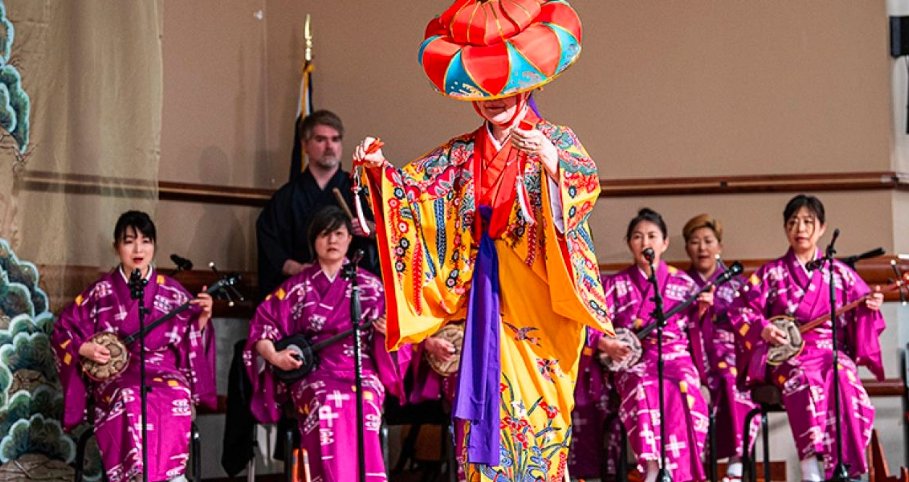
A breezy Sunday afternoon in Fort Wayne turned into a vibrant celebration of Japanese tradition as thousands gathered at Purdue Fort Wayne (PFW) for the annual Cherry Blossom Festival. Music, martial arts, matcha treats—everything was in bloom.
This marked the 17th year the campus hosted the beloved cultural event, one that’s grown into one of the Midwest’s largest springtime tributes to Japan. And this year? It might’ve been the biggest yet.
A Festival of Sound, Color, and Community
The campus buzzed from noon to six. Families, students, artists, and curious visitors strolled from booth to booth, many dressed in kimonos or cosplay, others just there to soak it all in.
You didn’t need a map. You could follow the taiko drums echoing from the main stage or chase the smell of grilled yakitori wafting from the food tents. Lines formed early, but no one seemed to mind.
“Every year, it feels like a little slice of Tokyo lands in Fort Wayne,” said Marsha Lin, a festival regular who brought her two daughters. “They love the origami tables—and I just love the energy.”
Seventeen Years Strong—and Still Growing
The Cherry Blossom Festival isn’t a pop-up or a quick weekend gig. It’s a carefully built tradition that now brings in thousands of attendees each year.
Started in 2008, the event was a modest cultural fair hosted in partnership with the Japanese American Association of Indiana. Over time, it evolved into a full-blown spring spectacle, featuring performances, demonstrations, and vendors from across the Midwest.
This year’s schedule featured:
-
Kimono fashion showcases
-
Samurai sword demonstrations
-
Traditional tea ceremonies
-
Japanese calligraphy lessons
-
A full anime and cosplay photo zone
By mid-afternoon, the cosplay contest was one of the crowd favorites. Kids and adults cheered as competitors dressed as Naruto, Sailor Moon, and Studio Ghibli characters took the stage.
What Was on the Menu? Matcha, Mochi, and More
Let’s be honest—many folks came for the food. And they weren’t disappointed.
The festival’s food court offered an impressive spread of Japanese cuisine. From ramen bowls to onigiri (rice balls), everything was made fresh on-site or sourced from regional vendors.
And yes, there was bubble tea. Lots of it.
“It’s the only time I can get fresh taiyaki in Fort Wayne,” said Carlos Mejia, 29, who drove in from Warsaw. “I wait all year for this.”
One booth sold out of mochi before 2 p.m. Another had to restock green tea powder twice.
Beyond Entertainment: An Educational Experience Too
While the vibe was casual and fun, the festival also packed in real educational value. PFW professors and cultural liaisons offered talks on Japanese history, pop culture, and even etiquette.
Several booths hosted calligraphy stations where visitors could try writing their names in kanji. Others taught origami or explained the symbolism of the sakura—the cherry blossom—beloved across Japan for its fleeting beauty.
In a quiet corner, a small display honored the internment of Japanese Americans during World War II. It was a reminder that joy and remembrance often walk hand-in-hand at events like this.
Who Makes It Happen?
Behind the scenes, the event is powered by a huge volunteer force.
Students from PFW’s Asian studies program helped run activities and guided guests. Community partners handled everything from stage lighting to vendor coordination. And members of the Japanese American Association of Indiana traveled in to help coordinate the more intricate demonstrations.
Here’s a quick look at the organizations involved:
| Group/Organization | Role at Festival |
|---|---|
| Purdue Fort Wayne | Host venue and logistics |
| Japanese American Association of Indiana | Cultural coordination and performers |
| Local high schools and clubs | Volunteer support and performers |
| Regional Japanese vendors | Food, crafts, merchandise |
“It’s not a small job putting this together,” said Sarah Nakamura, a festival organizer. “But we do it because the response is overwhelming. Fort Wayne shows up for this.”
Why It Matters
Events like this aren’t just fun days out—they’re also cultural bridges. For many Japanese Americans in the area, it’s a way to reconnect with heritage. For others, it’s their first real exposure to Japanese culture outside of anime or sushi.
“This is how you build empathy,” said Dr. Naomi Fujita, a visiting lecturer who helped with the tea ceremony. “People learn by doing, by tasting, by asking. That’s what this day is about.”
One visitor summed it up perfectly: “I came for the food. Stayed for the sumo demo. Left with a yukata and a deeper respect for Japan.”










Spotify Running Mode hits Android and revives its old tempo experiment

Galaxy Tab S12 Ultra Renders Keep the Notch Fans Hate

Novato Spinning Round House Sells With Six Neighbors for $3.3 Million

Crop Tour Finds Indiana and Nebraska Corn Yields Lagging 2025

Best Buy 60th sale brings Android deals back to its roots

American Airlines reverses seatback screen bet years too late

Iran Hormuz Strikes Force Gulf Oil Onto Costlier Paths

Plague Tale Prequel Day One Joins Game Pass Wave 2 as Witcher Exits

NBA 2K27 opens The City to everyone and rewrites career eras

iOS 26.6.1 Patches 29 Flaws as AI Forces Faster Apple Updates

Double Fine Cuts 23 Jobs Weeks After Xbox Independence

Day-One Big Walk Lifts PS Plus August Beyond Recycled AAA

John Hight Exits Wizards After Digital Reckoning Hits

Curtis Mead’s Red Sox Debut Ends With Fractured Wrist

Red Sox Squander Hot Streak Chance in 4-3 Loss to Athletics

Moesch and Dressel Rewrite Night One at 2026 U.S. Nationals

Boutte’s Quiet Camp Takeover Forces Patriots Receiver Choices

Take-Two CEO Pushes Netflix Subs for GTA 6 Extended Look

Halo Campaign Evolved Skulls Meet Death Barriers That Kill the Hunt

Wildlands Free Update Hands Players the Tools They Already Invented
-

 TECHNOLOGY3 years ago
How to Adjust a Bulova Watch Band – An Easy Guide
-

 News3 years ago
Fred Pentland: Athletic Bilbao’s English mentor who changed the essence of Spanish football
-

 FINANCE3 years ago
Tax Planning for Every Season: Guide to Maximizing Your Tax Benefits
-

 Education3 years ago
African Ministers New Education Plan
-

 BUSINESS3 years ago
What is Entrepreneurial Operating System? A Comprehensive Guide to EOS
-

 Education3 years ago
Innovate Your Learning Journey with Technology and Enhance Education
-

 News3 years ago
Russians formally out of World Athletics Championships
-

 BUSINESS3 years ago
Top 9 Most Expensive American Cities to Rent an Apartment