
News
Veteran Affairs of Western Colorado Hosts Suicide Prevention Seminar

GRAND JUNCTION, Colo. (KJCT) – As part of its ongoing efforts to support the mental health of former service members, the VA Western Colorado Health System held a Community and Clergy Suicide Prevention and Moral Injury Seminar on May 19. The event aimed to educate both professionals and the public about resources and strategies for suicide prevention—especially among veterans.
At the heart of the seminar was the concept of moral injury—a deeply personal and often invisible wound that can have lasting impacts on mental well-being.
Understanding Moral Injury
Chaplain Rachel Mikaelsen, one of the event’s keynote speakers, explained that moral injury occurs when a person’s core moral beliefs are violated—whether through their own actions, inaction, or events they witness that go against their values.
“You do something that violates your morals and values. Something happens, and you’re unable to prevent it from happening. You witness something that violates your morals and values, or something happens in the community,” said Mikaelsen.
“If you’re human and you’ve been in a relationship with another human, there is a high probability that you’ve experienced moral injury. So to be able to provide care, you need to understand your own self—your own pain.”
She also highlighted a common thread among struggling veterans: a loss of self-connectedness and feeling out of place after returning to civilian life.
“There’s not one single cause. It’s often the disconnection—feeling like they’re not welcomed back into the community,” she said.
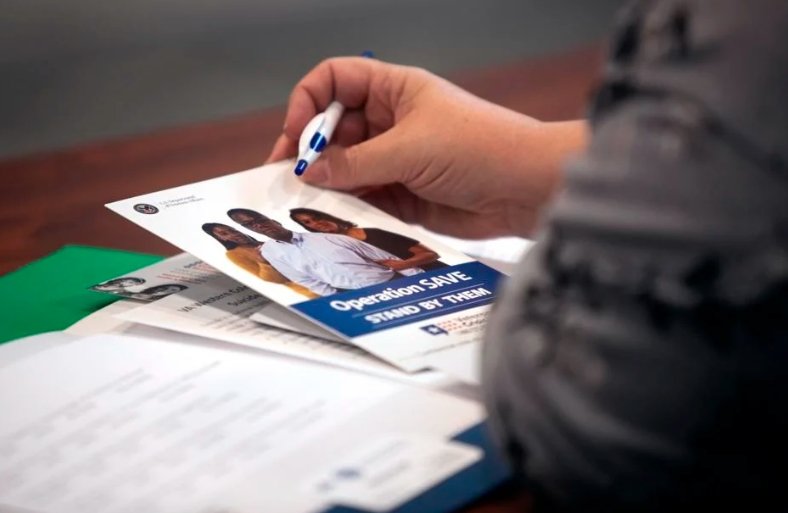
Gun Safety: Creating Time and Space
An important focus of the seminar was firearm safety—an especially relevant topic given the high rates of suicide involving firearms among veterans.
“Our veterans are highly trained in the use of firearms,” said Cameron Patterson, Community Engagement & Partnership Coordinator for the VA’s Suicide Prevention Program. “If we can introduce time and space—using something as simple as a cable gun lock or storing ammunition separately from firearms—that small pause can be the difference between life and death.”
By delaying access to a lethal means in a moment of crisis, these safety tools can prevent impulsive decisions.
Communicating Directly Saves Lives
Patterson also emphasized the importance of open, direct conversations when mental health concerns arise.
“In my experience of working with veterans, they appreciate straightforward communication,” he said. “Ask the hard questions: Are you thinking about killing yourself? Are you thinking about taking your life? It’s blunt, but that’s often the approach our veterans respect.”
Seminar attendees were encouraged to practice this style of communication and to not shy away from difficult discussions that could ultimately save a life.
More Resources, More Conversations
Chaplain Mikaelsen closed the seminar by reminding attendees that support is always available. She urged anyone in crisis—or concerned about someone who might be—to call 988, the national Suicide and Crisis Lifeline.
Looking ahead, Mikaelsen announced plans for more seminars throughout the year, each designed to help communities better understand the signs of crisis and how to connect people with life-saving resources.











SpaceX Moon Factories Aim to Break Earth’s AI Limits

Ford Places Its $30K Fathom Bet on a New Production Era

Michigan Ends Lettuce Warning After Record Cyclosporiasis Wave

China’s Capital Goods Surge Locks Factories Worldwide Into Its Supply

Google Hands Day-to-Day AI Control to Brin Circle as Hassabis Steps Up

July Jobs Report Risks Hiding Deeper Labor Softness Ahead

Amazon CVS Walmart Turn $50 Medicare GLP-1 Bridge Into Scale

SpaceX Shares Rise on First Unlock as Float Multiplies Ahead

Trump Polysilicon Floors Crown US Plants Over China Supply

Powerball Hits $856 Million as UK Expansion Fuels Faster Climb

Doom Studio id Software Cuts Half Its Staff in Xbox Layoffs

Nintendo Switch Online Adds Four Classics and One Japan-Only Title

Meta’s Muse Image Lets Anyone Use Your Instagram Photos in AI

Pink Bearista Cup Returns July 13 as Starbucks Pink Vibes Drops

Samsung Sets Galaxy Unpacked for July 22 in London With a Wider Fold

Marine Cloud Brightening Could Weaken Super El Niños, Study Says

US Trade Deficit Jumps to 14-Month High as AI Spending Lifts Imports

Micron Stock Just Entered a Bear Market. Is It Time to Buy?

Samsung’s $1,230 Galaxy Unpacked Deal: How It Stacks Up

Meta Tests ‘Super Sensing’ AI Glasses That Record Every Moment
-

 TECHNOLOGY3 years ago
How to Adjust a Bulova Watch Band – An Easy Guide
-

 News3 years ago
Fred Pentland: Athletic Bilbao’s English mentor who changed the essence of Spanish football
-

 FINANCE3 years ago
Tax Planning for Every Season: Guide to Maximizing Your Tax Benefits
-

 Education3 years ago
African Ministers New Education Plan
-

 BUSINESS3 years ago
What is Entrepreneurial Operating System? A Comprehensive Guide to EOS
-

 Education3 years ago
Innovate Your Learning Journey with Technology and Enhance Education
-

 News3 years ago
Russians formally out of World Athletics Championships
-

 BUSINESS3 years ago
Top 9 Most Expensive American Cities to Rent an Apartment