
News
Mesa County Turns Old Asphalt Into Road Gold

Mesa County’s road crews are breathing new life into old pavement, using a smart and surprisingly simple method that’s saving taxpayers money and extending the life of local streets.
You might not think of asphalt when recycling comes to mind. Most people don’t. But in Mesa County, what used to be torn-up pavement is now a key ingredient in the area’s road maintenance playbook—and it’s proving to be both cost-effective and sustainable.
How Old Pavement Is Getting a Second Life
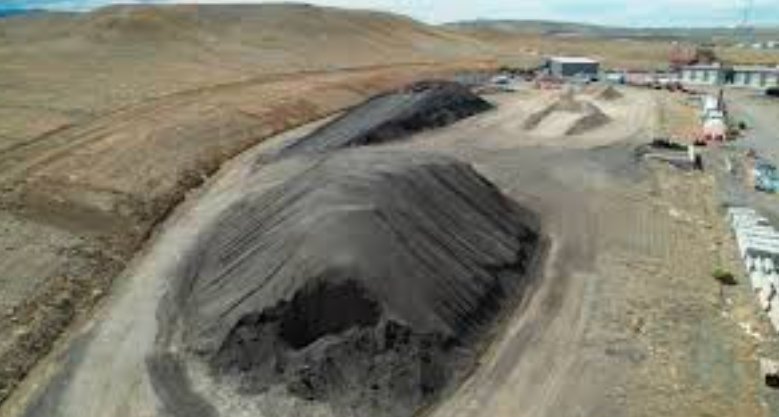
Every time Mesa County crews cut into roads for maintenance or repair, they end up with chunks of used asphalt. Rather than dump that material, it gets hauled to a facility, ground up, and prepped to be reused on future road projects.
“We’re not having to pay a supplier for this,” said Matt Nichols, Road Supervisor for Mesa County. “Taxpayers have already paid for it, so we can go put it out and save a dollar.”
That’s the essence of it. Instead of buying fresh materials, crews recycle what’s already been laid down. And it works just as well. The county now has a go-to stash of repurposed pavement ready to patch, seal, or resurface streets across the region.
Why It Matters to the Budget
Let’s face it—road work is expensive. Especially when you factor in labor, equipment, and the price of materials. Cold mix asphalt, often used in winter months, isn’t cheap either. By leaning on recycled material, Mesa County’s road department is slicing costs significantly.
Nichols explained how recycled asphalt stacks up:
-
No purchase orders
-
No delivery charges
-
No waste
“We’re essentially tapping into something we already own,” he added.
With tighter public budgets and rising material costs, this approach is a practical solution that other counties might want to steal.
Recycling That Actually Works
This isn’t a flashy new tech. It’s just basic recycling that delivers real results. The county collects the old asphalt, sends it through grinders, and stores the fresh aggregate at a site in Whitewater. From there, it’s deployed as needed.
Crews say the material holds up well for smaller repair jobs and patchwork. For larger projects, they may still rely on traditional suppliers. But for keeping potholes in check and sealing cracks before winter sets in, recycled asphalt gets the job done.
And it’s not just for county crews.
One-sentence paragraph here.
Got Extra Asphalt? The County Wants It
Contractors and even homeowners can contribute to the pile too. If you’ve got leftover asphalt from a private project, the county’s yard in Whitewater will take it—no charge. Just give them a heads-up first.
“We’re happy to take it off your hands,” Nichols said. “It helps us and helps you.”
This little-known invitation could make a big difference. Instead of tossing usable material in landfills or paying disposal fees, locals now have a greener and more affordable option.
Where This Fits in the Big Picture
Mesa County’s approach isn’t unique, but it’s gaining traction at a time when communities are searching for budget-friendly ways to maintain infrastructure. Asphalt is actually one of the most recycled materials in the U.S.—more than plastic, paper, or glass by weight.
Here’s a quick look:
| Material | U.S. Recycled Amount (Annual) | Recycling Rate |
|---|---|---|
| Asphalt (pavement) | 80+ million tons | 99% |
| Paper | 46 million tons | 66% |
| Plastic | 3 million tons | 8% |
| Glass | 3 million tons | 31% |
That 99% recycling rate for asphalt isn’t a fluke. It’s because the material can be endlessly reused without losing integrity. It’s tough, flexible, and easy to work with.
A Simple Win in Road Maintenance
Some stories about infrastructure feel complicated. This one doesn’t. Mesa County’s recycling effort is simple, practical, and already delivering results without extra red tape or costly programs.
One-sentence paragraph again.
In a time when every public dollar is under a microscope, saving on road repairs while doing right by the environment feels like a rare double win. Nichols summed it up best: “Why waste what we’ve already paid for?”










OpenAI Says Apple’s Trade Secret Lawsuit Lacks Any Merit

Lucid’s Bankruptcy Denial Can’t Quiet Wall Street’s Doubts

IBM Stock Suffers Its Worst Trading Day Since the 1987 Crash

Cheap Chinese AI Models Are Undercutting Anthropic and OpenAI

ASML’s AI Chip Forecast Lifts Futures, Deepens Market’s Big Bet

SK Hynix’s Nasdaq Shares Race Ahead of Seoul by Up to 51%

Meta Workers Sue Over AI Layoffs That Targeted Medical Leave

Taco Bell Pulls Lettuce as Michigan Cyclosporiasis Cases Top 3,300

PayPal’s Five-Year Slide Makes It a $53 Billion Target for Stripe

Mega Millions Jackpot Hits $672 Million, but Taxes Claim Nearly Half

Halo Studios Reverses PS Plus for Halo: Campaign Evolved on PS5

Black Ops 1 and 2 PS5 Ports: $40 Price Tag Has Fans Uneasy

Matt Brown Dismisses Rousey and Paul’s MVP MMA Ratings Win Over UFC

Star Wars: Galactic Racer Is a Roguelite Racer With a Podracing Skin

Julius Randle Traded to Nets as Wolves Reclaim Cap Space for Dosunmu

Sega’s $49.99 Sonic Classic and Modern Bundles Hit Switch in October

Colombia Edge DR Congo as Muñoz Books World Cup Knockout Place

Douze Dixièmes Closes Five Months After MIO: Memories in Orbit

Warriors Take Yaxel Lendeborg, the Oldest Pick in the 2026 NBA Draft

Meta’s Muse Image Lets Anyone Use Your Instagram Photos in AI
-

 TECHNOLOGY3 years ago
How to Adjust a Bulova Watch Band – An Easy Guide
-

 News3 years ago
Fred Pentland: Athletic Bilbao’s English mentor who changed the essence of Spanish football
-

 FINANCE3 years ago
Tax Planning for Every Season: Guide to Maximizing Your Tax Benefits
-

 Education3 years ago
African Ministers New Education Plan
-

 BUSINESS3 years ago
What is Entrepreneurial Operating System? A Comprehensive Guide to EOS
-

 Education3 years ago
Innovate Your Learning Journey with Technology and Enhance Education
-

 News3 years ago
Russians formally out of World Athletics Championships
-

 BUSINESS3 years ago
Top 9 Most Expensive American Cities to Rent an Apartment