
News
First-Time Moms in Mesa County Get Lifeline Through Nurse-Family Partnership

Becoming a mom for the first time is overwhelming enough. Add in limited income, a lack of support, or confusing medical advice—and it can feel like you’re being thrown into the deep end without a lifejacket.
That’s where the Nurse-Family Partnership steps in.
This under-the-radar program from Mesa County Public Health is doing something quietly radical: pairing first-time moms with registered nurses who stick with them from pregnancy through toddlerhood. And right now, it’s helping more than 200 local families navigate the mess, magic, and mystery of becoming parents.
Not just medical advice—emotional backup, too
The program kicks off during pregnancy, and it’s not just about prenatal vitamins and doctor’s appointments.
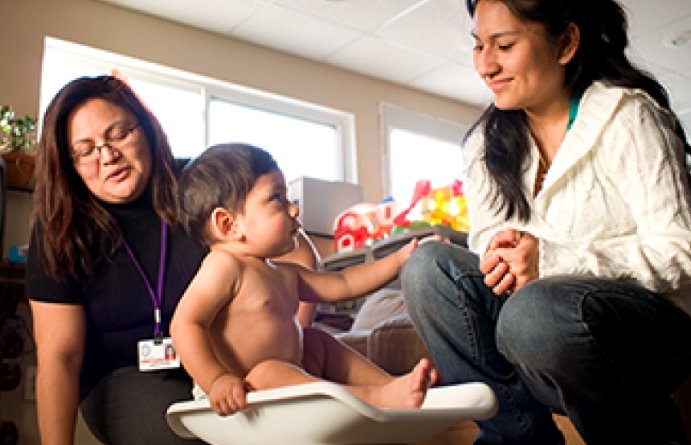
Registered nurses—like Melanie Duyvejonck, who’s been on the front lines—go into homes, not clinics. They meet moms where they are, literally and emotionally. And they stay with them until their child turns two.
“We’re not here to judge or tell you what to do,” Duyvejonck says. “We’re here to walk alongside you.”
Sometimes, that means helping a mom figure out safe sleep techniques. Other times, it means sitting on the floor while she cries about how hard breastfeeding is.
Yep. It gets real.
Just one sentence here: sometimes support looks like information, and other times it’s just someone saying, “You’re doing great.”
Why two years? Because parenting doesn’t stop at birth
So many programs help you during pregnancy and then disappear the second your baby’s born.
Not this one.
The Nurse-Family Partnership sticks around until the child hits their second birthday—and that’s no accident. Research shows the first two years are a make-or-break time for brain development, emotional bonding, and health outcomes.
And for first-time moms? That’s when the most questions come flying in.
• When should I introduce solid food?
• Why isn’t my baby sleeping?
• Is this diaper rash normal?
• Am I normal?
The nurses aren’t just baby experts. They’re connectors. They link families to pediatricians, mental health resources, WIC, early education programs—whatever’s needed.
And they do it all without acting like know-it-alls.
A little-known program with big results
It might not be flashy. There are no billboards or Instagram campaigns.
But the impact? It’s massive.
According to Mesa County Public Health, more than 200 families are enrolled right now. Most are low-income. Many are young. Some are immigrants, or facing housing insecurity. A few are teenagers who’ve never held a baby before their own.
And still—they’re not alone.
The data backs it up, too. National studies of Nurse-Family Partnership programs (it’s a national model, not just local) have found:
| Outcome | Impact Estimate |
|---|---|
| Fewer preterm births | 18% reduction |
| Improved breastfeeding rates | Over 60% initiate breastfeeding |
| Increased maternal employment | Higher likelihood of working by child age 2 |
| Fewer ER visits for children | Up to 50% fewer emergency trips |
That’s not just helping families—it’s saving public money.
Moms say it feels less like a program, more like a lifeline
Duyvejonck says the most meaningful part of her job isn’t handing out pamphlets—it’s seeing moms step into their own confidence.
“You can see the transformation,” she says. “They go from terrified and unsure to saying, ‘I’ve got this.’”
She recalls one young mom who was living in a motel room when they first met. She didn’t know how to access healthcare, didn’t have a car, didn’t even have a crib. Over the next two years, that nurse helped her apply for Medicaid, find housing, and eventually, land a job.
Now? She’s raising a happy, healthy toddler and thinking about going back to school.
That kind of story isn’t rare in this program. It’s the point.
One-sentence paragraph here: success isn’t about perfection—it’s about support.
Want to enroll? Here’s what to know
You can’t just sign up online. The program focuses only on first-time moms, and enrollment usually starts during early pregnancy.
The nurses work through referrals from OB-GYNs, clinics, and community organizations. If you qualify, you’ll get a dedicated nurse who sticks with you through thick and thin.
Here’s a quick look at who’s eligible and what they get:
-
Eligibility: First-time pregnancy, Mesa County resident, income-qualified
-
Cost: Free (publicly funded)
-
Support Provided: Weekly or biweekly home visits, prenatal education, parenting coaching, mental health check-ins, referrals
-
Duration: Pregnancy through child’s second birthday
Even if you’re not sure whether you qualify, staff encourage people to ask their healthcare provider or contact Mesa County Public Health.
Why it works: Relationship over prescription
Here’s the real secret to the program’s success: it’s built on trust, not lectures.
The same nurse sees the same mom over and over again. That consistency allows space for honesty, vulnerability, and real growth.
“It’s about building a relationship,” says Duyvejonck. “Sometimes I’m the only person she feels she can be real with.”
And in a world that often treats struggling mothers as statistics, that kind of connection matters more than most people realize.











Spotify Running Mode hits Android and revives its old tempo experiment

Galaxy Tab S12 Ultra Renders Keep the Notch Fans Hate

Novato Spinning Round House Sells With Six Neighbors for $3.3 Million

Crop Tour Finds Indiana and Nebraska Corn Yields Lagging 2025

Best Buy 60th sale brings Android deals back to its roots

American Airlines reverses seatback screen bet years too late

Iran Hormuz Strikes Force Gulf Oil Onto Costlier Paths

Plague Tale Prequel Day One Joins Game Pass Wave 2 as Witcher Exits

NBA 2K27 opens The City to everyone and rewrites career eras

iOS 26.6.1 Patches 29 Flaws as AI Forces Faster Apple Updates

Double Fine Cuts 23 Jobs Weeks After Xbox Independence

Day-One Big Walk Lifts PS Plus August Beyond Recycled AAA

John Hight Exits Wizards After Digital Reckoning Hits

Curtis Mead’s Red Sox Debut Ends With Fractured Wrist

Moesch and Dressel Rewrite Night One at 2026 U.S. Nationals

Red Sox Squander Hot Streak Chance in 4-3 Loss to Athletics

Boutte’s Quiet Camp Takeover Forces Patriots Receiver Choices

Take-Two CEO Pushes Netflix Subs for GTA 6 Extended Look

Halo Campaign Evolved Skulls Meet Death Barriers That Kill the Hunt

Wildlands Free Update Hands Players the Tools They Already Invented
-

 TECHNOLOGY3 years ago
How to Adjust a Bulova Watch Band – An Easy Guide
-

 News3 years ago
Fred Pentland: Athletic Bilbao’s English mentor who changed the essence of Spanish football
-

 FINANCE3 years ago
Tax Planning for Every Season: Guide to Maximizing Your Tax Benefits
-

 Education3 years ago
African Ministers New Education Plan
-

 BUSINESS3 years ago
What is Entrepreneurial Operating System? A Comprehensive Guide to EOS
-

 Education3 years ago
Innovate Your Learning Journey with Technology and Enhance Education
-

 BUSINESS3 years ago
Top 9 Most Expensive American Cities to Rent an Apartment
-

 News3 years ago
Russians formally out of World Athletics Championships