
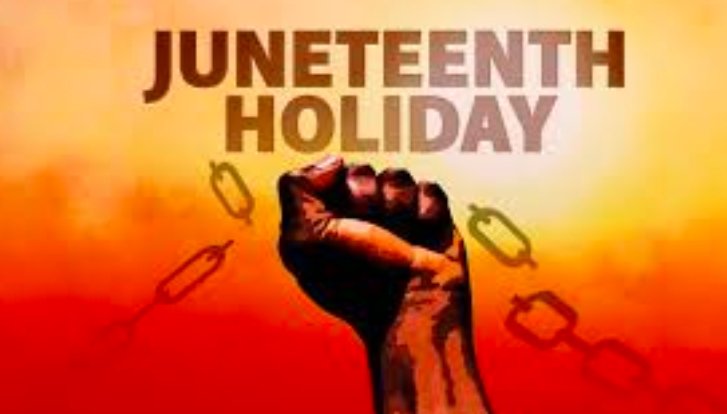
Most city and county government services in Fort Wayne and across Allen County will shut down this Thursday in honor of Juneteenth. It’s a move that reflects a growing nationwide trend of officially recognizing the day that commemorates the end of slavery in the United States.
Normal business operations are expected to resume on Friday, but some key services will see temporary schedule changes to account for the midweek holiday.
What’s Open, What’s Not: Key Closures Across the County
Thursday won’t be business as usual for most government offices.
Nearly all city and county administrative departments will close their doors for the day. Offices like the city clerk, tax assessor, and public records will remain offline until Friday morning.
Still, some essential operations will carry on uninterrupted. Here’s a quick breakdown:
-
Closed:
-
City and County Administration Offices
-
Building and Planning Departments
-
Public Libraries (in some districts)
-
Clerk of Courts (non-emergency)
-
-
Open:
-
Allen County Sheriff’s Department
-
Community Corrections
-
Juvenile Center
-
Youth Services Center
-
County Highway Department
-
Essential departments that run 24/7 will maintain regular staffing levels, ensuring law enforcement and emergency response remain unaffected.
Trash and Recycling Pickups Delayed by a Day
For those expecting their garbage or recycling picked up Thursday—hold off.
Due to the Juneteenth closure, all scheduled waste collections for Thursday will shift to Friday. Friday pickups, in turn, will now happen Saturday.
That one-day lag could mean full bins sitting out longer than usual, so residents are encouraged to secure their containers to avoid wind-blown messes or neighborhood critter visits.
Just one sentence here.
City officials say the schedule adjustment helps sanitation workers observe the holiday without disrupting weekly service.
Why Juneteenth Is Now on the Official Calendar
Juneteenth has been celebrated for generations, but it wasn’t until 2021 that it became a federal holiday. Now, cities like Fort Wayne are continuing the momentum by embedding the date into their annual civic calendars.
The holiday marks June 19, 1865—when Union soldiers arrived in Galveston, Texas, with news that slavery had been abolished, more than two years after the Emancipation Proclamation.
Locally, Juneteenth has been embraced as an opportunity for public reflection, celebration, and education. Fort Wayne has seen increasing participation in recent years, from parades and cookouts to panel discussions and art events.
“Recognizing Juneteenth is an important step in honoring Black history and the ongoing work for equality,” said a city official during last year’s commemoration. “It’s about giving space for truth and celebration.”
What to Expect Around the City on Juneteenth
Thursday might feel quieter in terms of government activity, but expect a different kind of buzz elsewhere.
Several local events are scheduled throughout Fort Wayne, including community cookouts, musical performances, and heritage exhibits. Some churches and cultural centers will host family-friendly gatherings throughout the day.
One local group has planned an open-mic storytelling session on the south side. Another has partnered with local artists to install a temporary mural celebrating freedom and resilience.
Not everything will be closed—parks, recreational areas, and many local businesses will remain open.
That means:
-
You can still visit public parks and trails.
-
City buses are expected to run normal weekday schedules.
-
Most shopping centers will be open, though some may adjust hours.
Looking Ahead: Could More Closures Be Coming in Future Years?
As Juneteenth becomes more widely acknowledged, more institutions are evaluating how they mark the day.
Some school districts have already added Juneteenth to their official holiday lists. Corporations are starting to give the day off. And in Indiana, more towns are weighing whether to follow Fort Wayne and Allen County’s lead.
It’s not just about symbolism. Many community leaders say recognizing Juneteenth with full closures signals a deeper respect for the cultural and historical weight the day carries.