
News
Biking Community Pushes Back on Proposed Land Sale Bill in Colorado

A new bill in the works could shift the balance between outdoor recreation and real estate in Grand Junction, and it’s already got the biking world on edge.
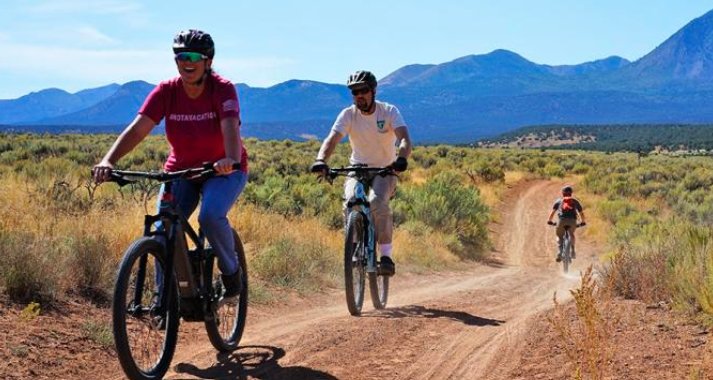
Mountain bikers, trail lovers, and local bike shop owners are sounding the alarm over the “One Big Beautiful Bill Act,” a proposed measure that would allow portions of federally managed land—including BLM acreage—to be sold off for private development. While aimed at addressing Colorado’s housing crunch, critics fear the move could gut public trail access and derail a thriving outdoor tourism economy.
Trails Could Be Traded for Townhomes
The legislation hasn’t passed yet, but even the possibility is enough to rattle riders.
That’s because many of the trails that make Grand Junction a mountain biking magnet run through federal land. If those parcels are sold off, access to riding routes could disappear overnight.
And that’s no small deal.
“We’re not just talking about a couple of backcountry paths,” said Ash Jordan, co-owner of The Bike Shop. “We’re talking about the backbone of an entire industry.”
One short sentence here.
According to Jordan, Grand Valley’s 14 bike shops would not exist without the public land trails that draw cyclists from across the country—and the globe.
The Ripple Effect Could Hit More Than Just Bike Tires
Jordan believes the bill, if passed, could have far-reaching effects.
“This isn’t just about bikes,” he said. “It’s about restaurants, hotels, gas stations—any business that benefits from tourism.”
In the warmer months, especially spring and summer, cyclists flood the valley. Some come for races. Others show up to explore the legendary desert terrain. All of them spend money.
And with the current trail system intertwined with federal lands, cutting off even a portion could start a domino effect. Bike rentals would drop. Guided tours would shrink. Maintenance crews would get laid off. That’s just the beginning.
• Fewer trails = fewer visitors
• Fewer visitors = weaker sales across multiple sectors
• Weaker sales = job losses, business closures, less tax revenue
“It’s not just my shop that would suffer,” Jordan added. “We’re talking about a much bigger hit to the local economy.”
Public Land, Private Profit?
Supporters of the bill argue it’s a necessary step to combat Colorado’s housing shortage, which has driven prices up and limited availability—especially in growing areas like Grand Junction.
And yes, new development could ease some of that strain.
But opponents say it’s a shortsighted fix.
“What you gain in new houses, you lose in open space,” said one local trail user, who didn’t want to be named. “And once it’s gone, it’s not coming back.”
There’s also concern about transparency. Critics point out that the bill’s language doesn’t clearly define which tracts of land are being considered. That’s left many in the outdoor community unsure whether their favorite trails could vanish.
One-sentence paragraph here.
That uncertainty alone has been enough to stir public backlash.
Trails Bring More Than Just Thrills
There’s a cultural element too.
Outdoor access is a core part of life in Grand Junction. For locals, riding trails isn’t just a hobby—it’s part of the daily rhythm. Families ride together. Teens train for competitions. Retirees explore new paths.
And for businesses, that community spirit translates directly into revenue.
One shop owner likened the loss of trail access to “closing a ski mountain in Vail.”
“The people who ride here don’t just ride once and leave,” Jordan said. “They come back. They bring friends. They spend money in town. You take that away, and it all changes.”
Looking Ahead: A Plea to Lawmakers
As of now, the trails remain open. But tension is rising.
Jordan and others in the industry hope lawmakers will slow down and consider the bigger picture.
“Please take into consideration that there’s an entire industry that depends on public lands throughout the western U.S.,” he said. “It’s not just Grand Junction. This would send a message everywhere.”
That message? That recreation, tourism, and local culture might be traded for short-term fixes.
Jordan isn’t alone in hoping the state doesn’t go down that trail.










Mortgage Rates Climb to an 11-Month High, and Buyers Retreat Fast

FCC Sets August 6 Vote to Erase the 39% TV Ownership Cap

Netflix Heads Into Earnings With Its 2022 Playbook Already Spent

China’s Economy Grows Just 4.3% as Exports Boom and Households Retreat

United Airlines Beats Earnings Estimates Despite $6 Billion Fuel Hit

California’s Plastic Packaging Law Draws Fire From Every Side

xAI Sues a Grok User for CSAM Deepfakes It Struggled to Stop

US Stocks Edge Within 0.5% of a Record as Oil Climbs on War

BlackRock’s Private Markets Bet Pays Off With a Record $15 Trillion in Assets

Kalshi Traders See 93% Odds Gas Tops $4 as Iran Strikes Return

Halo Studios Reverses PS Plus for Halo: Campaign Evolved on PS5

Black Ops 1 and 2 PS5 Ports: $40 Price Tag Has Fans Uneasy

Matt Brown Dismisses Rousey and Paul’s MVP MMA Ratings Win Over UFC

Star Wars: Galactic Racer Is a Roguelite Racer With a Podracing Skin

Julius Randle Traded to Nets as Wolves Reclaim Cap Space for Dosunmu

Sega’s $49.99 Sonic Classic and Modern Bundles Hit Switch in October

Colombia Edge DR Congo as Muñoz Books World Cup Knockout Place

Douze Dixièmes Closes Five Months After MIO: Memories in Orbit

Warriors Take Yaxel Lendeborg, the Oldest Pick in the 2026 NBA Draft

Meta’s Muse Image Lets Anyone Use Your Instagram Photos in AI
-

 TECHNOLOGY3 years ago
How to Adjust a Bulova Watch Band – An Easy Guide
-

 News3 years ago
Fred Pentland: Athletic Bilbao’s English mentor who changed the essence of Spanish football
-

 FINANCE3 years ago
Tax Planning for Every Season: Guide to Maximizing Your Tax Benefits
-

 Education3 years ago
African Ministers New Education Plan
-

 BUSINESS3 years ago
What is Entrepreneurial Operating System? A Comprehensive Guide to EOS
-

 Education3 years ago
Innovate Your Learning Journey with Technology and Enhance Education
-

 News3 years ago
Russians formally out of World Athletics Championships
-

 BUSINESS3 years ago
Top 9 Most Expensive American Cities to Rent an Apartment