
News
Body Recovered From Harvey Gap Reservoir After Paddleboard Tragedy

A man went out for a paddle at Harvey Gap Reservoir and never made it home. What began as a simple day by the water has ended in tragedy, with Colorado Parks and Wildlife confirming the recovery of his body early Sunday morning.
It’s the kind of news no family wants. A quiet Saturday, a man out enjoying the lake, and then—silence. By the time his paddleboard was found, the air had shifted. No longer a rescue, but a recovery.
Hours Passed, Then Worry Set In
The alarm wasn’t immediate. The man’s family didn’t raise concerns right away. But when more than three hours passed without a word, worry turned into action.
Family members flagged down CPW officers at Harvey Gap State Park late on Saturday, June 21. They hadn’t seen him in hours. Something felt off.
Search teams quickly began piecing together what little they had. A paddleboard was found left on the shore—alone, untouched. No gear, no shoes, no phone. Just that board, resting still against the sand.
At that point, officers feared the worst.
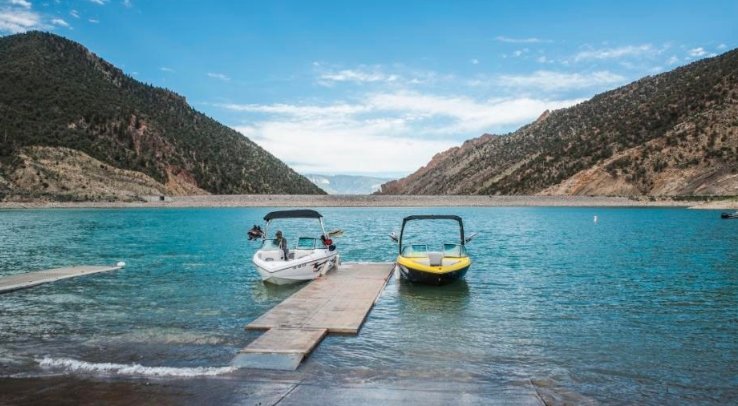
Prohibited Swim Zone May Have Played a Role
Harvey Gap isn’t an anything-goes kind of lake. Swimming is only permitted in specific areas, and rangers are strict about it. CPW officials now believe the man likely entered the water in one of the prohibited zones—an area where depth, underwater terrain, or boat traffic may pose hidden dangers.
“We think he was paddleboarding and went for a swim,” said one officer at the scene. “But it was an area that’s marked as no swimming. We’re not sure why he entered the water there.”
That detail adds another painful layer to the loss. Just one wrong decision—one moment of misjudgment.
Trained K-9 and Search Team Mobilized Quickly
Officers didn’t wait long. Within hours, a specialized K-9 team was called in from Garfield County Search and Rescue. These dogs are trained to detect human scent on water and land. It’s an eerie, precise skill—and one that proves grimly useful in situations like this.
The dog quickly began scouring the waterline, while a patrol boat ran sonar sweeps further out. Every passing minute chipped away at hope.
Then the tone shifted.
Due to the time he had been missing in the water, CPW confirmed they were transitioning from a search-and-rescue operation to a recovery effort. The words stung, but they were necessary. It meant they no longer believed he was alive.
MERT Team Called From Littleton
When it became clear this was a recovery, CPW called in the Marine Evidence Recovery Team (MERT). This elite dive team specializes in underwater evidence and body recoveries across Colorado’s waterways.
They arrived just after 4:30 a.m. on Sunday.
By 6:30 a.m., the man’s body had been located.
Park Manager Brian Palcer offered a heartfelt message to the man’s family:
“This is a heartbreaking tragedy, and we send our deepest sympathies to the family of this victim. We hope that this recovery will bring a little comfort to the family and friends as they mourn the loss of their loved one.”
It was quiet at the reservoir that morning. Too quiet.
Drownings in Colorado Waterways on the Rise
Colorado has seen an uptick in water-related deaths over the past few years, especially in lakes, reservoirs, and rivers. CPW reported 32 water-related fatalities in 2023—an all-time high for the state. Early 2025 numbers suggest this year could match or exceed that grim total.
Here’s a quick snapshot of recent fatality trends in Colorado’s lakes:
| Year | Total Water-Related Deaths | Harvey Gap Incidents |
|---|---|---|
| 2021 | 20 | 0 |
| 2022 | 27 | 1 |
| 2023 | 32 | 2 |
| 2024 | 29 | 0 |
| 2025* | 11 | 1 |
(*as of June 22)
The state’s beautiful, often chilly, alpine-fed waters carry hidden risks: unpredictable currents, drop-offs, and submerged hazards are common.
What Comes Next?
The victim’s identity has not yet been publicly released. The Garfield County Coroner has taken custody of the body to determine the official cause of death.
Officers say there were no signs of foul play, and no evidence suggesting the involvement of drugs or alcohol—though toxicology reports will likely follow.
For now, CPW is reminding the public of the importance of obeying swim restrictions, wearing personal flotation devices (PFDs), and informing someone of your plans when heading out on the water.
One sentence from CPW’s post-mission statement sticks: “Every life lost on the water is one too many.”
Safety Reminders for Summer Visitors
While no policy can undo loss, CPW urges lake visitors to follow basic safety guidelines when near or on the water. These include:
-
Never swim in prohibited zones—even if the water looks calm.
-
Wear a life jacket at all times, especially while paddleboarding or kayaking.
-
Always tell someone where you’re going and how long you plan to be gone.
-
Stay sober—alcohol and swimming are a deadly mix.
-
Watch for sudden weather changes. Mountain lakes can turn dangerous fast.
Some of these rules may seem obvious. But as one officer bluntly put it, “It’s always obvious until it’s too late.”











Walmart’s $50 Million Opioid Settlement Closes Case Without Admission

California Sues Over $120 Million Morro Bay Wind Lease Buyout

Gilead Bixlenvo FDA Nod Opens Single Pill Path for Complex HIV Cases

Meta’s $18B Kids Deal Forever Shields Data Used to Spot Under-13s

Lettuce Outbreak Drove Record Cyclospora Spike Across 20 States

Amazon Shaves $20 Off M6 Mac Mini Before It Even Ships

SpaceX Louisiana Port Tests Debt Markets on Orbital AI Scale

Microsoft High Lifts Indexes as Small Caps Crack Support

Apple Replays 2015 Saturday Midnight Preorder for iPhone 18 Pro

Updated COVID Shots Clear FDA but Access Friction Hits High-Risk Groups

Take-Two CEO Pushes Netflix Subs for GTA 6 Extended Look

Wildlands Free Update Hands Players the Tools They Already Invented

Quake Gets 19 Free Maps From MachineGames Quake Club

Destiny 2 Fans Unlock Vaulted Maps After Live Service Ends

Quordle Monday Delivers Gavel Crush Speed Ethos Cleanly

Stripe Bid Shows PayPal Moat Cracked After Years of Slide

Tyson’s Five-Year Utah Plant Falls to Cattle Shortage Reckoning

Silver Lake Workday Talks Signal Private Floor for Software

Kennedy Lewis Takes Majority Control of The Greenbrier in $500M Deal

Best Buy Marks 60 Years With Sale That Echoes Its Audio Shop Roots
-

 TECHNOLOGY3 years ago
How to Adjust a Bulova Watch Band – An Easy Guide
-

 News3 years ago
Fred Pentland: Athletic Bilbao’s English mentor who changed the essence of Spanish football
-

 FINANCE3 years ago
Tax Planning for Every Season: Guide to Maximizing Your Tax Benefits
-

 Education3 years ago
African Ministers New Education Plan
-

 BUSINESS3 years ago
What is Entrepreneurial Operating System? A Comprehensive Guide to EOS
-

 Education3 years ago
Innovate Your Learning Journey with Technology and Enhance Education
-

 News3 years ago
Russians formally out of World Athletics Championships
-

 BUSINESS3 years ago
Top 9 Most Expensive American Cities to Rent an Apartment