
News
Fort Wayne Names New Leaders to Tackle Opioid Crisis, Youth Voices, and Mental Health

Three influential city panels get fresh appointments as Mayor Sharon Tucker sets her sights on long-term public health and civic engagement.
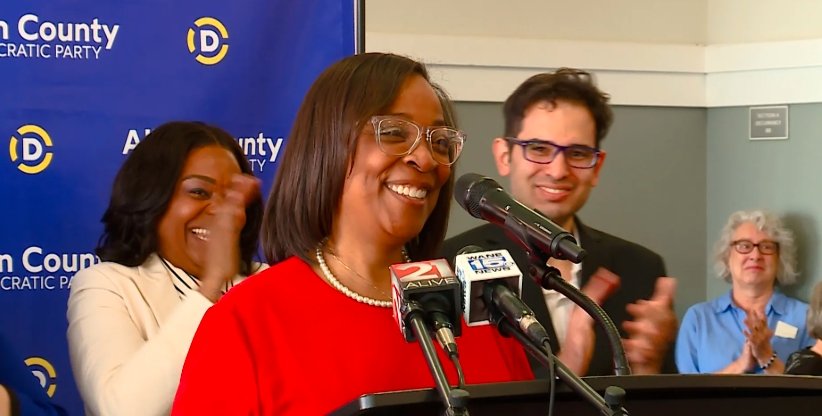
It was a Tuesday night that felt a little heavier than usual at Fort Wayne’s City Council chambers. Not because of debate or drama—but because of what was at stake. Mayor Sharon Tucker, along with city council members, unveiled new appointments to three major committees expected to influence everything from opioid crisis response to youth civic leadership.
Millions in opioid settlement money? Fort Wayne just decided who gets to weigh in
One of the most closely watched panels is the National Opioid Settlement Committee—tasked with overseeing how Fort Wayne uses its share of the national opioid settlement fund.
These aren’t small-time payouts. Settlement funds are expected to trickle in through 2038, a multi-million-dollar windfall meant to undo some of the damage caused by decades of overprescribing and under-regulating painkillers. But the money needs guidance, and the city now has a team in place to provide it.
The committee isn’t just about divvying up dollars. It’s also expected to make decisions around addiction education, community outreach, and overdose prevention programs.
So, who’s on the committee?
Mayor Tucker’s office announced the full list of appointees. It includes a mix of legal experts, healthcare professionals, and community organizers.
Here’s the full rundown:
-
Ewelina Connolly – CEO of Amani Family Services
-
Theresa Juillerat – Co-founder, Justice Accountability and Victim Advocacy
-
Rebecca Karcher – Communications Director, Trinity English Lutheran Church
-
Michelle Rowland – Pre-licensed mental health counselor
-
Judge Andrew L. Teel – U.S. Magistrate Judge
-
Pat Turner – HealthVisions Midwest Facilitator
-
Jayme Yates – Director of Community Engagement, Bowen Health
This diverse lineup is meant to offer insight from all sides of the opioid crisis—from trauma survivors and treatment professionals to the courts.
One city official said off-record, “We didn’t want just a table of bureaucrats. These are people who’ve been in the thick of it.”
The Mayor’s Mental Health Commission adds new voices
Fort Wayne’s Mental Health Commission also saw new appointments Tuesday night. This group, which works closely with service providers, law enforcement, and schools, is designed to break silos between agencies often working on the same issues without talking to each other.
New members include therapists, case managers, and one local high school teacher with firsthand experience supporting at-risk youth.
One member, speaking briefly after the announcement, said: “Mental health used to be whispered about. Now, we’re making it part of how our city functions.”
There’s also a push to use data more smartly—looking at hospitalization rates, suicide attempts, and ER usage to guide intervention strategies.
Not just old voices: Fort Wayne’s youth now have a seat at the table
While opioid addiction and mental illness are long-standing issues, the Mayor also spotlighted the future—specifically, young people who want a role in shaping it.
The new Mayor’s Young Adult Council is aimed at 18 to 25-year-olds, giving them a direct link to city leadership. Members will weigh in on local transit, climate action, tech access, and education equity.
One 19-year-old appointee, a Purdue Fort Wayne student, said: “We’re the ones inheriting the decisions. Might as well be in the room while they’re made.”
• The council will meet quarterly
• Members represent both college students and working young adults
• They’ll advise on policies, projects, and community outreach targeted at Gen Z
City officials hope this isn’t just symbolic. They want the council to be a place where young people feel ownership over real civic outcomes.
Different missions, one goal: Build a healthier city
Each of the three groups serves a different purpose, but there’s a clear throughline. The Mayor’s office is trying to build public infrastructure that isn’t just about roads and permits—it’s about people. Especially vulnerable ones.
And frankly, the stakes are high.
Opioid overdoses are still a major issue. According to the Indiana Department of Health, Allen County reported more than 90 opioid-related deaths in 2024—a number that’s stayed stubbornly consistent despite Narcan availability and awareness campaigns.
Meanwhile, youth mental health remains under strain. The CDC says emergency visits for mental health among teenagers jumped by 31% since 2019. Local officials say that’s mirrored in Fort Wayne schools.
There’s also a staffing crunch. Several mental health providers say they have waitlists months long, which city leaders say they’ll factor into planning through these committees.
What’s next? Quiet, behind-the-scenes work
These panels won’t be livestreamed. They won’t go viral. Most of their work will be done in back rooms, community halls, and spreadsheets.
But that doesn’t make it less important.
One council member said Tuesday, “This isn’t flashy. But it’s how change really happens.”
The appointees begin their terms this summer. Their first major updates to the public are expected in late fall.











Stripe Bid Shows PayPal Moat Cracked After Years of Slide

FDA Class I Tag Hits Finished Egg Recall Weeks Later

Berkshire’s Alphabet Surge Marks Abel’s Cash Deployment Shift

Aston Martin Bets 150 Valen V12s Will Print the Cash

Walmart Took Most of the Recalled Lettuce Behind Cyclospora Wave

Silver Lake Workday Talks Signal Private Floor for Software

Zuckerberg’s AI Letter Joins a Wave of Tech Manifestos

Pixel 11 Takes Battery Edge as Galaxy S26 Keeps the Power Lead

Trump Economy Faces Reckoning as Sentiment and Sales Slide

Apple’s 15% External Cut Still Faces Its Own Zero Admission

ZA/UM Lays Off 32 Staff as Zero Parades Wins Reviews, Not Players

EA’s New In-Game Ad Platform Skips the Games That Need It Most

Mortgage Rates Climb to 6.55%, the Highest Level in Nearly a Year

Colby Covington Stuns Tsarukyan as Askren Retires in Tears at RAF 11

Spain’s Diaspora-Rooted Squad Wins Over New York Ahead of the Final

NHL’s Monday Matinee Push Puts Capitals Fans on the Clock

DeChambeau’s Two-Shot Penalty Rewrites the Open’s Weekend Draw

Guardians Rout Twins With Seven Homers, Leave Joe Ryan One Shy of Record

England Beats France 6-4 to Claim World Cup Bronze Medal

Rainout Gives Red Sox Two Shots at a Franchise-Record Win Streak
-

 TECHNOLOGY3 years ago
How to Adjust a Bulova Watch Band – An Easy Guide
-

 News3 years ago
Fred Pentland: Athletic Bilbao’s English mentor who changed the essence of Spanish football
-

 FINANCE3 years ago
Tax Planning for Every Season: Guide to Maximizing Your Tax Benefits
-

 Education3 years ago
African Ministers New Education Plan
-

 BUSINESS3 years ago
What is Entrepreneurial Operating System? A Comprehensive Guide to EOS
-

 Education3 years ago
Innovate Your Learning Journey with Technology and Enhance Education
-

 News3 years ago
Russians formally out of World Athletics Championships
-

 BUSINESS3 years ago
Top 9 Most Expensive American Cities to Rent an Apartment