
News
Indiana’s New Environmental Mandate Sparks Debate Over Safety, Jobs, and Cost

Indiana’s push to trim “burdensome” environmental rules has some celebrating and others bracing for rollbacks that could hit rivers, air quality, and fish populations all over again.
The state’s environmental agency, IDEM, just flagged a handful of small rule changes to meet Gov. Mike Braun’s March executive orders. But local advocates say the move might reopen old wounds — or worse, bring back disasters long buried in Indiana’s past.
From Fish Kills to Fears of New Spills
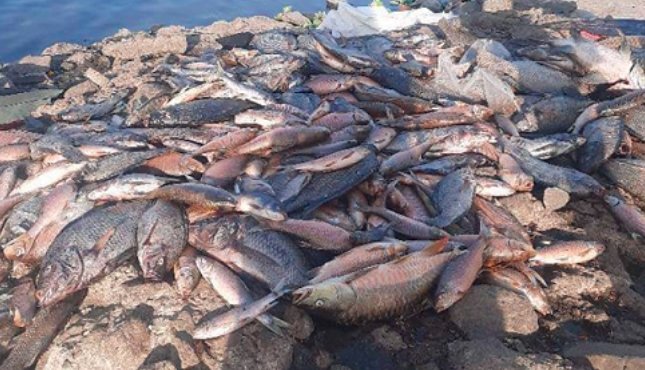
Sam Carpenter’s words cut deep. As head of the Hoosier Environmental Council, he’s seen what happens when rules get too loose. He points to a chemical spill back in 1999 that wiped out more than 4 million fish.
One sentence is enough to remind you how quickly things can go wrong.
Back then, tighter limits on thermal pollution came in to fix it. Now IDEM wants to “streamline” those rules for 14 facilities that still have to comply. Carpenter says that feels like rewriting history — with no real safety net if things go sideways.
The Executive Orders at the Heart of It
Governor Braun’s orders, signed in March, set off this review. They basically ask IDEM to cut any rules that feel costly or heavy-handed. One order goes after state rules that exceed federal standards. That second report’s not out yet.
The agency says it’ll keep following science. Their letter on July 1 says they’re focused on rules that make sense, not rules that weigh businesses down just for the sake of it.
IDEM Commissioner Clint Woods and General Counsel William Anthony signed off on the 17-page regulatory review. The vibe? We’ll tweak what we can, keep it legal, and work with the feds too.
Coal, Nuclear, and Clean Energy Crossroads
It’s not just water rules under the microscope. A stack of other orders could reshape Indiana’s energy path. Supporting coal and building up nuclear are both part of Braun’s plan.
David Van Gilder, who helps lead policy for the Hoosier Environmental Council, doesn’t pull punches.
One sentence: Coal is the dirtiest, most expensive form of energy, he says.
He wonders if power companies even want to keep coal plants open longer. “Would it be burdensome to keep open a coal plant you’d scheduled to close?” he asks. Good question. Utilities haven’t exactly lined up behind coal in recent years.
What Rules Are on the Chopping Block?
So, what are we actually talking about here? The new IDEM review pinpoints just a few possible rollbacks for now. The biggest is that thermal effluent piece.
The rest? Minor clarifications, mostly. But it’s the message that matters, say environmental advocates.
Here’s what IDEM says they’re eyeing so far:
-
Clarify or rescind outdated policies
-
Revisit water quality guidelines for certain discharges
-
Cut “uncertainty” for facilities waiting on approval
The agency insists none of this means ignoring public health. Still, some worry the squeeze is real.
Past Mistakes Loom Over Today’s Promises
Carpenter says rules aren’t written for fun. They’re there because something happened. A spill, a leak, a toxic mess — then lawmakers step in.
One-sentence reminder: Clean water rules exist because dirty water kills.
Some environmental groups are gearing up for pushback. Others say they’ll watch closely to see if the final changes really stay “minor.”
Industry Reaction: Good for Business, or Short-Term Win?
Business groups mostly applaud Braun’s orders. Fewer hoops to jump through, less paperwork, quicker approvals — all of that saves money.
But will it really help Indiana’s economy long term? Or just hand out short-term breaks at nature’s expense? That’s the million-dollar question.
Here’s a quick look at how this plays out for different players:
| Stakeholder | Possible Win | Possible Loss |
|---|---|---|
| Industrial Facilities | Lower costs, less red tape | More public scrutiny |
| Small Communities | Maybe jobs, maybe cuts in pollution fines | Risk of weaker protections |
| Environmental Advocates | Few, if any | Higher risk of spills, air and water issues |
| Energy Sector | Easier for coal and nuclear | Pushback on sustainability goals |
Not exactly simple, is it?
What Comes Next?
The next big moment will be the second IDEM report due later this year — the one that compares Indiana’s rules to federal standards. Until then, folks like Carpenter and Van Gilder say they’ll keep the spotlight on what’s really at stake: clean water, safe air, healthy communities.
One thing’s for sure. A few pages of “minor tweaks” might look harmless on paper. But for Hoosiers who’ve lived through fish kills and toxic plumes, memories run deep.










Spotify Running Mode hits Android and revives its old tempo experiment

Galaxy Tab S12 Ultra Renders Keep the Notch Fans Hate

Novato Spinning Round House Sells With Six Neighbors for $3.3 Million

Crop Tour Finds Indiana and Nebraska Corn Yields Lagging 2025

Best Buy 60th sale brings Android deals back to its roots

American Airlines reverses seatback screen bet years too late

Iran Hormuz Strikes Force Gulf Oil Onto Costlier Paths

Plague Tale Prequel Day One Joins Game Pass Wave 2 as Witcher Exits

NBA 2K27 opens The City to everyone and rewrites career eras

iOS 26.6.1 Patches 29 Flaws as AI Forces Faster Apple Updates

Double Fine Cuts 23 Jobs Weeks After Xbox Independence

Day-One Big Walk Lifts PS Plus August Beyond Recycled AAA

John Hight Exits Wizards After Digital Reckoning Hits

Curtis Mead’s Red Sox Debut Ends With Fractured Wrist

Moesch and Dressel Rewrite Night One at 2026 U.S. Nationals

Red Sox Squander Hot Streak Chance in 4-3 Loss to Athletics

Boutte’s Quiet Camp Takeover Forces Patriots Receiver Choices

Take-Two CEO Pushes Netflix Subs for GTA 6 Extended Look

Halo Campaign Evolved Skulls Meet Death Barriers That Kill the Hunt

Wildlands Free Update Hands Players the Tools They Already Invented
-

 TECHNOLOGY3 years ago
How to Adjust a Bulova Watch Band – An Easy Guide
-

 News3 years ago
Fred Pentland: Athletic Bilbao’s English mentor who changed the essence of Spanish football
-

 FINANCE3 years ago
Tax Planning for Every Season: Guide to Maximizing Your Tax Benefits
-

 Education3 years ago
African Ministers New Education Plan
-

 BUSINESS3 years ago
What is Entrepreneurial Operating System? A Comprehensive Guide to EOS
-

 Education3 years ago
Innovate Your Learning Journey with Technology and Enhance Education
-

 News3 years ago
Russians formally out of World Athletics Championships
-

 BUSINESS3 years ago
Top 9 Most Expensive American Cities to Rent an Apartment