
News
Grand Valley Transit Expands Fleet with Three New Buses to Boost Local Service

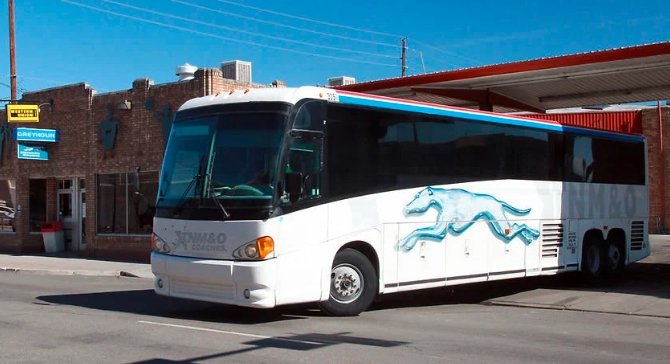
Grand Valley Transit riders can expect a smoother commute soon. With three new buses hitting the roads, the Western Slope’s transit system hopes to keep pace with growing demand and replace aging vehicles.
New Buses Mean More Seats and Better Accessibility
Each of the shiny additions can carry up to 56 passengers and comes equipped with two wheelchair spaces.
Two buses will swap out older models, keeping the fleet fresh. The third? That’s pure expansion to make sure routes stay on time — and riders stay happy.
“It’s a big deal for us,” one transit official said. “More buses mean fewer delays and more reliability for folks who depend on us.”
Funding Comes Through Local and Federal Partnership
So, who’s footing the bill? The total price tag for the trio is $2,115,975 — a hefty sum for a regional transit service.
But thanks to a grant from the Colorado Department of Transportation, 80% of the costs are covered by federal dollars.
The remaining 20% comes from the Grand Valley Regional Transportation Committee’s Intergovernmental Agreement.
Mesa County Commissioners gave the green light on June 24 during their public hearing.
For riders, it’s a big win that didn’t come out of nowhere — it’s been in the works for months.
What This Means for Daily Commuters
It’s not just shiny new seats and fresh paint. Riders in Grand Junction and beyond should see practical benefits.
• Shorter wait times
• Better wheelchair access
• Improved on-time performance
Two buses will replace older ones that have racked up the miles, cutting down on maintenance headaches.
The expansion bus helps meet demand as more people hop aboard to get to work, school, or appointments.
Grant Funding: A Lifeline for Regional Transit
Small regional transit systems like Grand Valley Transit rely heavily on state and federal funding to keep moving forward.
Without these grants, replacing buses often gets pushed down the priority list — even as ridership climbs.
A local match — budgeted and approved through the Intergovernmental Agreement — shows how important community buy-in is to keep wheels turning.
One sentence says it best: public transit only works when everyone chips in.
Riders React to the News
Regular riders are hopeful the new buses mean fewer breakdowns and less crowding.
“I take the bus every day to work,” said one commuter waiting at the Grand Junction transfer station. “Some of these old buses look like they’re gonna fall apart. New ones? Bring ’em on.”
The community sees reliable buses as more than just transportation — they’re a lifeline for seniors, students, and people with disabilities.










Redmi Battery Monsters Win the Week as Samsung Trims S27 Cameras

Moto G Max India Bet Puts 7000mAh Battery Ahead of Specs

Take-Two CEO Pushes Netflix Subs for GTA 6 Extended Look

Google Bets Tensor G6 Efficiency Fixes Pixel’s Old Flaws

Grok Image 2.0 Adds Pro Edits While Scandals Linger

Caviar Leather iPhone 18 Pro Editions Kill Wireless Charging for Status

Quordle Monday Delivers Gavel Crush Speed Ethos Cleanly

Goldmund Telos 9800 Mono Amp Costs More Than Most Ferraris

Gemini Plan Dropped the Race and Made Running Stick

Cloudflare Kitesurf Cracks Chromium Moat for AI Agents

ZA/UM Lays Off 32 Staff as Zero Parades Wins Reviews, Not Players

EA’s New In-Game Ad Platform Skips the Games That Need It Most

Mortgage Rates Climb to 6.55%, the Highest Level in Nearly a Year

Colby Covington Stuns Tsarukyan as Askren Retires in Tears at RAF 11

Netflix Heads Into Earnings With Its 2022 Playbook Already Spent

Spain’s Diaspora-Rooted Squad Wins Over New York Ahead of the Final

NHL’s Monday Matinee Push Puts Capitals Fans on the Clock

DeChambeau’s Two-Shot Penalty Rewrites the Open’s Weekend Draw

Guardians Rout Twins With Seven Homers, Leave Joe Ryan One Shy of Record

England Beats France 6-4 to Claim World Cup Bronze Medal
-

 TECHNOLOGY3 years ago
How to Adjust a Bulova Watch Band – An Easy Guide
-

 News3 years ago
Fred Pentland: Athletic Bilbao’s English mentor who changed the essence of Spanish football
-

 FINANCE3 years ago
Tax Planning for Every Season: Guide to Maximizing Your Tax Benefits
-

 Education3 years ago
African Ministers New Education Plan
-

 BUSINESS3 years ago
What is Entrepreneurial Operating System? A Comprehensive Guide to EOS
-

 Education3 years ago
Innovate Your Learning Journey with Technology and Enhance Education
-

 News3 years ago
Russians formally out of World Athletics Championships
-

 BUSINESS3 years ago
Top 9 Most Expensive American Cities to Rent an Apartment