
News
Zebra Mussels Confirmed in Colorado River, Raising Environmental and Infrastructure Fears

For the first time, Colorado Parks and Wildlife has officially declared parts of the Colorado River positive for zebra mussels — a tiny but troublesome invader that could spell big problems for ecosystems and local water systems alike.
From Microscopic Veligers to Major Headache
Officials say they found zebra mussel veligers — the microscopic larval stage — during intensive sampling near the Tibet Canyon stretch last year. Now, new samples confirm that the entire section from the Roaring Fork confluence to the Colorado-Utah border is impacted.
It’s a serious development. Rachael Gonzales, CPW’s Public Information Officer for the Northwest region, explained, “They’re fast producers and filter feeders. They eat up the good plants our native fish rely on.”
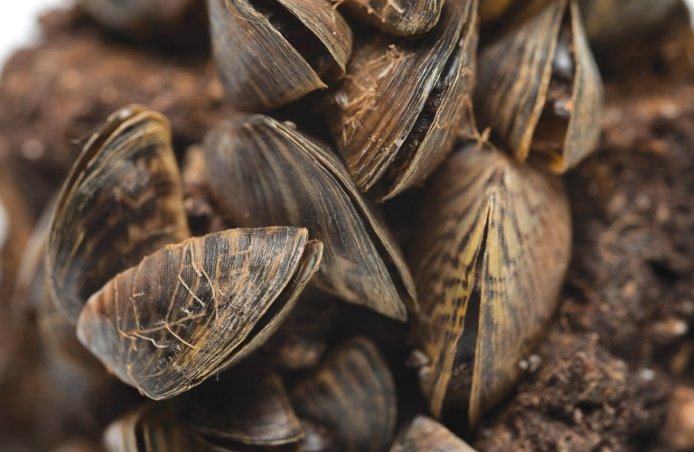
And while they haven’t spotted adults yet, it’s only a matter of time. Once these mussels mature, they clump together in dense colonies that are a nightmare for both natural habitats and human infrastructure.
How They Damage More Than Just Fish Habitats
Invasive species don’t stay put — they spread. And zebra mussels are especially notorious. For one, they clog up water systems by sticking to pipes, dams, and water intake structures. They prefer smooth, dark surfaces at about a 90-degree angle — making water infrastructure their ideal new home.
“When it comes to protecting our water infrastructure, they can build up over time and end up clogging the water structures,” Gonzales said. That means maintenance costs, water flow issues, and more headaches for cities and towns that rely on the Colorado River.
No Adults Yet — But The Clock’s Ticking
It’s almost eerie: so far, no adult zebra mussels have been found. But experts know they’ll come. Once they mature, the colonies will make themselves known — and they’re hard to get rid of once they’re in place.
Take a look at how they wreak havoc:
| Zebra Mussel Impacts | Details |
|---|---|
| Ecological Threat | Outcompete native species, ruin habitats |
| Infrastructure Cost | Clog pipes, dams, intake valves |
| Spread Risk | Hitch rides on boats and gear |
How Did They Get In? Still A Mystery
No one’s quite sure how zebra mussels found their way into this stretch of the river. But it’s likely linked to human movement — boats, gear, or even ballast water that wasn’t properly cleaned.
CPW says they’re investigating possible entry points. They’re also ramping up efforts to contain the spread before the mussels get a stronger foothold.
What Boaters And Anglers Need To Know
Right now, the best defense is vigilance. If you’re on the river, CPW wants you to be extra cautious:
-
Clean, drain, and dry your boats and gear before moving to other bodies of water.
-
Report any suspicious clusters to wildlife officers.
-
Stay updated on any new containment zones.
One slip-up — an unwashed kayak or bait bucket — could help these pests travel upstream or into new waterways.
A Long Battle Ahead
Colorado’s fight with zebra mussels isn’t new. But the Colorado River’s positive test changes the stakes. The river feeds millions of people, farmland, and countless species. Now, it’s got another invasive headache to contend with.
“Zebra mussels not only pose an impact to the environments… but also to our water infrastructure system,” Gonzales stressed. CPW plans to keep up increased monitoring, and residents should expect more outreach and stricter boat inspection measures in the coming months.
For now, it’s a waiting game — watching microscopic veligers grow into colonies that could cost Colorado millions if left unchecked.











Halo Campaign Evolved Skulls Meet Death Barriers That Kill the Hunt

Spotify Running Mode Returns After the 2015 Experiment Failed

Amazon AWS Hits Fastest Growth in Years as AI Spend Pays Off

Amazon Bets Platform Beats Models in the AI Race

Apple C2 Modem Edges Into iPhone 18 Pro After Qualcomm Drop

Google Earth Adds Nano Banana 2 to Reimagine Real Places

Apple Upgrade Turns Phones Into Monthly Utility Bills

Asha Sharma Bets Xbox Growth on Console and Four C’s

MacBook Ultra Design Follows Apple’s Familiar Cascade Path

TAG Heuer Carrera x Team Ikuzawa Revives 1970s Roadmaster Stopwatch DNA

Pokémon GO Developer Niantic Rebrands as Scopely Explore

Jaylen Brown Traded to 76ers for Paul George and Four Draft Picks

Doom Studio id Software Cuts Half Its Staff in Xbox Layoffs

Nintendo Switch Online Adds Four Classics and One Japan-Only Title

Jordan Henderson Hospitalized After Wrist Injury at the Azteca

Mexico’s World Cup Run Ends at Azteca as England Hold On 3-2

Meta’s Muse Image Lets Anyone Use Your Instagram Photos in AI

Louis Vuitton Beats Molly Tea in China, Triggers Cultural Backlash

Pink Bearista Cup Returns July 13 as Starbucks Pink Vibes Drops

Samsung Sets Galaxy Unpacked for July 22 in London With a Wider Fold
-

 TECHNOLOGY3 years ago
How to Adjust a Bulova Watch Band – An Easy Guide
-

 News3 years ago
Fred Pentland: Athletic Bilbao’s English mentor who changed the essence of Spanish football
-

 FINANCE3 years ago
Tax Planning for Every Season: Guide to Maximizing Your Tax Benefits
-

 Education3 years ago
African Ministers New Education Plan
-

 BUSINESS3 years ago
What is Entrepreneurial Operating System? A Comprehensive Guide to EOS
-

 Education3 years ago
Innovate Your Learning Journey with Technology and Enhance Education
-

 News3 years ago
Russians formally out of World Athletics Championships
-

 BUSINESS3 years ago
Top 9 Most Expensive American Cities to Rent an Apartment