
News
Scientists Say Our Tongues Can ‘Smell’ — Changing What We Know About Taste

Think your taste buds only handle salty, sweet, sour, and bitter? Think again. A new study says your tongue might be sniffing out flavors too — literally.
Tongue or Nose? Turns Out, Both!
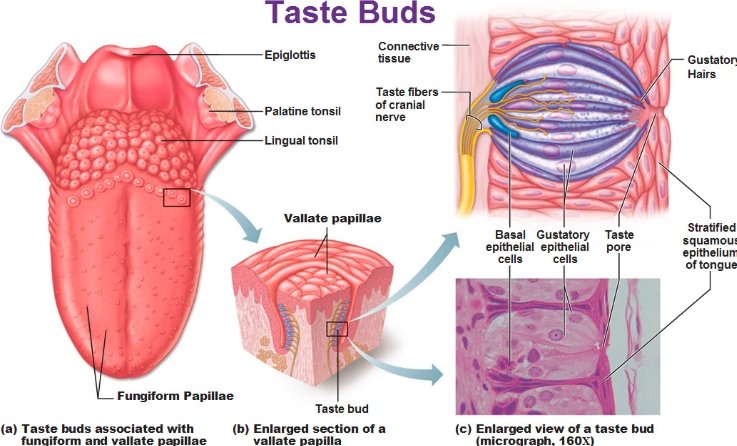
For ages, we’ve believed taste and smell team up after they reach your brain. That’s where the magic of flavor happens — or so we thought. But researchers at the Monell Chemical Senses Center in Philadelphia say it might actually start right on your tongue.
The surprising twist? Our tongues may have odor sensors — the same kind you’d expect up your nose. Mehmet Hakan Ozdener, a cell biologist who helped lead the study, says this discovery could reshape how we understand flavor.
One sentence: Basically, your tongue’s pulling double duty!
A Curious Kid Sparks New Science
Here’s the fun part: the whole idea came from a kid’s question. Ozdener’s 12-year-old son wondered if snakes stick out their tongues to smell stuff. Turns out, they do. Snakes use a special organ in the roof of their mouth — called the Jacobson’s organ — to pick up scents their sticky tongues collect.
Unlike snakes, humans were thought to keep taste and smell separate until the brain got involved. But this new research suggests we might have a tiny taste of snake-like smell detection too.
One line: It’s not as dramatic as flicking your tongue around — but it’s still wild!
What This Means for Our Food
So what does this mean for your pizza or your morning coffee? If taste and smell interact sooner than we thought, we might be able to tweak flavors at the source.
Imagine scientists developing food additives that smell a certain way to boost taste. Maybe one day we’ll use odor-based taste modifiers to make healthy food more satisfying — cutting down on sugar, salt, or fat without losing flavor.
-
Could help tackle diet-related diseases like obesity and diabetes.
-
Might open doors for new treatments for people who’ve lost their sense of smell or taste.
-
Could change how chefs, food companies, and even toothpaste makers craft their flavors!
Don’t Expect to Sniff Dinner with Your Tongue Just Yet
Before you try sticking out your tongue to catch aromas, hold up — it’s not that simple. Ozdener’s quick to clarify: you’re not about to “smell” a rose just by opening your mouth.
What’s happening is more microscopic than magical. These newly discovered odor receptors on our tongues could help explain why certain smells can change how something tastes — like how a whiff of vanilla makes sweet treats taste richer.
One line: It’s a subtle secret weapon, not a superpower.
One More Thing to Taste
Our senses are complicated, but they’re also beautifully connected. Ozdener and his team think this new insight could help millions of people enjoy food in new ways — and maybe even keep them healthier.
So next time you savor your favorite dish, remember: your tongue might be giving your nose a helping hand — or sniff.













Walmart’s $50 Million Opioid Settlement Closes Case Without Admission

California Sues Over $120 Million Morro Bay Wind Lease Buyout

Gilead Bixlenvo FDA Nod Opens Single Pill Path for Complex HIV Cases

Meta’s $18B Kids Deal Forever Shields Data Used to Spot Under-13s

Lettuce Outbreak Drove Record Cyclospora Spike Across 20 States

Amazon Shaves $20 Off M6 Mac Mini Before It Even Ships

SpaceX Louisiana Port Tests Debt Markets on Orbital AI Scale

Microsoft High Lifts Indexes as Small Caps Crack Support

Apple Replays 2015 Saturday Midnight Preorder for iPhone 18 Pro

Updated COVID Shots Clear FDA but Access Friction Hits High-Risk Groups

Take-Two CEO Pushes Netflix Subs for GTA 6 Extended Look

Wildlands Free Update Hands Players the Tools They Already Invented

Destiny 2 Fans Unlock Vaulted Maps After Live Service Ends

Quake Gets 19 Free Maps From MachineGames Quake Club

Quordle Monday Delivers Gavel Crush Speed Ethos Cleanly

Stripe Bid Shows PayPal Moat Cracked After Years of Slide

Tyson’s Five-Year Utah Plant Falls to Cattle Shortage Reckoning

Silver Lake Workday Talks Signal Private Floor for Software

Kennedy Lewis Takes Majority Control of The Greenbrier in $500M Deal

Best Buy Marks 60 Years With Sale That Echoes Its Audio Shop Roots
-

 TECHNOLOGY3 years ago
How to Adjust a Bulova Watch Band – An Easy Guide
-

 News3 years ago
Fred Pentland: Athletic Bilbao’s English mentor who changed the essence of Spanish football
-

 FINANCE3 years ago
Tax Planning for Every Season: Guide to Maximizing Your Tax Benefits
-

 Education3 years ago
African Ministers New Education Plan
-

 BUSINESS3 years ago
What is Entrepreneurial Operating System? A Comprehensive Guide to EOS
-

 Education3 years ago
Innovate Your Learning Journey with Technology and Enhance Education
-

 News3 years ago
Russians formally out of World Athletics Championships
-

 BUSINESS3 years ago
Top 9 Most Expensive American Cities to Rent an Apartment