
News
Mesa County Commissioners Weigh Legal, Financial Impact of Lawsuit Involving Sheriff’s Deputy

GRAND JUNCTION, Colo. — The Mesa County Board of Commissioners entered a closed-door executive session on July 31 to receive legal counsel regarding a high-profile lawsuit filed by the Colorado Attorney General — a case that could have financial consequences for the county.
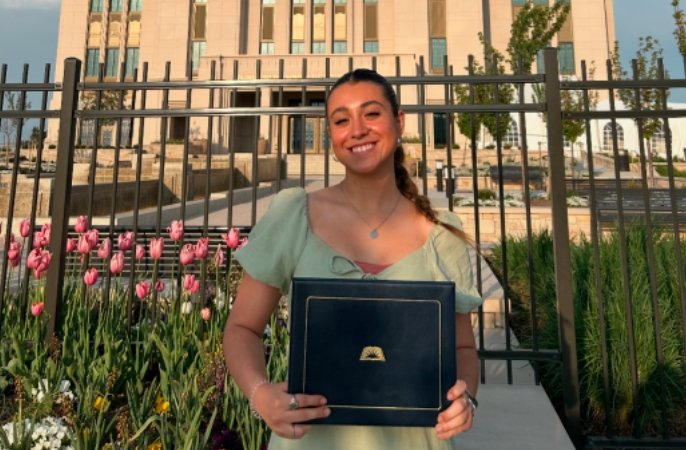
The legal discussion centers around Deputy Michael Zwink, who allegedly violated protocol during a traffic stop involving 19-year-old Caroline Goncalves, who was later detained by Immigration and Customs Enforcement (ICE). The Attorney General’s complaint raises questions not just of conduct, but also of potential civil rights violations and budget liability.
While the matter is being investigated at the state level, the Mesa County Sheriff’s Office recently concluded its internal review of the deputy’s actions. No disciplinary or legal actions have been announced by the county thus far.
Financial fallout could touch county budget
Although the lawsuit specifically names Deputy Zwink and relates to actions under the Sheriff’s Office, the county is not ignoring the broader consequences. Any settlement or court costs stemming from the suit could fall back on county taxpayers, especially if a court finds Mesa County liable for failing to train or supervise law enforcement officers adequately.
“The commissioners were briefed because the Attorney General’s complaint could carry financial implications that may ultimately affect the County’s budget,” said Stephanie Reecy, Public Affairs Director for Mesa County. “While the matter involves the sheriff’s office, any potential legal or fiscal impacts are relevant to the board of county commissioners in their role as the county’s budgetary authority.”
No decisions yet — but public hearings will follow
At this time, no formal actions have been taken by the commissioners. If they decide to move forward on any course of action — whether to provide legal defense, allocate funds, or pursue other steps — those decisions must be made in a public hearing, as required by law.
The executive session was strictly for receiving legal advice, which is permissible under Colorado’s open meetings laws, but no votes or decisions can be made behind closed doors.
The background: a traffic stop and ICE involvement
The controversy began when Deputy Zwink stopped Goncalves, a U.S. citizen and Mesa County resident, for an unspecified traffic violation. According to state filings, she was detained and then handed over to federal immigration authorities. Civil rights groups have raised concerns about racial profiling and the cooperation between local law enforcement and ICE in a sanctuary state.
The Attorney General’s office alleges the stop and handoff may have violated Colorado laws and individual rights, prompting the ongoing legal case.
What’s next?
-
The lawsuit is still in early stages, and any county involvement — financially or otherwise — depends on legal findings or negotiated outcomes.
-
Commissioners say they will make future discussions public if they need to act.
-
The public remains closely tuned to how Mesa County balances legal risk, law enforcement independence, and budget accountability.
No timeline has been given for the next steps, but both legal and community scrutiny appear likely to continue.











Spotify Running Mode hits Android and revives its old tempo experiment

Galaxy Tab S12 Ultra Renders Keep the Notch Fans Hate

Novato Spinning Round House Sells With Six Neighbors for $3.3 Million

Crop Tour Finds Indiana and Nebraska Corn Yields Lagging 2025

Best Buy 60th sale brings Android deals back to its roots

American Airlines reverses seatback screen bet years too late

Iran Hormuz Strikes Force Gulf Oil Onto Costlier Paths

Plague Tale Prequel Day One Joins Game Pass Wave 2 as Witcher Exits

NBA 2K27 opens The City to everyone and rewrites career eras

iOS 26.6.1 Patches 29 Flaws as AI Forces Faster Apple Updates

Double Fine Cuts 23 Jobs Weeks After Xbox Independence

Day-One Big Walk Lifts PS Plus August Beyond Recycled AAA

John Hight Exits Wizards After Digital Reckoning Hits

Curtis Mead’s Red Sox Debut Ends With Fractured Wrist

Moesch and Dressel Rewrite Night One at 2026 U.S. Nationals

Red Sox Squander Hot Streak Chance in 4-3 Loss to Athletics

Boutte’s Quiet Camp Takeover Forces Patriots Receiver Choices

Take-Two CEO Pushes Netflix Subs for GTA 6 Extended Look

Halo Campaign Evolved Skulls Meet Death Barriers That Kill the Hunt

Wildlands Free Update Hands Players the Tools They Already Invented
-

 TECHNOLOGY3 years ago
How to Adjust a Bulova Watch Band – An Easy Guide
-

 News3 years ago
Fred Pentland: Athletic Bilbao’s English mentor who changed the essence of Spanish football
-

 FINANCE3 years ago
Tax Planning for Every Season: Guide to Maximizing Your Tax Benefits
-

 Education3 years ago
African Ministers New Education Plan
-

 BUSINESS3 years ago
What is Entrepreneurial Operating System? A Comprehensive Guide to EOS
-

 Education3 years ago
Innovate Your Learning Journey with Technology and Enhance Education
-

 News3 years ago
Russians formally out of World Athletics Championships
-

 BUSINESS3 years ago
Top 9 Most Expensive American Cities to Rent an Apartment