
News
FEMA Commits Funds to Battle Oak Fire Threatening Pagosa Springs

The federal government will shoulder most of the firefighting costs for the Oak Fire in southern Colorado, as crews scramble to contain the fast-moving blaze threatening thousands of homes.
The Oak Fire, which erupted just days ago near Pagosa Springs, has already scorched more than 150 acres and placed more than 5,000 buildings — including 2,000 homes — at risk. Federal and state officials say the fire is only 14% contained, and with dry conditions holding, the threat remains high.
Federal Money on the Table — But With Limits
Under the Fire Management Assistance Grant approved by the Federal Emergency Management Agency (FEMA), Washington will pick up 75% of the eligible firefighting costs. That covers the heavy machinery, manpower, and specialized equipment needed to hold the fire line.
What it doesn’t cover? The damage to homes or businesses. FEMA’s grant is about keeping the flames from spreading, not rebuilding what’s already gone.
That distinction is critical for residents hoping for immediate help. Fire officials have already fielded questions from worried homeowners about whether federal money will help them get back on their feet. The answer, at least for now, is no.
How the Fire Took Hold
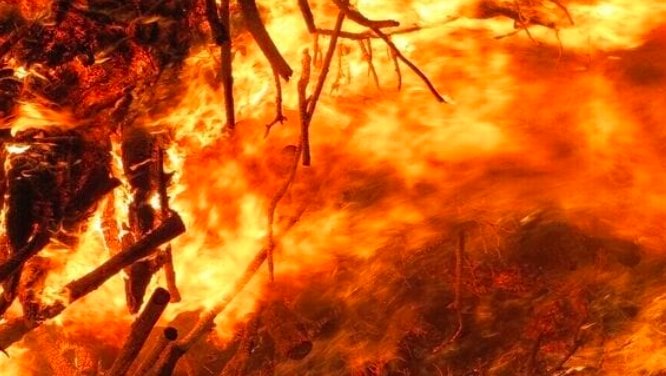
It started on August 10. A spark — officials haven’t confirmed the cause — and then within hours, the Oak Fire was chewing through grassland and creeping into timber. Afternoon winds pushed embers into fresh fuel, and the rugged terrain made access difficult.
The threat escalated quickly. By the time the sun set on Sunday, Governor Jared Polis had verbally declared a disaster emergency, a move that opened the door for federal assistance. Crews from surrounding counties poured in.
One firefighter described the scene as “a wall of heat,” with visibility dropping to near zero in the worst pockets of smoke.
Who’s Fighting the Flames
The fireline isn’t just packed with local crews. State and federal agencies have moved resources in, bringing in aerial support and specialized wildfire teams. According to state fire managers, air tankers and helicopters have been hitting hot spots while ground crews work to create containment lines.
On the ground, it’s a constant balance between offensive and defensive tactics. Dozers carve through brush to create firebreaks, while hand crews use chainsaws and shovels to clear fuel ahead of the fire.
-
The Colorado Division of Fire Prevention and Control has deployed multiple strike teams.
-
Federal hotshot crews are operating in steep terrain where machinery can’t reach.
-
County sheriffs have coordinated with the Red Cross to set up evacuation centers.
Evacuations and the Human Toll
For residents, the evacuation calls came with little warning. In some neighborhoods, the fire was close enough that people could see the glow on the horizon before sirens sounded.
Evacuation shelters have been set up in nearby community centers and schools. Local nonprofits are helping displaced families find temporary accommodation, but there’s an underlying anxiety — not everyone knows if their home will still be standing when they return.
For business owners, the uncertainty is just as heavy. August is typically a busy month in Pagosa Springs, a popular tourist town with a hot springs resort and nearby hiking trails. The fire has brought some of that to a halt.
Weather — The Big Unknown
Fire officials are watching the weather forecasts like hawks. High temperatures and low humidity make for a dangerous combination. If winds pick up again, the fire could change direction, testing containment lines and forcing more evacuations.
Rain would help, but as one incident commander noted, “We’re not counting on it.” The region has been in a prolonged dry spell, with fuels — grass, brush, and timber — all tinder dry.
The Bigger Picture: Wildfire Funding in Colorado
Colorado has seen a steady increase in large, destructive wildfires over the past decade. The Oak Fire is the latest in a string of blazes that have tested both the state’s firefighting capacity and its budget.
Here’s how FEMA’s cost-share agreement breaks down in practical terms:
| Category | Paid by FEMA | Paid by State/Local |
|---|---|---|
| Firefighting personnel | 75% | 25% |
| Equipment rental (e.g., bulldozers, engines) | 75% | 25% |
| Aircraft use | 75% | 25% |
| Shelter operations | 0% | 100% |
| Property repair/rebuilding | 0% | 100% |
While the federal funds cover the immediate fight, state and local governments are still left with hefty bills — and communities are left to manage recovery on their own unless additional federal disaster declarations are made.
Political and Community Response
Governor Polis has said the state is “throwing everything we have” at the Oak Fire. In a statement, he thanked local firefighters and called the federal assistance “crucial” to protecting lives and property.
Local officials in Archuleta County are urging residents to stay alert and obey evacuation orders. “We’ve seen how quickly these fires can change,” said the county sheriff, pointing to past blazes where the wind shifted and containment lines were lost.
Community groups are rallying support. Restaurants are offering free meals to evacuees, and ranchers are opening pasture land to shelter displaced livestock.











Spotify Running Mode hits Android and revives its old tempo experiment

Galaxy Tab S12 Ultra Renders Keep the Notch Fans Hate

Novato Spinning Round House Sells With Six Neighbors for $3.3 Million

Crop Tour Finds Indiana and Nebraska Corn Yields Lagging 2025

Best Buy 60th sale brings Android deals back to its roots

American Airlines reverses seatback screen bet years too late

Iran Hormuz Strikes Force Gulf Oil Onto Costlier Paths

Plague Tale Prequel Day One Joins Game Pass Wave 2 as Witcher Exits

NBA 2K27 opens The City to everyone and rewrites career eras

iOS 26.6.1 Patches 29 Flaws as AI Forces Faster Apple Updates

Double Fine Cuts 23 Jobs Weeks After Xbox Independence

Day-One Big Walk Lifts PS Plus August Beyond Recycled AAA

John Hight Exits Wizards After Digital Reckoning Hits

Curtis Mead’s Red Sox Debut Ends With Fractured Wrist

Moesch and Dressel Rewrite Night One at 2026 U.S. Nationals

Red Sox Squander Hot Streak Chance in 4-3 Loss to Athletics

Boutte’s Quiet Camp Takeover Forces Patriots Receiver Choices

Take-Two CEO Pushes Netflix Subs for GTA 6 Extended Look

Halo Campaign Evolved Skulls Meet Death Barriers That Kill the Hunt

Wildlands Free Update Hands Players the Tools They Already Invented
-

 TECHNOLOGY3 years ago
How to Adjust a Bulova Watch Band – An Easy Guide
-

 News3 years ago
Fred Pentland: Athletic Bilbao’s English mentor who changed the essence of Spanish football
-

 FINANCE3 years ago
Tax Planning for Every Season: Guide to Maximizing Your Tax Benefits
-

 Education3 years ago
African Ministers New Education Plan
-

 BUSINESS3 years ago
What is Entrepreneurial Operating System? A Comprehensive Guide to EOS
-

 Education3 years ago
Innovate Your Learning Journey with Technology and Enhance Education
-

 News3 years ago
Russians formally out of World Athletics Championships
-

 BUSINESS3 years ago
Top 9 Most Expensive American Cities to Rent an Apartment