
News
Fort Wayne City Council Approves Utilities Rate Hike Amid Infrastructure Catch-Up

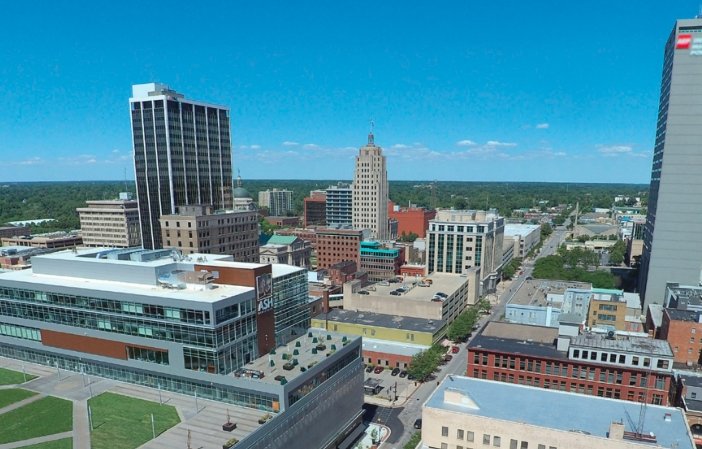
Fort Wayne residents will see their City Utilities bills climb slightly each year for the next five years after the city council approved a rate hike Tuesday night in a 6–3 vote.
The increase will amount to roughly an extra dollar per year on average household bills, but officials say the modest bump is necessary to address decades-old neglect in the city’s water and sewer systems.
Why the Rate Hike Was Proposed
City Utilities Director Kumar Menon didn’t sugarcoat the reasoning. The city is playing catch-up after what he described as “the lack of work that was done 60, 50, 40 years ago.” In his presentation, Menon pointed to infrastructure that has outlived its intended lifespan and to projects that were deferred for too long.
Pipes, pumping stations, and wastewater treatment facilities — many dating back to the mid-20th century — need upgrades to keep pace with modern demands. Without action, city officials warn, residents could face bigger problems down the line, including water quality issues and costly emergency repairs.
Supporters Say It’s an Investment
Six council members sided with Menon’s assessment, saying the incremental increases were a reasonable trade-off for better long-term reliability.
Councilman Geoff Paddock called it “a step in the right direction,” stressing that the utility’s mission is not just to provide clean drinking water but also to handle solid waste in a more efficient and environmentally responsible way.
Supporters argue that the dollar-a-year increase is comparatively minor — especially against the backdrop of national trends where many cities are seeing double-digit percentage hikes in utility bills due to aging systems.
Opposition Voices Concern Over Service
For opponents, the size of the hike wasn’t the sticking point — it was confidence in City Utilities’ management. Councilman Russ Jehl, one of three voting against the measure, said residents deserve not just running water but “a very good utilities service that understands customer service and understands that ultimately the rate payers are the shareholders.”
Jehl and others critical of the rate hike have long pushed for greater accountability in how City Utilities communicates with customers, especially when service issues arise.
A Long History of Deferred Maintenance
Fort Wayne’s water infrastructure story isn’t unique. Across the U.S., mid-century water systems are straining under modern demand. But the local narrative has its own quirks — Menon noted that key maintenance projects were postponed multiple times in past decades, often because officials wanted to avoid politically unpopular rate hikes.
Now, the bill for those decisions is coming due. Menon’s team says the funds from this gradual increase will be used for targeted improvements, including:
-
Replacing older water mains prone to leaks
-
Upgrading wastewater treatment to meet stricter environmental standards
-
Modernizing pumping equipment for efficiency and reliability
How Much Will Residents Actually Pay?
Here’s what the average household bill could look like under the approved plan:
| Year | Estimated Increase | Total Additional Cost to Date |
|---|---|---|
| 2025 | $1.00 | $1.00 |
| 2026 | $1.00 | $2.00 |
| 2027 | $1.00 | $3.00 |
| 2028 | $1.00 | $4.00 |
| 2029 | $1.00 | $5.00 |
The increases are designed to be predictable, giving households time to budget. City Utilities says it will review its capital improvement plans annually to ensure the funds are being used efficiently.
The Broader Economic Context
Even small rate hikes can be sensitive in a period where many households are already grappling with higher costs for groceries, fuel, and housing. But Fort Wayne’s rate structure still sits below the average for comparable Midwestern cities, according to city data.
Some analysts argue that spreading the cost over several years makes it easier for residents to absorb — and avoids the kind of shock that comes when cities delay too long and have to implement steep increases all at once.
What’s Next for Fort Wayne Utilities
Work on priority projects is expected to start in early 2026, with a focus on areas that have seen repeated service disruptions. The city also plans to expand public outreach, updating residents on project timelines and progress.
For now, the council’s decision sets the stage for a slow but steady reinvestment in a system that much of the city takes for granted — until it fails.









Spotify Running Mode hits Android and revives its old tempo experiment

Galaxy Tab S12 Ultra Renders Keep the Notch Fans Hate

Novato Spinning Round House Sells With Six Neighbors for $3.3 Million

Crop Tour Finds Indiana and Nebraska Corn Yields Lagging 2025

Best Buy 60th sale brings Android deals back to its roots

American Airlines reverses seatback screen bet years too late

Iran Hormuz Strikes Force Gulf Oil Onto Costlier Paths

Plague Tale Prequel Day One Joins Game Pass Wave 2 as Witcher Exits

NBA 2K27 opens The City to everyone and rewrites career eras

iOS 26.6.1 Patches 29 Flaws as AI Forces Faster Apple Updates

Caitlin Clark Skips the WNBA 3-Point Contest for a Third Straight Year

Rainout Gives Red Sox Two Shots at a Franchise-Record Win Streak

Double Fine Cuts 23 Jobs Weeks After Xbox Independence

Day-One Big Walk Lifts PS Plus August Beyond Recycled AAA

John Hight Exits Wizards After Digital Reckoning Hits

Curtis Mead’s Red Sox Debut Ends With Fractured Wrist

Moesch and Dressel Rewrite Night One at 2026 U.S. Nationals

Red Sox Squander Hot Streak Chance in 4-3 Loss to Athletics

Boutte’s Quiet Camp Takeover Forces Patriots Receiver Choices

Take-Two CEO Pushes Netflix Subs for GTA 6 Extended Look
-

 TECHNOLOGY3 years ago
How to Adjust a Bulova Watch Band – An Easy Guide
-

 News3 years ago
Fred Pentland: Athletic Bilbao’s English mentor who changed the essence of Spanish football
-

 FINANCE3 years ago
Tax Planning for Every Season: Guide to Maximizing Your Tax Benefits
-

 Education3 years ago
African Ministers New Education Plan
-

 BUSINESS3 years ago
What is Entrepreneurial Operating System? A Comprehensive Guide to EOS
-

 Education3 years ago
Innovate Your Learning Journey with Technology and Enhance Education
-

 News3 years ago
Russians formally out of World Athletics Championships
-

 BUSINESS3 years ago
Top 9 Most Expensive American Cities to Rent an Apartment