
News
Montrose Man Charged With 84 Counts of Animal Cruelty After Rescue of 80+ Animals

Authorities in Montrose County say dozens of animals — most of them horses — have been removed from a rural property after an investigation uncovered signs of neglect.
Charges Filed After Multiple Complaints
On August 11, deputies charged 61-year-old Scott Flores with 84 counts of animal cruelty, each a misdemeanor under Colorado law. The charges follow a rescue operation that removed 79 horses, four dogs, and one goat from his property.
The investigation began after two separate reports came in about dead horses on the site. Montrose County Sheriff’s Office (MCSO) deputies responded, leading to a welfare check and a coordinated rescue with the Bureau of Animal Protection.
Why the Charges Aren’t Felonies
David Farley, Public Information Officer for MCSO, says the nature of the injuries and conditions meant the case did not meet the state’s felony threshold.
“There’s been questions, why aren’t these felonies?” Farley said. “Colorado State Law is very specific in what’s a misdemeanor and what’s a felony. The injuries to these horses and the dogs and to the goat do not rise to the felony realm.”
Under Colorado law, felony animal cruelty charges typically require proof of aggravated cruelty — such as causing death or serious permanent injury with intent — whereas neglect and lesser harm often fall under misdemeanor statutes.
Condition of the Animals
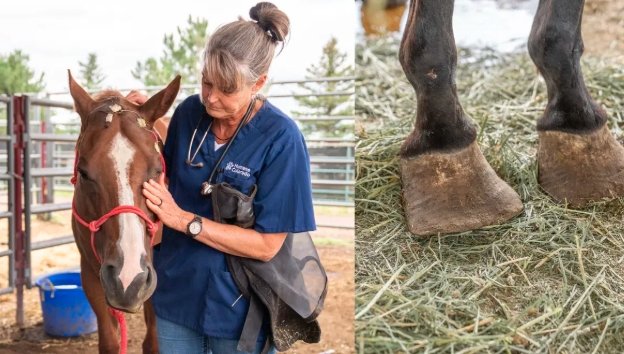
Following their removal, the animals were transported to a Bureau of Animal Protection holding facility for evaluation and care. Veterinarians assessed each animal, and the findings formed the basis for the charges filed against Flores.
Farley says the animals are now in better hands. “At this time, the horses, dogs, and goat are doing well,” he noted.
That outcome is notable given the number of animals involved. Mass rescues often strain local resources, from transportation to shelter capacity, but officials say the operation went smoothly thanks to state and local coordination.
Legal Process Moving Forward
Flores was issued a misdemeanor summons rather than being taken into custody. He is scheduled to appear in court on September 15.
If convicted, each misdemeanor count could carry penalties including fines, probation, and potential restrictions on owning animals in the future. However, jail time is rare in misdemeanor cruelty cases unless there are prior convictions or aggravating factors.
Past Cases Show Challenges in Prosecution
Colorado has seen similar large-scale animal seizures in recent years, particularly involving horses in rural counties. These cases often draw public criticism when charges stop short of felonies.
Animal welfare advocates argue that the law’s felony threshold leaves gaps, especially when animals suffer long-term neglect rather than acute injury. Law enforcement agencies counter that they must work within the statutes as written, even when public sentiment calls for harsher charges.
Timeline of Events
While details on how long the animals were in poor condition remain under investigation, the rescue unfolded quickly once reports came in:
| Date | Event |
|---|---|
| Early August | Two separate reports of dead horses made to MCSO. |
| August 11 | Deputies and Bureau of Animal Protection execute rescue operation. |
| August 11 | 79 horses, four dogs, one goat seized and taken to holding facility. |
| August 11 | Veterinarian evaluations conducted; misdemeanor summons issued to Flores. |
| September 15 | Flores set for first court appearance. |
What Happens to the Rescued Animals
While the legal process unfolds, the rescued horses, dogs, and goat will remain in state care. If a court eventually orders forfeiture, they could be placed for adoption or moved to rescue organizations.
In many cases, horses require months of rehabilitation before they are ready for new homes. That means feeding, veterinary care, hoof treatment, and behavioral work — all of which carry significant costs.
Animal welfare groups often step in to assist with those expenses, though officials have not yet confirmed whether outside nonprofits are involved in this case.
Broader Context in Colorado
Colorado’s Bureau of Animal Protection handles animal neglect and cruelty cases statewide, often working in partnership with sheriff’s offices in rural areas. Large-scale equine cases, while relatively rare, tend to highlight the tension between agricultural traditions and modern animal welfare standards.
Montrose County itself is home to a substantial ranching and horse-owning community. Many residents are expected to follow this case closely, not just for its legal implications but for what it says about local oversight of animal welfare.
For now, the priority remains ensuring the animals’ ongoing recovery — and determining whether any systemic changes could prevent similar cases in the future.












Mortgage Rates Climb to an 11-Month High, and Buyers Retreat Fast

FCC Sets August 6 Vote to Erase the 39% TV Ownership Cap

Netflix Heads Into Earnings With Its 2022 Playbook Already Spent

China’s Economy Grows Just 4.3% as Exports Boom and Households Retreat

United Airlines Beats Earnings Estimates Despite $6 Billion Fuel Hit

California’s Plastic Packaging Law Draws Fire From Every Side

xAI Sues a Grok User for CSAM Deepfakes It Struggled to Stop

US Stocks Edge Within 0.5% of a Record as Oil Climbs on War

BlackRock’s Private Markets Bet Pays Off With a Record $15 Trillion in Assets

Kalshi Traders See 93% Odds Gas Tops $4 as Iran Strikes Return

Halo Studios Reverses PS Plus for Halo: Campaign Evolved on PS5

Black Ops 1 and 2 PS5 Ports: $40 Price Tag Has Fans Uneasy

Matt Brown Dismisses Rousey and Paul’s MVP MMA Ratings Win Over UFC

Star Wars: Galactic Racer Is a Roguelite Racer With a Podracing Skin

Julius Randle Traded to Nets as Wolves Reclaim Cap Space for Dosunmu

Sega’s $49.99 Sonic Classic and Modern Bundles Hit Switch in October

Colombia Edge DR Congo as Muñoz Books World Cup Knockout Place

Douze Dixièmes Closes Five Months After MIO: Memories in Orbit

Warriors Take Yaxel Lendeborg, the Oldest Pick in the 2026 NBA Draft

Meta’s Muse Image Lets Anyone Use Your Instagram Photos in AI
-

 TECHNOLOGY3 years ago
How to Adjust a Bulova Watch Band – An Easy Guide
-

 News3 years ago
Fred Pentland: Athletic Bilbao’s English mentor who changed the essence of Spanish football
-

 FINANCE3 years ago
Tax Planning for Every Season: Guide to Maximizing Your Tax Benefits
-

 Education3 years ago
African Ministers New Education Plan
-

 BUSINESS3 years ago
What is Entrepreneurial Operating System? A Comprehensive Guide to EOS
-

 Education3 years ago
Innovate Your Learning Journey with Technology and Enhance Education
-

 News3 years ago
Russians formally out of World Athletics Championships
-

 BUSINESS3 years ago
Top 9 Most Expensive American Cities to Rent an Apartment