
News
Food Bank of the Rockies Ramps Up Aid as Colorado Wildfires Displace Families

Wildfires tearing through parts of Colorado have triggered an urgent need for food and water supplies, with the Food Bank of the Rockies stepping in to support communities under evacuation orders.
The nonprofit, which serves the Western Slope and beyond, is mobilizing its mobile pantry fleet and partnering with local relief groups to meet a surge in demand.
Coordinating Relief Efforts in Real Time
Amber Henning, who heads development and community relations for the food bank’s Western Slope operations, said the team is staying in constant contact with partners in hard-hit towns such as Meeker and Craig.
That’s because conditions can change fast. An area safe in the morning could be under evacuation by evening.
Henning explained that their role is to be “ready at any moment” to deploy food, water, and basic supplies.
In disaster situations, that readiness is often the difference between families going hungry and having a reliable food source.
While the organization works year-round, wildfire season forces a shift from routine distribution to crisis response.
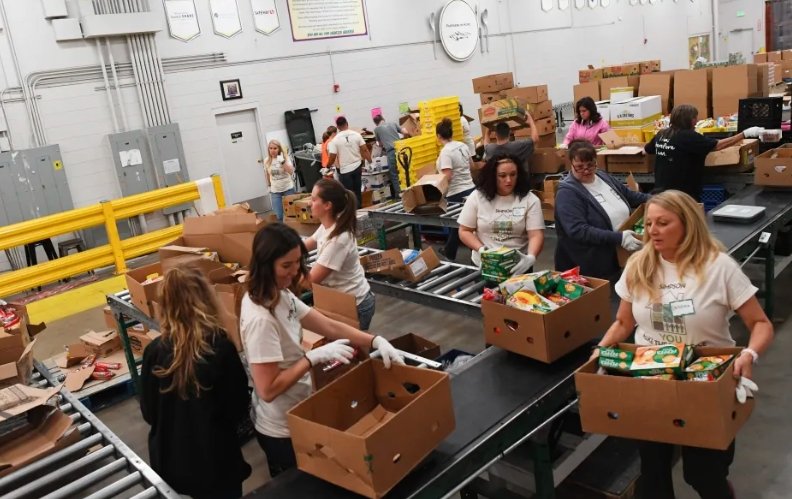
Hunger Doesn’t Pause for Emergencies
Henning stressed a point that relief workers know well — hunger doesn’t take breaks.
Wildfire evacuations often push already struggling families into even more precarious situations. Paychecks stop, homes are inaccessible, and grocery stores may be closed.
For the food bank, that means doubling down on what they already do: getting food to people as quickly and easily as possible.
Their mobile food pantry allows families to drive up and collect essentials without navigating crowded shelters or long lines in unfamiliar areas.
It’s not glamorous work. But it’s often the first real comfort people have after leaving their homes with just a few bags.
The Items That Matter Most
While all donations help, Henning says certain supplies make a bigger impact during fire emergencies.
Water tops the list — not just for evacuees, but also for firefighters working long hours in hot, smoky conditions.
Other high-need items include:
-
Shelf-stable foods such as canned meals and protein-rich snacks
-
Ready-to-eat items for people without access to kitchens
-
Easy-to-carry supplies that can fit in cars or temporary shelters
These basics may seem small, but in an evacuation, practicality is everything.
The Emotional Weight of Giving
Henning acknowledged the helplessness that often comes with watching wildfires spread.
People want to help, but don’t always know where to start. That’s where trusted community organizations step in, providing both a clear outlet for generosity and a direct connection to those in need.
“Donating to the food bank or local relief partners, even volunteering — it can go a long way,” she said.
Sometimes the biggest contribution isn’t the size of the gift, but the fact that it reaches people fast, when they need it most.
Why This Year Feels Different
Colorado’s wildfire season has been unpredictable before, but this year’s weather patterns — hotter temperatures and extended dry spells — have made firefighting conditions tougher.
The fires aren’t just affecting remote forested areas. Grassland burns near small towns have forced more evacuations than expected, catching some communities off guard.
For the Food Bank of the Rockies, that means responding to a wider geographic spread of need, from mountain valleys to plains towns.
In the past, distribution routes could be planned days in advance. Now, flexibility is the main strategy.
Mobile Food Pantries as a Lifeline
The organization’s mobile units are essentially warehouses on wheels.
They carry enough food and water to supply hundreds of people in a single trip, and can be deployed anywhere a truck can reach.
That mobility matters in wildfire situations, where road closures and detours can make fixed distribution points unreliable.
Henning says this model ensures they can “meet people where they are” rather than asking displaced families to find their way to a central location.
In the chaos of evacuation, removing just one logistical barrier can make all the difference.
The Scale of Need: Western Slope Snapshot
To understand the scope of the challenge, here’s a look at recent figures from the Food Bank of the Rockies’ Western Slope operations:
| Category | Average Monthly (Non-Disaster) | During Current Wildfires |
|---|---|---|
| Families Served | ~6,500 | ~9,200 |
| Pounds of Food Distributed | 700,000 lbs | 1.05 million lbs |
| Water Cases Distributed | 2,000 | 4,800 |
The increase is sharp — and that’s just the official tally. Many smaller, informal food-sharing efforts are happening in parallel, especially in rural communities.
Looking Ahead as Fires Continue
Wildfire season in Colorado typically runs through late September or even October. That means the demand for emergency food support could remain high for weeks.
Henning’s team isn’t waiting to see how the situation unfolds. Supplies are being stocked, trucks maintained, and partnerships strengthened now.
Because as she puts it, “We can’t control the fires, but we can control how quickly we get food to someone who’s hungry.”
For evacuees, firefighters, and volunteers alike, that readiness is its own kind of relief.










Mortgage Rates Climb to an 11-Month High, and Buyers Retreat Fast

FCC Sets August 6 Vote to Erase the 39% TV Ownership Cap

Netflix Heads Into Earnings With Its 2022 Playbook Already Spent

China’s Economy Grows Just 4.3% as Exports Boom and Households Retreat

United Airlines Beats Earnings Estimates Despite $6 Billion Fuel Hit

California’s Plastic Packaging Law Draws Fire From Every Side

xAI Sues a Grok User for CSAM Deepfakes It Struggled to Stop

US Stocks Edge Within 0.5% of a Record as Oil Climbs on War

BlackRock’s Private Markets Bet Pays Off With a Record $15 Trillion in Assets

Kalshi Traders See 93% Odds Gas Tops $4 as Iran Strikes Return

Halo Studios Reverses PS Plus for Halo: Campaign Evolved on PS5

Black Ops 1 and 2 PS5 Ports: $40 Price Tag Has Fans Uneasy

Matt Brown Dismisses Rousey and Paul’s MVP MMA Ratings Win Over UFC

Star Wars: Galactic Racer Is a Roguelite Racer With a Podracing Skin

Julius Randle Traded to Nets as Wolves Reclaim Cap Space for Dosunmu

Sega’s $49.99 Sonic Classic and Modern Bundles Hit Switch in October

Colombia Edge DR Congo as Muñoz Books World Cup Knockout Place

Douze Dixièmes Closes Five Months After MIO: Memories in Orbit

Warriors Take Yaxel Lendeborg, the Oldest Pick in the 2026 NBA Draft

Meta’s Muse Image Lets Anyone Use Your Instagram Photos in AI
-

 TECHNOLOGY3 years ago
How to Adjust a Bulova Watch Band – An Easy Guide
-

 News3 years ago
Fred Pentland: Athletic Bilbao’s English mentor who changed the essence of Spanish football
-

 FINANCE3 years ago
Tax Planning for Every Season: Guide to Maximizing Your Tax Benefits
-

 Education3 years ago
African Ministers New Education Plan
-

 BUSINESS3 years ago
What is Entrepreneurial Operating System? A Comprehensive Guide to EOS
-

 Education3 years ago
Innovate Your Learning Journey with Technology and Enhance Education
-

 News3 years ago
Russians formally out of World Athletics Championships
-

 BUSINESS3 years ago
Top 9 Most Expensive American Cities to Rent an Apartment