
News
Colorado River Water Cuts Strike Again in 2026

Federal officials have announced that Arizona, Nevada, and Mexico will face reduced water supplies from the Colorado River in 2026 due to persistent drought in the western United States. This marks the fifth straight year of mandatory cuts, driven by low levels in key reservoirs like Lake Powell and Lake Mead, as climate change worsens the crisis.
Ongoing Drought Triggers Fresh Cuts
The U.S. Bureau of Reclamation made the announcement on August 15, 2025, based on projections for reservoir levels over the next two years. These cuts aim to preserve water in the face of a drought that has gripped the region for over two decades.
Experts point to climate change as a major factor, with rising temperatures leading to more evaporation and less snowpack in the Rocky Mountains, which feeds the river. The Colorado River supplies water to about 40 million people across seven states, 30 Native American tribes, and parts of Mexico.
This year’s decision keeps the river in a Tier 1 shortage condition, similar to previous years. Without these measures, reservoirs could drop to critical lows, threatening water delivery and power generation.
How the Cuts Affect Each Region
Arizona bears the heaviest burden, losing 18 percent of its total allocation, which amounts to about 512,000 acre-feet of water. This hits farmers hard, as they rely on the river for irrigation in dry areas.
Nevada faces a 7 percent reduction, or roughly 21,000 acre-feet, but its smaller share means the impact is less severe compared to Arizona. Cities like Las Vegas have already cut water use through conservation efforts.
Mexico will see a 5 percent cut, equaling around 76,000 acre-feet, affecting agriculture in northern regions. These reductions follow international agreements tied to U.S. water management.
- Arizona: 18% cut, focusing on central and southern farming areas.
- Nevada: 7% cut, with urban areas adapting through recycling and efficiency.
- Mexico: 5% cut, impacting border states like Baja California.
Reservoir Levels at Historic Lows
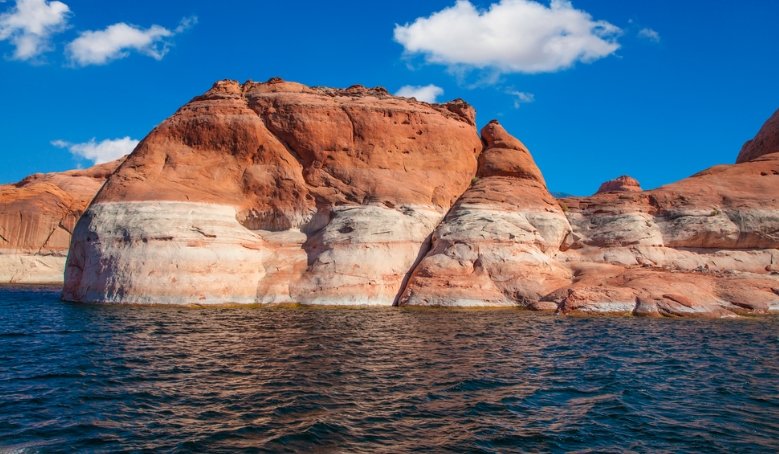
Lake Mead, the largest reservoir in the U.S., currently sits at about 34 percent capacity, down from fuller levels in the 1990s. Lake Powell is even lower, at around 32 percent, raising alarms about long-term sustainability.
Recent data from the Bureau of Reclamation shows that without cuts, Lake Mead could drop below 1,000 feet above sea level by 2027, halting power production at Hoover Dam. This dam provides electricity to millions in the Southwest.
Heavy snow in 2023 offered temporary relief, but dry conditions returned in 2024 and 2025. Evaporation alone claims up to 10 percent of the river’s flow each year.
A table below outlines current reservoir statuses:
| Reservoir | Current Capacity (%) | Elevation (feet) | Change from Last Year |
|---|---|---|---|
| Lake Mead | 34 | 1,068 | -2% |
| Lake Powell | 32 | 3,563 | -1% |
Challenges in Water Sharing Agreements
The 1922 Colorado River Compact, which divides water among states, was based on overly optimistic flow estimates. Today, the river carries about 20 percent less water than assumed back then.
Upper Basin states like Colorado and Utah argue they already send too much downstream, while Lower Basin states like Arizona and California hold senior rights. This tension has stalled talks.
The current guidelines expire at the end of 2026, and states must agree on new rules soon. Federal officials set a mid-November 2025 deadline for a preliminary deal, warning of intervention if talks fail.
Broader Impacts on Economy and Environment
Water shortages threaten agriculture, which uses about 70 percent of the river’s supply. In Arizona, farmers have fallowed fields, leading to economic losses estimated at hundreds of millions of dollars.
Urban areas are stepping up conservation. Las Vegas has banned new grass lawns and promoted graywater reuse, cutting per-person use by half since 2002.
Environmentally, low flows harm wildlife in the river delta and increase salinity, affecting ecosystems. Climate models predict even drier conditions ahead, with potential for more severe cuts.
Path Forward Amid Uncertainty
Negotiators are exploring options like paying farmers to conserve water or investing in desalination plants. Recent federal funding from the 2022 Inflation Reduction Act has supported some projects, but experts say deeper changes are needed.
John Berggren, a water policy expert, calls the current approach reactive and urges proactive measures to build resilience.
As the deadline looms, all eyes are on whether states can compromise to secure the river’s future. Share your thoughts on how these cuts might affect your community, and join the conversation in the comments below.













Spotify Running Mode hits Android and revives its old tempo experiment

Galaxy Tab S12 Ultra Renders Keep the Notch Fans Hate

Novato Spinning Round House Sells With Six Neighbors for $3.3 Million

Crop Tour Finds Indiana and Nebraska Corn Yields Lagging 2025

Best Buy 60th sale brings Android deals back to its roots

American Airlines reverses seatback screen bet years too late

Iran Hormuz Strikes Force Gulf Oil Onto Costlier Paths

Plague Tale Prequel Day One Joins Game Pass Wave 2 as Witcher Exits

NBA 2K27 opens The City to everyone and rewrites career eras

iOS 26.6.1 Patches 29 Flaws as AI Forces Faster Apple Updates

Double Fine Cuts 23 Jobs Weeks After Xbox Independence

Day-One Big Walk Lifts PS Plus August Beyond Recycled AAA

John Hight Exits Wizards After Digital Reckoning Hits

Curtis Mead’s Red Sox Debut Ends With Fractured Wrist

Moesch and Dressel Rewrite Night One at 2026 U.S. Nationals

Red Sox Squander Hot Streak Chance in 4-3 Loss to Athletics

Boutte’s Quiet Camp Takeover Forces Patriots Receiver Choices

Take-Two CEO Pushes Netflix Subs for GTA 6 Extended Look

Halo Campaign Evolved Skulls Meet Death Barriers That Kill the Hunt

Wildlands Free Update Hands Players the Tools They Already Invented
-

 TECHNOLOGY3 years ago
How to Adjust a Bulova Watch Band – An Easy Guide
-

 News3 years ago
Fred Pentland: Athletic Bilbao’s English mentor who changed the essence of Spanish football
-

 FINANCE3 years ago
Tax Planning for Every Season: Guide to Maximizing Your Tax Benefits
-

 Education3 years ago
African Ministers New Education Plan
-

 BUSINESS3 years ago
What is Entrepreneurial Operating System? A Comprehensive Guide to EOS
-

 Education3 years ago
Innovate Your Learning Journey with Technology and Enhance Education
-

 News3 years ago
Russians formally out of World Athletics Championships
-

 BUSINESS3 years ago
Top 9 Most Expensive American Cities to Rent an Apartment