
News
Fort Wayne Nears Halfway in Southeast Plan

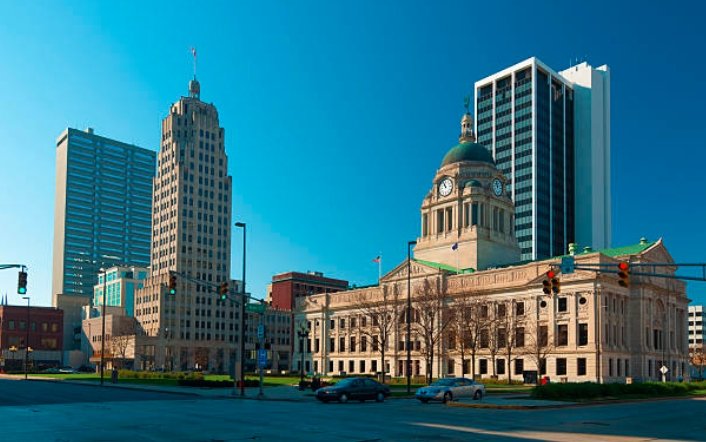
Fort Wayne officials are celebrating key milestones as the city approaches the midpoint of its 10-year Southeast Strategy initiative, aimed at boosting growth in the southeast quadrant. Launched amid pandemic challenges in 2020 and adopted in 2021, the plan involves over $2 billion in investments to improve infrastructure, housing, and community life.
Plan Origins and Goals
The Southeast Strategy began with community talks in 2020, but the COVID-19 outbreak limited in-person meetings. City leaders pushed forward, adopting the plan into the All in Allen Comprehensive Plan by 2021.
This initiative targets reinvestment in Fort Wayne’s southeast side, focusing on five main areas: economic growth, housing, transportation, public spaces, and quality of life. It draws from resident input gathered through workshops and open houses.
Officials say the strategy addresses long-standing needs in neighborhoods like Oxford and Pettit-Rudisill. With a total of $2.086 billion in public and private funds, much comes from major partners like Google, which broke ground on a $2 billion data center in 2024, promising 200 jobs.
The plan sets short-term, mid-term, and long-term goals to build a stronger community. Early efforts focused on gathering feedback to shape priorities.
Recent Project Wins
Two major short-term projects finished last week, marking solid progress. Crews repaved two miles of Calhoun Street, improving road safety and smoothness for drivers.
They also rebuilt the streetscape along South Anthony Boulevard, adding new sidewalks, curbs, and LED lighting. These changes aim to slow traffic and boost pedestrian safety.
Russ Garriott, a senior planner, notes that community ideas drove these efforts. Residents called for better roads and safer walking paths during input sessions.
Other 2025 wins include the Plant, Pick, Plate program, which teaches kids about urban gardening and cooking. Started in June, it promotes healthy living in southeast areas.
Traffic projects kicked off in August, with public works alerting drivers to construction that could affect commutes. These tie into the strategy’s transportation goals.
Community Role in Shaping Change
About 150 people attended a March open house at McMillen Park Community Center, sharing thoughts on future improvements. Mayor Sharon Tucker and other leaders listened to feedback on growth and needs.
The event featured stations showing neighborhood progress, letting residents leave notes on what matters most. This input helps refine the plan as it moves forward.
An advisory committee, including Southeast Area Partnership members, guides decisions. They ensure strategies match local wants, like more affordable housing and better parks.
Fort Wayne’s Engage platform lets residents join discussions online, making participation easier. This digital tool has boosted involvement since its launch.
One resident highlighted the value of these sessions, saying they make people feel heard in city planning.
Investments and Economic Boost
The strategy blends public funds with private investments for big impact. Google’s data center stands out, set to open soon and create jobs in tech.
Here is a breakdown of key investment areas:
| Area | Estimated Funding | Main Focus |
|---|---|---|
| Infrastructure | $800 million | Roads, utilities, and street improvements |
| Housing | $500 million | Affordable options and neighborhood upgrades |
| Economic Development | $600 million | Job creation and business growth |
| Community Programs | $186 million | Education, health, and public spaces |
These funds support projects like alley replacements in East Central, with 12 underway citywide this year.
Leaders expect the data center to spark more business interest, lifting the local economy. Job training programs are also expanding to prepare residents for new roles.
Challenges and Next Steps
Not everything has been smooth. Early pandemic limits slowed outreach, forcing virtual meetings that some found hard to join.
Rising costs for materials have stretched budgets, but officials adjusted by prioritizing high-impact items. They continue seeking grants to fill gaps.
Looking ahead, mid-term goals include more housing initiatives and park upgrades. A fossil fuel divestment push citywide ties into sustainable growth plans.
The strategy aims for completion by 2031, with annual updates to track progress. Leaders plan another open house soon to keep momentum.
Jonathan Leist, community development director, says the halfway mark shows real change. He credits teamwork between city staff, residents, and partners.
Broader Impact on Fort Wayne
This initiative fits into larger city efforts, like the 24 Moments that Defined Fort Wayne in 2024, which highlighted shared wins and challenges.
Southeast improvements could reduce traffic bottlenecks and enhance quality of life, drawing more families and businesses.
Similar plans in other cities, such as Indianapolis’s neighborhood investments, offer lessons on sustaining progress. Fort Wayne adapts these ideas to local needs.
Residents report feeling optimistic, with safer streets and new programs making a difference. One local business owner noted increased foot traffic since the streetscape finished.
As Fort Wayne pushes forward, the strategy promises lasting benefits for generations.
What do you think about these changes? Share your thoughts in the comments or on social media, and spread the word to keep the conversation going.









Spotify Running Mode hits Android and revives its old tempo experiment

Galaxy Tab S12 Ultra Renders Keep the Notch Fans Hate

Novato Spinning Round House Sells With Six Neighbors for $3.3 Million

Crop Tour Finds Indiana and Nebraska Corn Yields Lagging 2025

Best Buy 60th sale brings Android deals back to its roots

American Airlines reverses seatback screen bet years too late

Iran Hormuz Strikes Force Gulf Oil Onto Costlier Paths

Plague Tale Prequel Day One Joins Game Pass Wave 2 as Witcher Exits

NBA 2K27 opens The City to everyone and rewrites career eras

iOS 26.6.1 Patches 29 Flaws as AI Forces Faster Apple Updates

Double Fine Cuts 23 Jobs Weeks After Xbox Independence

Day-One Big Walk Lifts PS Plus August Beyond Recycled AAA

John Hight Exits Wizards After Digital Reckoning Hits

Curtis Mead’s Red Sox Debut Ends With Fractured Wrist

Moesch and Dressel Rewrite Night One at 2026 U.S. Nationals

Red Sox Squander Hot Streak Chance in 4-3 Loss to Athletics

Boutte’s Quiet Camp Takeover Forces Patriots Receiver Choices

Take-Two CEO Pushes Netflix Subs for GTA 6 Extended Look

Halo Campaign Evolved Skulls Meet Death Barriers That Kill the Hunt

Wildlands Free Update Hands Players the Tools They Already Invented
-

 TECHNOLOGY3 years ago
How to Adjust a Bulova Watch Band – An Easy Guide
-

 News3 years ago
Fred Pentland: Athletic Bilbao’s English mentor who changed the essence of Spanish football
-

 FINANCE3 years ago
Tax Planning for Every Season: Guide to Maximizing Your Tax Benefits
-

 Education3 years ago
African Ministers New Education Plan
-

 BUSINESS3 years ago
What is Entrepreneurial Operating System? A Comprehensive Guide to EOS
-

 Education3 years ago
Innovate Your Learning Journey with Technology and Enhance Education
-

 News3 years ago
Russians formally out of World Athletics Championships
-

 BUSINESS3 years ago
Top 9 Most Expensive American Cities to Rent an Apartment