
News
Indiana AG Targets Planned Parenthood Medicaid Funds

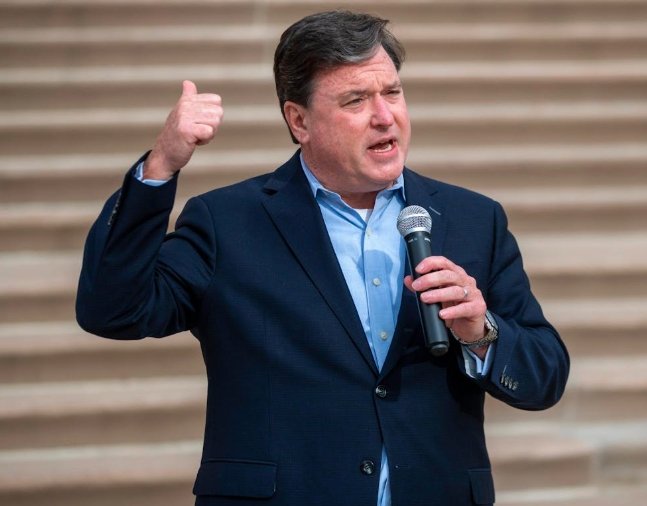
Indiana Attorney General Todd Rokita is pushing to end a 12 year old court order that lets Planned Parenthood get Medicaid money in the state. This move, filed last month, cites a new U.S. Supreme Court ruling and could stop funding for the group’s health services beyond abortions.
Rokita’s Latest Legal Move
Rokita’s office filed a brief in federal court to vacate the injunction from 2013. They argue that changes in federal law now allow states to block Medicaid funds from groups that offer abortions.
The filing points to a Supreme Court decision from June 2025. That ruling said states like South Carolina can exclude abortion providers from Medicaid without facing lawsuits from patients.
If successful, this would enforce a 2011 Indiana law that bans state contracts or grants to abortion providers. The law aims to avoid any indirect support for abortions.
Rokita’s team says the old injunction no longer holds up under current legal standards. They represent state officials in the ongoing case.
History of the Funding Ban
Indiana passed House Enrolled Act 1210 in 2011 under then Governor Mitch Daniels. The law blocks funding to any entity that performs abortions or runs facilities where they happen.
Planned Parenthood sued the same day the law was signed. They won a permanent injunction in 2013 from Judge Tanya Walton Pratt.
The judge ruled that the ban violated federal Medicaid rules on patient choice of providers. That kept Planned Parenthood in the program for services like checkups and tests.
Over the years, the case stayed quiet until this recent push. Rokita took office in 2021 and has focused on limiting abortion access.
The 2011 law exempts hospitals and surgical centers. But it targets clinics like Planned Parenthood’s.
Key Supreme Court Ruling
The turning point came in a 2025 Supreme Court case from South Carolina. Justices ruled 6 to 3 that Medicaid patients do not have a private right to sue over provider choices.
This overturned earlier logic that protected funding for groups like Planned Parenthood. States can now decide to exclude them based on abortion services.
Indiana officials see this as a green light. Their brief calls the old injunction’s foundation eroded.
Experts say this could inspire similar moves in other states. At least 10 states have tried or passed laws to defund Planned Parenthood since 2011.
The ruling ties into broader debates after the 2022 Dobbs decision that ended national abortion rights.
Here is a timeline of major events:
| Year | Event |
|---|---|
| 2011 | Indiana passes law banning funds to abortion providers. Planned Parenthood sues. |
| 2013 | Federal judge issues permanent injunction. |
| 2022 | Supreme Court overturns Roe v. Wade in Dobbs case. |
| 2025 | Supreme Court rules states can exclude abortion providers from Medicaid. |
| 2025 | Rokita files to vacate Indiana injunction. |
Planned Parenthood’s Stance
Planned Parenthood warns that cutting funds would hurt thousands of low income patients. They provide care in areas with few other options.
Rebecca Gibron, CEO of the regional affiliate, said attacks on their group threaten basic health services. She noted Indiana’s strict abortion limits already strain access.
The group serves over 50,000 patients yearly in Indiana. Most seek non abortion care like birth control or cancer screenings.
They argue other providers cannot handle the demand. This could lead to longer wait times and worse health outcomes.
Planned Parenthood is represented by the American Civil Liberties Union. They plan to fight the motion in court.
Broader Impacts on Health Care
Losing Medicaid funds would hit Planned Parenthood hard. In 2024, they got about 20 million dollars from Indiana’s program for non abortion services.
This affects services such as:
- Birth control and family planning
- Cancer screenings and preventive care
- Testing for sexually transmitted infections
- Vaccinations and general wellness exams
Experts predict gaps in rural areas where Planned Parenthood clinics are key. A 2024 study showed similar defunding in Texas led to higher unintended pregnancy rates.
Women’s health advocates fear this is part of a national trend. Since the Supreme Court ruling, states like Ohio and Florida have explored similar bans.
Public health groups urge lawmakers to consider the full effects. They say access to care saves lives and reduces costs long term.
What Happens Next
The federal court will review Rokita’s motion soon. A hearing could come in late 2025.
If the injunction lifts, Planned Parenthood might appeal. This could drag on for months or years.
Meanwhile, Indiana’s Medicaid program covers over 1.5 million people. Changes could ripple through the system.
Rokita’s office stands firm on enforcing the law. They see it as protecting taxpayer dollars from supporting abortions.
As this story develops, share your thoughts in the comments below. What do you think about states controlling Medicaid funds this way? Pass this article to friends for more discussion.













Spotify Running Mode hits Android and revives its old tempo experiment

Galaxy Tab S12 Ultra Renders Keep the Notch Fans Hate

Novato Spinning Round House Sells With Six Neighbors for $3.3 Million

Crop Tour Finds Indiana and Nebraska Corn Yields Lagging 2025

Best Buy 60th sale brings Android deals back to its roots

American Airlines reverses seatback screen bet years too late

Iran Hormuz Strikes Force Gulf Oil Onto Costlier Paths

Plague Tale Prequel Day One Joins Game Pass Wave 2 as Witcher Exits

NBA 2K27 opens The City to everyone and rewrites career eras

iOS 26.6.1 Patches 29 Flaws as AI Forces Faster Apple Updates

Double Fine Cuts 23 Jobs Weeks After Xbox Independence

Day-One Big Walk Lifts PS Plus August Beyond Recycled AAA

John Hight Exits Wizards After Digital Reckoning Hits

Curtis Mead’s Red Sox Debut Ends With Fractured Wrist

Red Sox Squander Hot Streak Chance in 4-3 Loss to Athletics

Moesch and Dressel Rewrite Night One at 2026 U.S. Nationals

Boutte’s Quiet Camp Takeover Forces Patriots Receiver Choices

Take-Two CEO Pushes Netflix Subs for GTA 6 Extended Look

Halo Campaign Evolved Skulls Meet Death Barriers That Kill the Hunt

Wildlands Free Update Hands Players the Tools They Already Invented
-

 TECHNOLOGY3 years ago
How to Adjust a Bulova Watch Band – An Easy Guide
-

 News3 years ago
Fred Pentland: Athletic Bilbao’s English mentor who changed the essence of Spanish football
-

 FINANCE3 years ago
Tax Planning for Every Season: Guide to Maximizing Your Tax Benefits
-

 Education3 years ago
African Ministers New Education Plan
-

 BUSINESS3 years ago
What is Entrepreneurial Operating System? A Comprehensive Guide to EOS
-

 Education3 years ago
Innovate Your Learning Journey with Technology and Enhance Education
-

 News3 years ago
Russians formally out of World Athletics Championships
-

 BUSINESS3 years ago
Top 9 Most Expensive American Cities to Rent an Apartment