
News
Did Jesus Use Cannabis Oil for Miracles?

A growing number of experts and historians suggest that Jesus Christ may have used cannabis oil in his healing miracles, based on ancient biblical texts and historical evidence. This theory, gaining traction in 2025 amid rising interest in natural remedies and cannabis legalization, points to ingredients in holy anointing oils that could include cannabis, sparking debates among scholars, religious leaders, and medical professionals.
Roots of the Theory in Ancient Texts
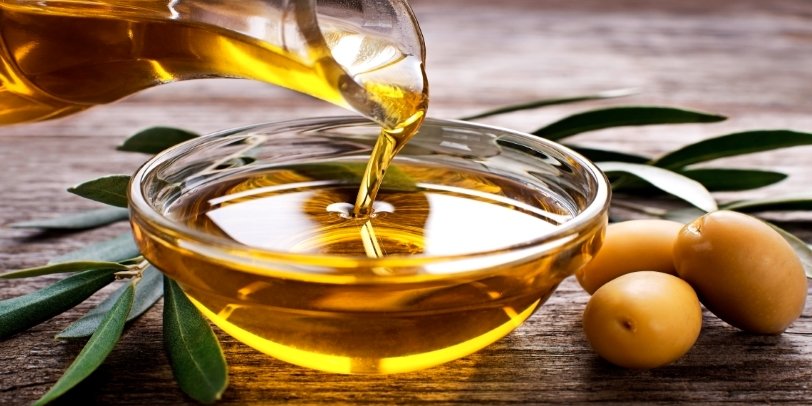
The idea stems from interpretations of the Bible, particularly Exodus 30:22-25, which describes a recipe for sacred anointing oil. Scholars argue that one key ingredient, known as q’aneh-bosm or kaneh-bosm, might actually refer to cannabis rather than the commonly accepted calamus plant.
This interpretation has been around for decades but has seen renewed attention in recent years. Historians note that cannabis was present in the Middle East over 2,000 years ago, used for medicinal purposes. They point out how people in that era applied plant-based oils to treat skin issues, pain, and other ailments.
Recent studies in 2024 and 2025 have analyzed ancient herbal practices, supporting the possibility that cannabis extracts provided real therapeutic benefits. For instance, modern cannabis oil is known to reduce inflammation and ease chronic pain, effects that align with descriptions of Jesus’ healings in the New Testament.
Experts like cannabis historians highlight how such oils could have been concentrated and absorbed through the skin, offering a natural explanation for some biblical accounts of rapid recoveries.
Historical Context and Expert Opinions
Cannabis use dates back thousands of years in regions like the Middle East and Asia, with archaeological finds showing its role in medicine and rituals. In Jesus’ time, trade routes brought herbs and spices from far away, making cannabis accessible.
One prominent voice in this discussion claims that if cannabis was part of the anointing oil that defined Jesus as the Christ, then modern restrictions on it could contradict early Christian practices. This view has appeared in books, podcasts, and online forums throughout 2025.
Medical experts add that cannabis compounds like CBD have proven anti-inflammatory and analgesic properties. They compare this to ancient remedies, suggesting Jesus and his followers might have used similar mixtures to aid the sick.
However, not all agree. Some biblical scholars stick to traditional views, seeing healings as divine acts without natural aids. This balance of opinions keeps the theory alive but controversial.
Recent events, such as the global push for cannabis legalization in countries like the United States and Canada by 2025, have fueled public interest. Discussions on social media platforms show people linking historical theories to current health trends.
Evidence from Biblical Healings
Accounts in the Gospels describe Jesus anointing the sick with oil before miracles, such as restoring sight or curing leprosy. Proponents argue these acts involved potent herbal mixtures, possibly including cannabis for its soothing effects.
Modern research backs this up. A 2024 study on ancient remedies found cannabis residues in artifacts from the biblical era, hinting at its widespread use.
Here are key biblical references often cited:
- Mark 6:13, where apostles anoint the sick with oil and heal them.
- James 5:14, advising elders to pray over the ill and anoint with oil in the name of the Lord.
- Luke 10:34, the Good Samaritan story using oil and wine on wounds.
These passages suggest oil played a practical role in healing, beyond just spiritual symbolism.
Critics counter that translations might be off, and cannabis was not explicitly named. Yet, linguistic experts in 2025 continue to debate the term kaneh-bosm, with some favoring the cannabis translation based on phonetic and historical matches.
Modern Implications and Debates
In 2025, this theory intersects with ongoing cannabis research and legalization efforts. With over 20 U.S. states fully legalizing marijuana and global markets projected to reach $100 billion by 2030, people are revisiting historical uses.
Advocates say recognizing cannabis in biblical contexts could reduce stigma and support medical marijuana programs. For example, patients today use cannabis oil for epilepsy and chronic pain, mirroring ancient healings.
On the flip side, religious groups worry it undermines faith by adding a material explanation to miracles. A 2025 survey by a major polling firm found 45 percent of Americans open to the idea, while 30 percent reject it outright.
This debate has even entered pop culture, with podcasts exploring the topic and social media buzzing about natural versus divine healing.
| Aspect | Traditional View | Cannabis Theory View |
|---|---|---|
| Anointing Oil Ingredients | Myrrh, cinnamon, cassia, olive oil, calamus | Myrrh, cinnamon, cassia, olive oil, cannabis |
| Healing Mechanism | Divine power alone | Combination of faith and herbal medicine |
| Historical Availability | Common spices and herbs | Cannabis widely used in Middle East |
| Modern Parallel | Prayer and faith healing | CBD oil for pain relief |
This table shows how the theory contrasts with standard interpretations.
Cultural and Scientific Reactions
The theory has sparked reactions across cultures. In regions with strong Christian traditions, some see it as a fresh way to connect ancient wisdom with modern science. Others view it as sensationalism.
Scientific communities in 2025 are funding more studies on ancient plants. One project analyzed Dead Sea Scrolls for herbal references, finding potential links to cannabis-like substances.
Public sentiment, as seen in online discussions, mixes curiosity with skepticism. Many appreciate how it highlights natural remedies in history.
As cannabis becomes mainstream, this idea encourages rethinking historical figures and their methods.
Looking Ahead: What It Means Today
With cannabis research advancing, experts predict more evidence could emerge from archaeology and linguistics by 2026. This might reshape views on biblical healings and influence policy on medicinal plants.
For now, the theory offers a bridge between faith and science, inviting deeper exploration of history’s mysteries.
Share your thoughts on this intriguing theory in the comments below, and spread the word if it sparks your interest.













Halo Campaign Evolved Skulls Meet Death Barriers That Kill the Hunt

Spotify Running Mode Returns After the 2015 Experiment Failed

Amazon AWS Hits Fastest Growth in Years as AI Spend Pays Off

Amazon Bets Platform Beats Models in the AI Race

Apple C2 Modem Edges Into iPhone 18 Pro After Qualcomm Drop

Google Earth Adds Nano Banana 2 to Reimagine Real Places

Apple Upgrade Turns Phones Into Monthly Utility Bills

Asha Sharma Bets Xbox Growth on Console and Four C’s

MacBook Ultra Design Follows Apple’s Familiar Cascade Path

TAG Heuer Carrera x Team Ikuzawa Revives 1970s Roadmaster Stopwatch DNA

Pokémon GO Developer Niantic Rebrands as Scopely Explore

Jaylen Brown Traded to 76ers for Paul George and Four Draft Picks

Doom Studio id Software Cuts Half Its Staff in Xbox Layoffs

Nintendo Switch Online Adds Four Classics and One Japan-Only Title

Jordan Henderson Hospitalized After Wrist Injury at the Azteca

Mexico’s World Cup Run Ends at Azteca as England Hold On 3-2

Meta’s Muse Image Lets Anyone Use Your Instagram Photos in AI

Louis Vuitton Beats Molly Tea in China, Triggers Cultural Backlash

Pink Bearista Cup Returns July 13 as Starbucks Pink Vibes Drops

Samsung Sets Galaxy Unpacked for July 22 in London With a Wider Fold
-

 TECHNOLOGY3 years ago
How to Adjust a Bulova Watch Band – An Easy Guide
-

 News3 years ago
Fred Pentland: Athletic Bilbao’s English mentor who changed the essence of Spanish football
-

 FINANCE3 years ago
Tax Planning for Every Season: Guide to Maximizing Your Tax Benefits
-

 Education3 years ago
African Ministers New Education Plan
-

 BUSINESS3 years ago
What is Entrepreneurial Operating System? A Comprehensive Guide to EOS
-

 Education3 years ago
Innovate Your Learning Journey with Technology and Enhance Education
-

 News3 years ago
Russians formally out of World Athletics Championships
-

 BUSINESS3 years ago
Top 9 Most Expensive American Cities to Rent an Apartment