
News
Stoner Mesa Fire Hits 10% Containment

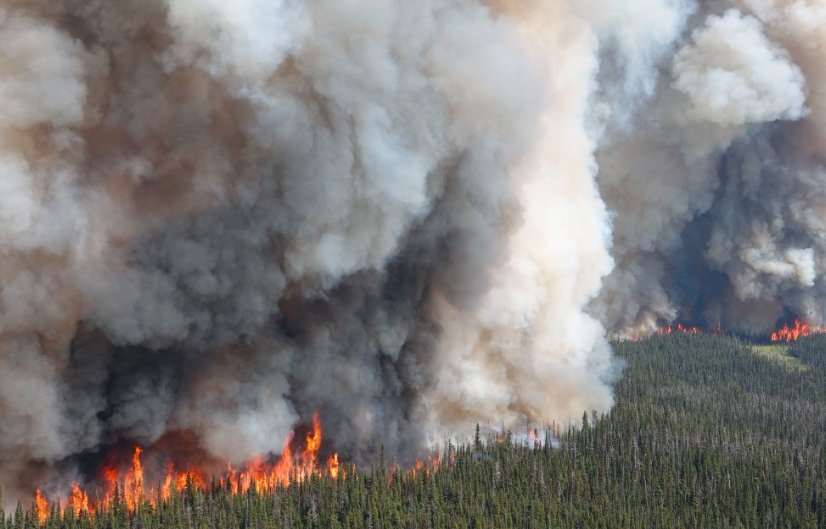
The Stoner Mesa Fire in western Colorado has grown to 9,407 acres and reached 10% containment as of late August 20, 2025. Firefighters battle tough winds and dry conditions near Rico, protecting homes and highways while officials warn of ongoing risks.
Fire Growth and Latest Size
Crews report the blaze started small but exploded due to hot weather and gusty winds. It now covers more than 9,400 acres across Montezuma and Dolores counties.
This rapid spread comes after weeks of dry spells in the region. Officials note the fire jumped from 7,123 acres just days ago to its current size. Spot fires have popped up, pushing flames westward and threatening more areas.
Evacuation alerts remain in place for some spots, like County Road 38. Residents there prepare for possible orders to leave as the fire edges closer.
Containment Progress and Challenges
Firefighters have made headway, boosting containment to 10% through backburns and line building. This marks a key step, but full control stays distant amid unpredictable weather.
Strong winds have driven the fire, making it hard to hold lines. Crews use helicopters for water drops and ground teams to clear fuel.
Red flag warnings add to the trouble, with low humidity and high gusts fueling the flames. Experts say these conditions mirror patterns seen in other major Colorado blazes this year.
Despite gains, the fire shows extreme behavior in steep terrain. Officials stress that containment could shift quickly if winds pick up again.
Impact on Rico and Nearby Areas
The town of Rico sits close to the fire’s edge, with proactive watches in effect. No homes have burned yet, but crews focus on structure protection along Highway 145.
Local roads see heavy fire traffic, slowing travel and raising safety concerns. Residents report thick smoke blanketing the area, affecting air quality and daily life.
- Evacuation prep for County Road 38 residents
- Sprinklers and pumps installed around key buildings
- Highway closures possible if flames advance
Communities feel the strain, with some schools and events on hold. Economic hits include tourism drops in this scenic region.
Wildlife habitats suffer too, as the fire scorches forests and meadows. Recovery could take years, based on past events like the 2020 Pine Gulch Fire.
Fire managers urge people to stay informed through local alerts. They highlight how quick actions have kept losses low so far.
Weather Factors and Future Outlook
Dry fuels and windy days have supercharged the fire’s growth. Forecasts show continued heat, but a slight cool down might help crews soon.
Meteorologists track potential rain, which could dampen the blaze. However, lightning risks loom, as seen in recent storms sparking new fires.
| Key Weather Elements | Details |
|---|---|
| Wind Speeds | Up to 30 mph gusts |
| Humidity Levels | Below 15% in afternoons |
| Temperature Range | 80-90 degrees Fahrenheit |
| Forecast Changes | Possible showers by weekend |
These factors play a big role in strategy. Teams adjust plans daily to match conditions.
Long term, climate trends point to more intense wildfires in Colorado. This year alone, several large fires have burned hundreds of thousands of acres statewide.
Response from Firefighters and Officials
Over 100 personnel from multiple agencies tackle the fire. They include hotshot crews and engine teams working round the clock.
Federal support brings in air tankers for retardant drops. Local sheriffs coordinate evacuations and road controls.
Governor statements emphasize state aid, with emergency funds released. This mirrors responses to fires like the Lee Fire, now at 68% containment nearby.
Community support grows, with donations for firefighters and affected families. Volunteers help with animal rescues and supply drives.
Comparison to Other Colorado Wildfires
The Stoner Mesa Fire ranks among the larger ones this season, but pales next to the massive Lee Fire at 137,755 acres. That blaze nears historic records set by the 2002 Hayman Fire.
Containment efforts here draw lessons from past events. For instance, the Elk Fire reached full containment quickly due to swift action.
Experts analyze these patterns to improve future responses. Data shows wildfires in Colorado have doubled in size over the last decade.
This fire underscores the need for better forest management. Officials push for prescribed burns to reduce fuel loads.
Share your thoughts on wildfire preparedness in the comments below, and spread this update to keep others informed.











Spotify Running Mode hits Android and revives its old tempo experiment

Galaxy Tab S12 Ultra Renders Keep the Notch Fans Hate

Novato Spinning Round House Sells With Six Neighbors for $3.3 Million

Crop Tour Finds Indiana and Nebraska Corn Yields Lagging 2025

Best Buy 60th sale brings Android deals back to its roots

American Airlines reverses seatback screen bet years too late

Iran Hormuz Strikes Force Gulf Oil Onto Costlier Paths

Plague Tale Prequel Day One Joins Game Pass Wave 2 as Witcher Exits

NBA 2K27 opens The City to everyone and rewrites career eras

iOS 26.6.1 Patches 29 Flaws as AI Forces Faster Apple Updates

Double Fine Cuts 23 Jobs Weeks After Xbox Independence

Day-One Big Walk Lifts PS Plus August Beyond Recycled AAA

John Hight Exits Wizards After Digital Reckoning Hits

Curtis Mead’s Red Sox Debut Ends With Fractured Wrist

Moesch and Dressel Rewrite Night One at 2026 U.S. Nationals

Red Sox Squander Hot Streak Chance in 4-3 Loss to Athletics

Boutte’s Quiet Camp Takeover Forces Patriots Receiver Choices

Take-Two CEO Pushes Netflix Subs for GTA 6 Extended Look

Halo Campaign Evolved Skulls Meet Death Barriers That Kill the Hunt

Wildlands Free Update Hands Players the Tools They Already Invented
-

 TECHNOLOGY3 years ago
How to Adjust a Bulova Watch Band – An Easy Guide
-

 News3 years ago
Fred Pentland: Athletic Bilbao’s English mentor who changed the essence of Spanish football
-

 FINANCE3 years ago
Tax Planning for Every Season: Guide to Maximizing Your Tax Benefits
-

 Education3 years ago
African Ministers New Education Plan
-

 BUSINESS3 years ago
What is Entrepreneurial Operating System? A Comprehensive Guide to EOS
-

 Education3 years ago
Innovate Your Learning Journey with Technology and Enhance Education
-

 News3 years ago
Russians formally out of World Athletics Championships
-

 BUSINESS3 years ago
Top 9 Most Expensive American Cities to Rent an Apartment