
News
Colorado Drivers Must Carry Physical License

In Colorado, drivers are still required by law to carry a physical driver’s license, even with digital options available through apps like myColorado. This rule, highlighted by recent Colorado State Patrol warnings, aims to avoid issues during traffic stops or accidents when phones fail, as of August 2025.
The Shift to Digital IDs in Colorado
Colorado has embraced technology by allowing digital driver’s licenses since 2019, with expansions to apps like Apple Wallet and Google Wallet by 2023. This move lets residents store their ID on smartphones for convenience in everyday tasks.
The myColorado app, launched by the state, provides a secure way to access a digital version of your license. Users can show it at airports or for age verification at stores. However, this digital shift has led to confusion among drivers who assume it’s a full replacement for the physical card.
Recent data from the Colorado Department of Revenue shows over 100,000 residents have added digital IDs to their devices as of mid-2025. This surge ties into broader trends where states like Arizona and Georgia also offer digital options, but Colorado’s laws remain strict on physical possession.
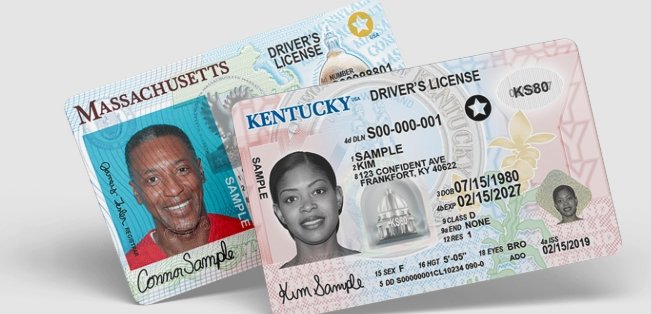
Why Physical Licenses Remain Mandatory
Colorado law, under Title 42 of the state statutes, clearly states that drivers must have their physical license on them while operating a vehicle. Failing to present it during a stop can result in a citation for refusal to display.
Authorities explain that while digital versions are legally valid for identification, they do not override the physical requirement. This rule ensures quick verification in situations where technology might not work.
In 2025, with REAL ID enforcement starting May 7, all Colorado licenses must comply with federal standards for air travel. Yet, this does not change the state law on carrying a physical copy.
Enforcement has ramped up, with troopers issuing reminders after noticing more drivers relying solely on phones. This comes amid a 15 percent increase in traffic stops statewide compared to 2024, per state patrol reports.
Common Problems with Digital-Only Reliance
Relying only on a digital license can create real-world headaches. If your phone battery dies during a stop, officers cannot access your ID, leading to delays or tickets.
Other issues include locked screens, lost devices, or damage from accidents. These scenarios make it hard for law enforcement to verify identity quickly.
Here are key problems drivers face:
- Dead battery: No power means no access to the app.
- Device damage: Crashes can break phones, hiding digital IDs.
- Connectivity issues: Apps may need internet to load, which fails in remote areas.
- Forgotten phones: Leaving your device at home leaves you without any ID.
Troopers report that such problems slow down stops by up to 20 minutes on average.
Advice from Colorado State Patrol
Colorado State Patrol urges all drivers to keep their physical license in their wallet or vehicle at all times. Trooper Sherri Mendez noted that many misunderstand the law and risk fines.
She recommends using digital IDs as a backup, not a replacement. This approach speeds up interactions while meeting legal needs.
For new drivers, obtaining a license involves specific steps. The table below outlines basic requirements for adults in Colorado as of 2025:
| Requirement | Details |
|---|---|
| Age | Must be at least 16 for a full license |
| Proof of Identity | Birth certificate or passport |
| Residency Proof | Two documents like utility bills |
| Tests | Vision, written, and road skills |
| Fees | $32 for a standard license |
Always check the Department of Revenue website for updates.
Patrol leaders stress education to prevent citations, which can cost up to $100 plus court fees.
Impact on Daily Driving and Future Changes
This requirement affects daily life for Colorado’s 4 million licensed drivers. In urban areas like Denver, where tech use is high, misunderstandings are common.
Rural drivers face extra challenges with spotty cell service, making physical IDs even more vital. Recent events, such as a 2025 multi-car pileup in Grand Junction, showed how phone failures delayed identifications.
Looking ahead, lawmakers are discussing updates to fully integrate digital IDs, but no changes are set for 2025. Similar debates in states like California highlight a national shift toward digital, yet safety concerns persist.
Drivers should stay informed through state apps and patrol alerts to avoid issues.
What do you think about this rule? Share your experiences in the comments below and pass this article along to fellow Colorado drivers to help spread the word.











Spotify Running Mode hits Android and revives its old tempo experiment

Galaxy Tab S12 Ultra Renders Keep the Notch Fans Hate

Novato Spinning Round House Sells With Six Neighbors for $3.3 Million

Crop Tour Finds Indiana and Nebraska Corn Yields Lagging 2025

Best Buy 60th sale brings Android deals back to its roots

American Airlines reverses seatback screen bet years too late

Iran Hormuz Strikes Force Gulf Oil Onto Costlier Paths

Plague Tale Prequel Day One Joins Game Pass Wave 2 as Witcher Exits

NBA 2K27 opens The City to everyone and rewrites career eras

iOS 26.6.1 Patches 29 Flaws as AI Forces Faster Apple Updates

Double Fine Cuts 23 Jobs Weeks After Xbox Independence

Day-One Big Walk Lifts PS Plus August Beyond Recycled AAA

John Hight Exits Wizards After Digital Reckoning Hits

Curtis Mead’s Red Sox Debut Ends With Fractured Wrist

Moesch and Dressel Rewrite Night One at 2026 U.S. Nationals

Red Sox Squander Hot Streak Chance in 4-3 Loss to Athletics

Boutte’s Quiet Camp Takeover Forces Patriots Receiver Choices

Take-Two CEO Pushes Netflix Subs for GTA 6 Extended Look

Halo Campaign Evolved Skulls Meet Death Barriers That Kill the Hunt

Wildlands Free Update Hands Players the Tools They Already Invented
-

 TECHNOLOGY3 years ago
How to Adjust a Bulova Watch Band – An Easy Guide
-

 News3 years ago
Fred Pentland: Athletic Bilbao’s English mentor who changed the essence of Spanish football
-

 FINANCE3 years ago
Tax Planning for Every Season: Guide to Maximizing Your Tax Benefits
-

 Education3 years ago
African Ministers New Education Plan
-

 BUSINESS3 years ago
What is Entrepreneurial Operating System? A Comprehensive Guide to EOS
-

 Education3 years ago
Innovate Your Learning Journey with Technology and Enhance Education
-

 News3 years ago
Russians formally out of World Athletics Championships
-

 BUSINESS3 years ago
Top 9 Most Expensive American Cities to Rent an Apartment