
News
Fort Wayne Starts Roosevelt Reserves Phase II Build

Fort Wayne officials and local developer Jerry Starks broke ground on Phase II of Roosevelt Reserves on August 21, 2025, marking a key step in the first major single-family housing project in the city’s southeast side in 50 years. This event, held at the site near Tillman and Hessen Cassel roads, highlights efforts to revive the area with new homes, aiming to boost community vibrancy and attract residents back to a once-thriving neighborhood.
Project Background and Importance
Jerry Starks, a lifelong resident of southeast Fort Wayne, leads this development to restore the area’s former glory. He recalls how businesses and people left over the years, leaving behind empty spaces and faded memories.
The subdivision spans 126 acres and plans for 131 lots in total. Phase I completed 49 lots, drawing new families and sparking private investments over $5 million. Phase II adds 30 more lots, focusing on custom homes that fit the community’s needs.
This project addresses a long-standing gap in market-rate housing. For decades, southeast Fort Wayne saw little new construction, leading to stereotypes about the area. Starks aims to change that by creating a welcoming space with modern features.
Officials note the development could generate tens of thousands in economic benefits, including jobs in construction and related fields.
Groundbreaking Event Details
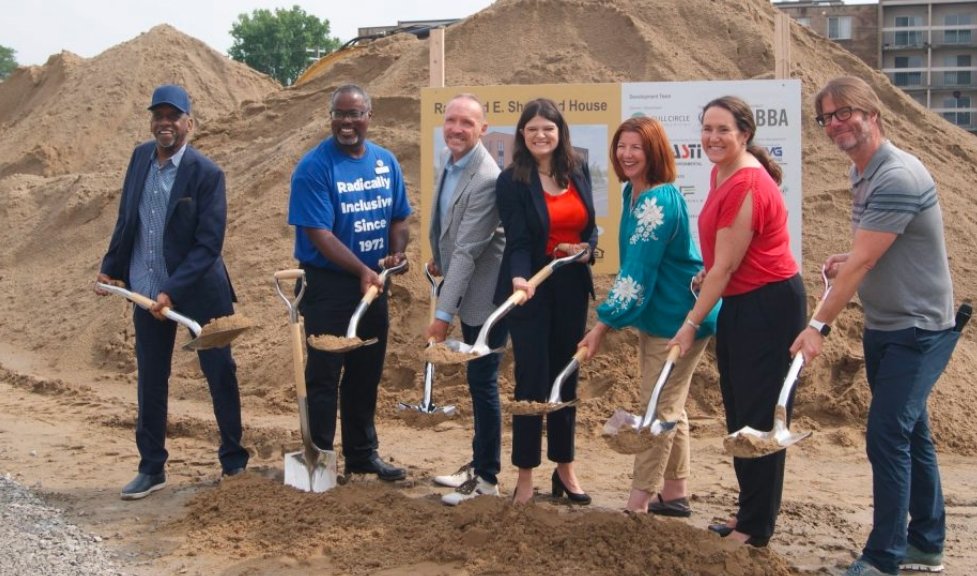
Mayor Sharon Tucker joined Starks and community members for the ceremony. They celebrated the start of construction, which promises bigger lots and thoughtful design elements.
Attendees included Starks’ family, friends, and local students like Chit Lwin from Purdue Fort Wayne. Lwin, who recently moved in, praised the project for challenging negative views and showing progress.
The event underscored community pride. Starks shared stories of his childhood, emphasizing his commitment to reinvest in the southeast side.
Key highlights from the groundbreaking include:
- Speeches from Mayor Tucker on city growth.
- Symbolic shovel turns by Starks and his son.
- Discussions on how the project ties into broader Fort Wayne revitalization efforts.
Phase II Features and Plans
Phase II brings exciting additions to Roosevelt Reserves. Homes will be custom-built, approved by a homeowners association to ensure quality and variety.
The design includes retention ponds for better water management and cul-de-sacs for safer, family-friendly streets. These elements aim to create a tranquil yet connected living space.
Buyers can expect prices around $242,000 on average, based on current listings. The full project, set to finish in coming years, involves a $40 million investment.
Here’s a quick overview of the phases:
| Phase | Number of Lots | Key Features | Status |
|---|---|---|---|
| Phase I | 49 | Initial homes, basic infrastructure | Completed |
| Phase II | 30 | Bigger lots, ponds, cul-de-sacs | Underway |
| Future Phases | 52 | Expanded amenities | Planned |
This table shows how the development builds step by step, with each phase adding value.
Starks stresses that no cookie-cutter houses will be allowed. Every build goes through review to maintain high standards and community appeal.
Community Impact and Future Outlook
Residents like Lwin see the subdivision as a sign of hope. It proves locals can afford nice homes and helps erase old biases about the southeast side.
The project aligns with recent trends in U.S. housing, where cities invest in underserved areas to fight shortages. For instance, similar efforts in nearby Midwest cities have boosted property values by up to 15 percent in revitalized zones.
Economically, Roosevelt Reserves could create hundreds of jobs over time, from building to maintenance. It also ties into Fort Wayne’s push for more affordable housing amid national shortages reported in 2025 studies.
Challenges remain, such as ensuring timely completion amid supply chain issues seen in other 2025 projects. Yet, early sales in Phase I suggest strong demand.
Looking ahead, the full 131 homes could house over 400 people, strengthening the local tax base and schools.
Challenges and Broader Context
Not everything has been smooth. Past delays, like right-of-way issues with utilities, pushed timelines back by months in 2024.
Starks draws from his roots to overcome hurdles. He mentions how the southeast once had malls and stores that migrated north, leaving a void he now fills.
This development fits into Indiana’s 2025 housing boom, with state reports showing a need for 100,000 new units by 2030. Fort Wayne leads with projects like this one.
Community feedback on social media shows excitement, with posts highlighting the need for more such investments in overlooked areas.
Balancing growth with preservation is key. Planners ensure the site, once farmland, now supports eco-friendly features like planted trees and green spaces.
What do you think about this development? Share your thoughts in the comments and spread the word to friends interested in Fort Wayne’s growth.








Spotify Running Mode hits Android and revives its old tempo experiment

Galaxy Tab S12 Ultra Renders Keep the Notch Fans Hate

Novato Spinning Round House Sells With Six Neighbors for $3.3 Million

Crop Tour Finds Indiana and Nebraska Corn Yields Lagging 2025

Best Buy 60th sale brings Android deals back to its roots

American Airlines reverses seatback screen bet years too late

Iran Hormuz Strikes Force Gulf Oil Onto Costlier Paths

Plague Tale Prequel Day One Joins Game Pass Wave 2 as Witcher Exits

NBA 2K27 opens The City to everyone and rewrites career eras

iOS 26.6.1 Patches 29 Flaws as AI Forces Faster Apple Updates

Double Fine Cuts 23 Jobs Weeks After Xbox Independence

Day-One Big Walk Lifts PS Plus August Beyond Recycled AAA

John Hight Exits Wizards After Digital Reckoning Hits

Curtis Mead’s Red Sox Debut Ends With Fractured Wrist

Moesch and Dressel Rewrite Night One at 2026 U.S. Nationals

Red Sox Squander Hot Streak Chance in 4-3 Loss to Athletics

Boutte’s Quiet Camp Takeover Forces Patriots Receiver Choices

Take-Two CEO Pushes Netflix Subs for GTA 6 Extended Look

Halo Campaign Evolved Skulls Meet Death Barriers That Kill the Hunt

Wildlands Free Update Hands Players the Tools They Already Invented
-

 TECHNOLOGY3 years ago
How to Adjust a Bulova Watch Band – An Easy Guide
-

 News3 years ago
Fred Pentland: Athletic Bilbao’s English mentor who changed the essence of Spanish football
-

 FINANCE3 years ago
Tax Planning for Every Season: Guide to Maximizing Your Tax Benefits
-

 Education3 years ago
African Ministers New Education Plan
-

 BUSINESS3 years ago
What is Entrepreneurial Operating System? A Comprehensive Guide to EOS
-

 Education3 years ago
Innovate Your Learning Journey with Technology and Enhance Education
-

 News3 years ago
Russians formally out of World Athletics Championships
-

 BUSINESS3 years ago
Top 9 Most Expensive American Cities to Rent an Apartment