
News
Mesa County Battles West Nile Virus in Mosquitoes

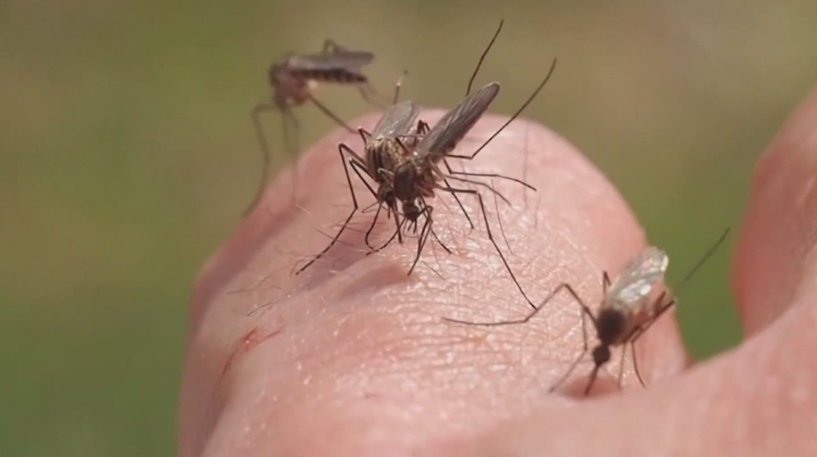
Grand Junction in Mesa County, Colorado, faces a fresh challenge as mosquitoes test positive for West Nile Virus, prompting quick action from local health officials. The Grand River Mosquito Control District leads efforts to curb the spread, using targeted treatments and community advice to protect residents during peak mosquito season in late summer 2025.
Virus Detection Sparks Alarm
Health experts confirmed the presence of West Nile Virus in mosquitoes from Grand Junction on August 28, 2025, through tests at the Colorado state lab. This marks the first positive result in the area this year, though no human cases have appeared in Mesa County so far.
Officials note that recent moisture from rains could boost mosquito numbers, making control vital. In past years, Colorado has seen spikes in West Nile activity during wet summers, with the virus spreading through bites from infected insects.
The detection follows a human case reported earlier in May 2025, highlighting the ongoing risk. Across the state, only a few human infections have occurred this season, but vigilance remains high.
Grand River Mosquito Control Steps Up
The Grand River Mosquito Control District acts fast to tackle the threat. They plan internal tests to pinpoint hot spots in Grand Junction and nearby areas like Clifton, Fruita, and Palisade.
District Manager Tim Moore explains that high mosquito counts in certain zones trigger more action. The team treats standing water with larvicides to kill young mosquitoes before they mature.
Fogging operations increase in affected neighborhoods, using safe sprays to reduce adult mosquito populations. These methods have proven effective in past outbreaks, cutting virus transmission rates by up to 50 percent in similar Colorado counties.
Moore stresses that while the district handles large-scale control, community involvement plays a key role. Efforts extend beyond Grand Junction, as the virus could spread quickly in the region.
Key Prevention Strategies for Residents
People in Mesa County can take simple steps to avoid bites and lower risks. Health officials promote the “3 D’s” approach to stay safe outdoors.
- Drain standing water around homes to stop mosquitoes from breeding in puddles, old tires, or birdbaths.
- Dress in long sleeves and pants during dawn and dusk, when mosquitoes are most active.
- Defend with insect repellents containing DEET, applying them as directed for best protection.
These tips align with advice from state health departments, which report that personal prevention reduces infection chances significantly. Families with children or elderly members should pay extra attention, as they face higher risks from the virus.
Experts also recommend checking window screens for holes and using mosquito nets for outdoor events. With mosquito numbers possibly rising due to recent weather, these habits could make a big difference.
Community Impact and Health Risks
West Nile Virus can cause mild symptoms like fever and headache, but severe cases lead to brain inflammation or even death. In Colorado, the virus has infected hundreds over the years, with peaks in hot, wet seasons.
Mesa County’s economy, tied to agriculture and tourism, feels the strain from such health threats. Outdoor activities in places like the Colorado National Monument draw visitors, but virus fears might keep some away.
Local schools and businesses prepare by educating staff on risks. For instance, recent events in other states show how virus detections disrupt daily life, from park closures to increased medical visits.
| Year | West Nile Cases in Colorado | Human Infections in Mesa County |
|---|---|---|
| 2023 | 120 | 5 |
| 2024 | 85 | 2 |
| 2025 (so far) | 10 | 0 |
This table shows a downward trend in cases statewide, thanks to better control, but officials warn that numbers could climb without continued efforts.
Residents report more mosquitoes this summer, linking it to flooding in nearby areas. Logical reasoning suggests that without action, the virus could mirror outbreaks in neighboring Garfield County, where detections occurred just weeks ago.
Future Outlook and Ongoing Efforts
As September approaches, mosquito populations typically drop with cooler weather, offering some relief. However, Moore cautions that vigilance must continue until the first frost.
The district collaborates with Mesa County Public Health to monitor trends and respond swiftly. This partnership has succeeded in past years, preventing widespread outbreaks.
Looking at national trends, states like Texas and California ramp up similar controls, using drones for spraying in hard-to-reach spots. Colorado might adopt these innovations if needed.
In the fight against West Nile, every action counts. Share this article with friends and family to spread awareness, and comment below on your own prevention tips to help the community stay safe.











Spotify Running Mode hits Android and revives its old tempo experiment

Galaxy Tab S12 Ultra Renders Keep the Notch Fans Hate

Novato Spinning Round House Sells With Six Neighbors for $3.3 Million

Crop Tour Finds Indiana and Nebraska Corn Yields Lagging 2025

Best Buy 60th sale brings Android deals back to its roots

American Airlines reverses seatback screen bet years too late

Iran Hormuz Strikes Force Gulf Oil Onto Costlier Paths

Plague Tale Prequel Day One Joins Game Pass Wave 2 as Witcher Exits

NBA 2K27 opens The City to everyone and rewrites career eras

iOS 26.6.1 Patches 29 Flaws as AI Forces Faster Apple Updates

Double Fine Cuts 23 Jobs Weeks After Xbox Independence

Day-One Big Walk Lifts PS Plus August Beyond Recycled AAA

John Hight Exits Wizards After Digital Reckoning Hits

Curtis Mead’s Red Sox Debut Ends With Fractured Wrist

Moesch and Dressel Rewrite Night One at 2026 U.S. Nationals

Red Sox Squander Hot Streak Chance in 4-3 Loss to Athletics

Boutte’s Quiet Camp Takeover Forces Patriots Receiver Choices

Take-Two CEO Pushes Netflix Subs for GTA 6 Extended Look

Halo Campaign Evolved Skulls Meet Death Barriers That Kill the Hunt

Wildlands Free Update Hands Players the Tools They Already Invented
-

 TECHNOLOGY3 years ago
How to Adjust a Bulova Watch Band – An Easy Guide
-

 News3 years ago
Fred Pentland: Athletic Bilbao’s English mentor who changed the essence of Spanish football
-

 FINANCE3 years ago
Tax Planning for Every Season: Guide to Maximizing Your Tax Benefits
-

 Education3 years ago
African Ministers New Education Plan
-

 BUSINESS3 years ago
What is Entrepreneurial Operating System? A Comprehensive Guide to EOS
-

 Education3 years ago
Innovate Your Learning Journey with Technology and Enhance Education
-

 News3 years ago
Russians formally out of World Athletics Championships
-

 BUSINESS3 years ago
Top 9 Most Expensive American Cities to Rent an Apartment