
News
Grand Junction Bomb Squad Tackles Old Dynamite

In a startling event that shook Western Colorado, the Grand Junction Bomb Squad safely detonated a cache of 50-year-old dynamite found in a local home on August 27, 2025. This action, which triggered a widespread emergency alert across Mesa County, highlights the squad’s vital role in handling hazardous materials in the region.
Recent Explosion Sparks County Wide Alert
The bomb squad responded to a home in Grand Junction after residents discovered unstable dynamite dating back half a century. Officials decided to detonate it on site around noon, leading to a loud boom heard for miles.
This incident stemmed from old mining explosives, common in areas like Naturita and Uravan. The team took careful steps to minimize risks, but the alert meant for nearby neighbors accidentally reached the entire 3,000-square-mile county.
Phones buzzed with warnings of a planned controlled explosion, causing brief confusion among thousands. No injuries occurred, and the squad cleared the site efficiently.
Local reports noted the blast felt like a minor earthquake, with some buildings checked for damage as a precaution.
How the Squad Operates and Trains
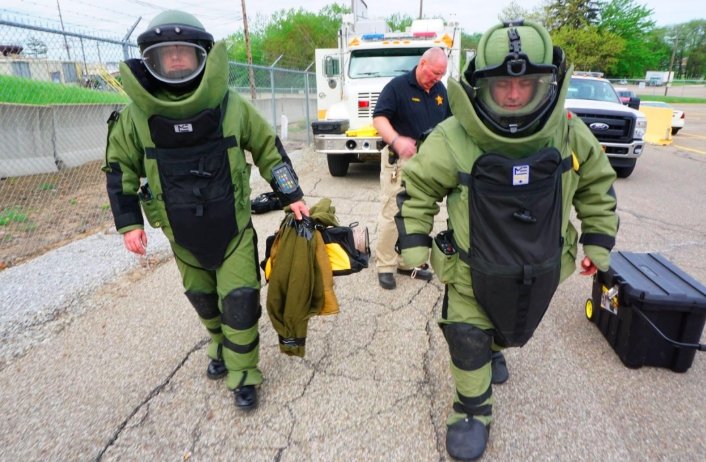
The Grand Junction Bomb Squad combines experts from the police and fire departments to form a skilled unit ready for high-risk tasks. Members undergo rigorous training at the FBI Hazardous Device School and must recertify every three years to stay sharp.
This preparation ensures they handle everything from old dynamite to suspicious devices with precision. In 2025 alone, the squad has managed several calls, including a June incident involving an odd liquid that prompted a full investigation.
Training focuses on safe disposal methods, like controlled detonations, which proved essential in the recent event. Squad leaders emphasize teamwork between law enforcement and firefighters for quick, effective responses.
Beyond explosives, they assist in cases like domestic disputes where homemade devices appear, as seen in a June 13 arrest involving an IED.
Serving Western Colorado’s Rural Areas
As a regional force, the squad covers 14 counties across Western Colorado, stepping in where local resources fall short. They handle 50 to 75 calls each year, mostly involving abandoned dynamite from historic mining sites in places like Rifle and Garfield County.
Commander Sean Crocker explained that many discoveries happen in basements or sheds during cleanouts. The service comes at no cost through mutual aid agreements, making it easy for residents to report finds.
This broad reach helps prevent accidents in remote areas, where old explosives from uranium mining eras pose ongoing threats. Recent years have seen a steady rise in such calls due to increased awareness and property turnovers.
In 2024, similar disposals occurred without major incidents, building on the squad’s track record of safety.
Here’s a quick look at key areas they serve:
- Mesa County: Home base with frequent urban calls.
- Garfield County: Mining history leads to dynamite finds.
- Montrose County: Rural spots with occasional suspicious items.
- Delta County: Assists in device investigations.
Key Facts About the Bomb Squad
To give a clearer picture, below is a table summarizing essential details about the Grand Junction Bomb Squad based on their operations and requirements.
| Aspect | Details |
|---|---|
| Composition | Mix of police and fire department staff |
| Training | FBI Hazardous Device School; recertify every 3 years |
| Annual Calls | 50 to 75, mostly abandoned dynamite |
| Service Area | 14 rural counties in Western Colorado |
| Cost to Public | Free through mutual aid |
| Common Threats | Old mining explosives, homemade devices, suspicious items |
This setup allows them to respond swiftly, often within hours of a report.
Safety Advice for Residents
If you stumble upon something suspicious, like old boxes marked as explosives, do not touch or move them. Call local law enforcement right away, and they will loop in the bomb squad if needed.
Commander Crocker advises asking about the item’s history, which helps assess risks. In mining-heavy regions, awareness of past activities can prevent surprises.
Recent events show that quick reporting avoids disasters, as with the August detonation that resolved safely.
Education efforts include community talks on recognizing hazards, especially in older homes.
Looking Ahead for Community Protection
With mining legacies still surfacing, the squad plans more outreach to inform residents on safe practices. Their work not only disposes of dangers but also builds trust in rural communities.
As threats evolve, ongoing training keeps them prepared for anything from dynamite to modern devices.
What do you think about the bomb squad’s role in your area? Share this article with friends and drop a comment below to join the discussion.










Spotify Running Mode hits Android and revives its old tempo experiment

Galaxy Tab S12 Ultra Renders Keep the Notch Fans Hate

Novato Spinning Round House Sells With Six Neighbors for $3.3 Million

Crop Tour Finds Indiana and Nebraska Corn Yields Lagging 2025

Best Buy 60th sale brings Android deals back to its roots

American Airlines reverses seatback screen bet years too late

Iran Hormuz Strikes Force Gulf Oil Onto Costlier Paths

Plague Tale Prequel Day One Joins Game Pass Wave 2 as Witcher Exits

NBA 2K27 opens The City to everyone and rewrites career eras

iOS 26.6.1 Patches 29 Flaws as AI Forces Faster Apple Updates

Double Fine Cuts 23 Jobs Weeks After Xbox Independence

Day-One Big Walk Lifts PS Plus August Beyond Recycled AAA

John Hight Exits Wizards After Digital Reckoning Hits

Curtis Mead’s Red Sox Debut Ends With Fractured Wrist

Moesch and Dressel Rewrite Night One at 2026 U.S. Nationals

Red Sox Squander Hot Streak Chance in 4-3 Loss to Athletics

Boutte’s Quiet Camp Takeover Forces Patriots Receiver Choices

Take-Two CEO Pushes Netflix Subs for GTA 6 Extended Look

Halo Campaign Evolved Skulls Meet Death Barriers That Kill the Hunt

Wildlands Free Update Hands Players the Tools They Already Invented
-

 TECHNOLOGY3 years ago
How to Adjust a Bulova Watch Band – An Easy Guide
-

 News3 years ago
Fred Pentland: Athletic Bilbao’s English mentor who changed the essence of Spanish football
-

 FINANCE3 years ago
Tax Planning for Every Season: Guide to Maximizing Your Tax Benefits
-

 Education3 years ago
African Ministers New Education Plan
-

 BUSINESS3 years ago
What is Entrepreneurial Operating System? A Comprehensive Guide to EOS
-

 Education3 years ago
Innovate Your Learning Journey with Technology and Enhance Education
-

 News3 years ago
Russians formally out of World Athletics Championships
-

 BUSINESS3 years ago
Top 9 Most Expensive American Cities to Rent an Apartment