
News
Western Colorado Winter 2025 Forecast

Western Colorado faces a mixed winter outlook for 2025 to 2026, with forecasts pointing to colder temperatures and potential heavy snow in parts of the region. Experts from various sources, including climate centers and almanacs, predict dramatic weather swings influenced by emerging La Niña conditions, affecting everything from ski seasons to water supplies.
Expert Predictions on Temperature and Snow
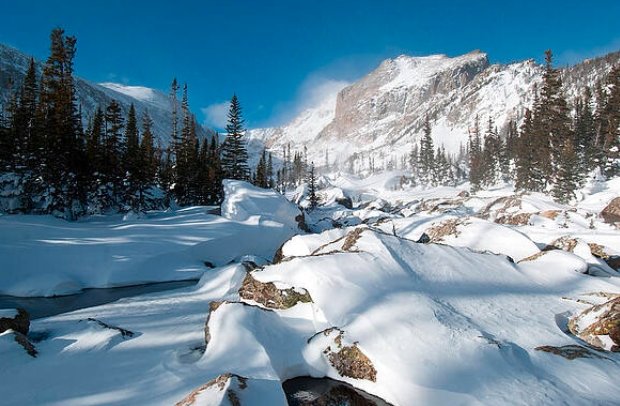
Forecasts from reliable almanacs and climate models show a lean toward a cold and snowy winter across Western Colorado. Many areas could see below normal temperatures, especially in the southern zones, with bursts of Arctic air bringing sharp drops.
Recent data indicates La Niña is likely to develop, cooling Pacific waters and shifting jet streams. This setup often leads to wetter conditions in the north but drier patterns in the southwest. Peter Goble from the Colorado Climate Center noted that such patterns create ripple effects on storm tracks.
Models suggest the coldest periods might hit in early January and late February. Heavy snowfall is expected in the Rockies, making it a strong season for winter sports enthusiasts.
One key forecast highlights widespread wintry weather with dramatic swings. This could mean more frequent storms riding on altered jet streams.
Precipitation Outlook and Regional Variations
Precipitation remains uncertain but leans drier in the southwest, including the San Juan Mountains. This could impact snowpack levels, crucial for spring water runoff.
In contrast, central and northern parts of Western Colorado might see near normal or above normal snowfall. Historical data from similar neutral to La Niña winters shows varied outcomes, like the snowy 2013 to 2014 season versus the drier 2017 to 2018.
Long range outlooks predict snowiest times in mid November, late January, and late February. These patterns tie into global climate shifts, where near normal sea temperatures allow for unpredictable storms.
For skiers, the western slopes look promising with potential heavy accumulations. However, drier trends in the south raise concerns for agriculture and reservoirs.
Experts warn that multiple dry years in a row strain water resources. Recharging soil and groundwater might take priority over filling lakes if precipitation falls short.
Impacts on Water Supply and Economy
A drier southwest could mean lower snowpack, affecting rivers and reservoirs that supply water to farms and cities. This builds on recent drought trends, making water management a top priority.
In past similar winters, some areas saw robust snow overall, boosting tourism. Ski resorts in places like Telluride and Aspen prepare for busy seasons if predictions hold.
Economic ripple effects include higher heating costs during cold snaps. Local businesses tied to winter recreation stand to gain from increased snowfall.
Communities in the San Juans face higher risks if dry conditions persist. This could lead to water restrictions come summer.
- Warmer than normal in northern Colorado, colder in the south.
- Near normal precipitation overall, but drier in southwest.
- Snowiest periods: Mid November, late January, late February.
- Potential for Arctic outbreaks dropping temps to minus 15 degrees or lower.
Historical Context and Comparisons
Looking back, winters without strong El Niño or La Niña influences have brought mixed bags. The 2013 to 2014 season delivered good snow to Western Colorado despite dry spots.
Conversely, 2017 to 2018 saw widespread dryness, hurting water supplies. These examples show how small shifts in ocean temperatures sway local weather.
Current models draw from these patterns, suggesting a repeat of variable conditions. Recent events, like early fall color changes due to drought, hint at ongoing dry stresses.
Climate experts track these trends to refine forecasts. They use data from satellites and buoys to monitor Pacific changes.
Preparing for Winter Weather Swings
Residents should gear up for cold snaps and possible heavy snow. Stocking up on essentials like blankets and non perishable food helps during storms.
Homeowners might check heating systems and insulate pipes to avoid freezes. Drivers need winter tires and emergency kits for mountain roads.
Communities can plan for snow removal and monitor avalanche risks in high country. Staying informed through local alerts keeps everyone safe.
| Month | Temperature Outlook | Precipitation Outlook | Snow Potential |
|---|---|---|---|
| December | Near normal | Slightly below normal in south | Moderate in mountains |
| January | Below normal, especially south | Variable, drier southwest | High, with possible heavy storms |
| February | Coldest periods early and late | Near normal overall | Peak snow in late month |
| March | Warming trend | Below normal in southwest | Lingering mountain snow |
This table summarizes monthly expectations based on combined forecasts.
As winter approaches, keep an eye on updates from climate centers. Share your thoughts on these predictions in the comments below, and pass this article along to friends planning Colorado trips.










Spotify Running Mode hits Android and revives its old tempo experiment

Galaxy Tab S12 Ultra Renders Keep the Notch Fans Hate

Novato Spinning Round House Sells With Six Neighbors for $3.3 Million

Crop Tour Finds Indiana and Nebraska Corn Yields Lagging 2025

Best Buy 60th sale brings Android deals back to its roots

American Airlines reverses seatback screen bet years too late

Iran Hormuz Strikes Force Gulf Oil Onto Costlier Paths

Plague Tale Prequel Day One Joins Game Pass Wave 2 as Witcher Exits

NBA 2K27 opens The City to everyone and rewrites career eras

iOS 26.6.1 Patches 29 Flaws as AI Forces Faster Apple Updates

Double Fine Cuts 23 Jobs Weeks After Xbox Independence

Day-One Big Walk Lifts PS Plus August Beyond Recycled AAA

John Hight Exits Wizards After Digital Reckoning Hits

Curtis Mead’s Red Sox Debut Ends With Fractured Wrist

Moesch and Dressel Rewrite Night One at 2026 U.S. Nationals

Red Sox Squander Hot Streak Chance in 4-3 Loss to Athletics

Boutte’s Quiet Camp Takeover Forces Patriots Receiver Choices

Take-Two CEO Pushes Netflix Subs for GTA 6 Extended Look

Halo Campaign Evolved Skulls Meet Death Barriers That Kill the Hunt

Wildlands Free Update Hands Players the Tools They Already Invented
-

 TECHNOLOGY3 years ago
How to Adjust a Bulova Watch Band – An Easy Guide
-

 News3 years ago
Fred Pentland: Athletic Bilbao’s English mentor who changed the essence of Spanish football
-

 FINANCE3 years ago
Tax Planning for Every Season: Guide to Maximizing Your Tax Benefits
-

 Education3 years ago
African Ministers New Education Plan
-

 BUSINESS3 years ago
What is Entrepreneurial Operating System? A Comprehensive Guide to EOS
-

 Education3 years ago
Innovate Your Learning Journey with Technology and Enhance Education
-

 News3 years ago
Russians formally out of World Athletics Championships
-

 BUSINESS3 years ago
Top 9 Most Expensive American Cities to Rent an Apartment