
News
Ovarian Cancer Risks Hit Colorado Women Hard

In Colorado, ovarian cancer claims about 220 women’s lives each year, making it a silent threat that demands more awareness. Recent health reports highlight the urgent need for women to recognize symptoms early, as there’s no standard screening test, and local experts push for proactive family history checks to combat this deadly disease.
Rising Ovarian Cancer Cases in Colorado
Colorado faces a growing challenge with ovarian cancer, where estimates show around 290 new diagnoses annually. This aligns with national trends from the American Cancer Society, which notes about 19,680 new cases across the United States each year.
Health officials point out that the state’s rates have slowly declined over the past two decades, yet the death toll remains high. Women over 63 make up more than half of those diagnosed, and the lifetime risk for any woman sits at about one in 87.
Local data reveals that white women experience higher rates compared to other groups like Hispanic, Asian, or African American women. This pattern calls for targeted education in diverse communities across the state.
Experts tie these numbers to factors like aging populations and limited access to specialized care in rural areas. With no routine screening available, many cases get caught too late, stressing the need for vigilance.
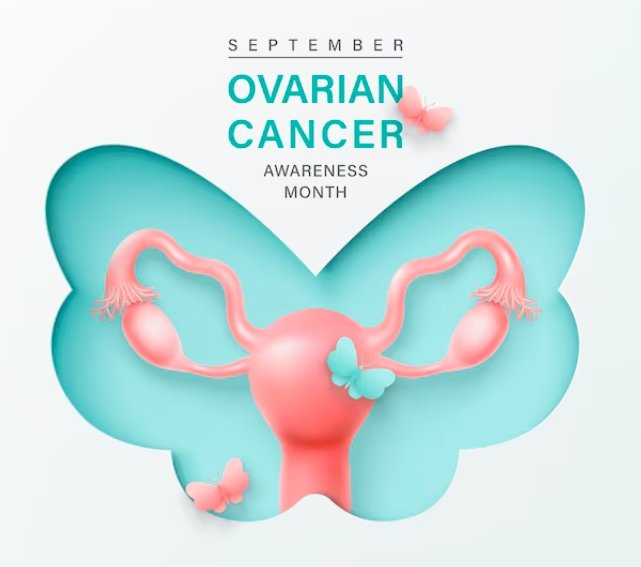
Key Symptoms Every Woman Should Know
Symptoms of ovarian cancer often mimic everyday issues, which makes them easy to overlook. Doctors warn that persistent signs warrant a quick checkup, especially for women in their later years.
Common red flags include ongoing bloating or a swollen belly that does not go away. Many women report discomfort in the tummy or pelvic area that feels unusual.
Other frequent complaints involve feeling full after eating just a small amount or losing appetite altogether. Changes in bathroom habits, such as needing to urinate more often or dealing with constipation, also raise concerns.
Fatigue and back pain can signal trouble too, along with unexpected weight loss. If these persist for weeks, experts advise seeing a doctor right away to rule out serious problems.
- Persistent bloating or abdominal swelling
- Feeling full quickly when eating
- Pelvic or abdominal pain
- Frequent urination or bowel changes
- Unexplained fatigue or back pain
Risk Factors That Increase Chances
Age stands out as a major risk factor, with most cases hitting women past 63. Family history plays a big role too; if relatives had ovarian, breast, or related cancers, the odds go up.
Obesity and certain reproductive histories, like never having children or late menopause, add to the risks. Some studies link long-term use of fertility drugs to higher chances, though more research continues.
Genetic factors, such as BRCA gene mutations, boost vulnerability. Women with endometriosis or a personal history of breast cancer face elevated risks as well.
In Colorado, environmental elements like high altitude might influence rates, but experts focus more on lifestyle and genetics. Knowing these helps women discuss options with their doctors.
| Risk Factor | Description | Impact Level |
|---|---|---|
| Age over 63 | Most common in older women | High |
| Family history | Inherited cancers in relatives | High |
| Obesity | Excess weight linked to higher odds | Medium |
| Reproductive history | No pregnancies or late menopause | Medium |
| Genetic mutations | BRCA1 or BRCA2 changes | High |
Prevention Tips and Early Detection Strategies
While no sure way exists to prevent ovarian cancer, healthy habits offer some protection. Maintaining a balanced weight through diet and exercise lowers risks.
Birth control pills have shown to reduce chances when used long-term, based on ongoing studies. Regular checkups help catch issues early, even without a specific test.
Genetic counseling benefits those with family histories, guiding decisions on testing or preventive steps. In Colorado, programs like those from the Colorado Cancer Coalition promote education on symptoms and risks.
New research explores blood tests for early detection, with recent trials showing promise in spotting cancer accurately. Staying informed empowers women to act fast.
Doctors urge discussing any unusual symptoms promptly. Community events, such as awareness campaigns in September, spread vital info across the state.
Local Efforts to Raise Awareness
The Colorado Gynecologic Cancer Alliance leads initiatives to educate residents. They encourage wearing teal and sharing symptoms on social media to build support.
Health fairs across Colorado distribute info cards on risks and signs. Medical students receive training on early detection and genetic counseling through structured programs.
Survivor stories inspire action, with groups hosting events to connect affected families. These efforts aim to lower the death rate by promoting timely doctor visits.
Recent pushes include research support for innovative screening tests. By engaging communities, these organizations work to save lives one conversation at a time.
As ovarian cancer awareness grows, share this article with friends and family to spread the word. Comment below on your thoughts or experiences to help others stay informed and proactive.











Spotify Running Mode hits Android and revives its old tempo experiment

Galaxy Tab S12 Ultra Renders Keep the Notch Fans Hate

Novato Spinning Round House Sells With Six Neighbors for $3.3 Million

Crop Tour Finds Indiana and Nebraska Corn Yields Lagging 2025

Best Buy 60th sale brings Android deals back to its roots

American Airlines reverses seatback screen bet years too late

Iran Hormuz Strikes Force Gulf Oil Onto Costlier Paths

Plague Tale Prequel Day One Joins Game Pass Wave 2 as Witcher Exits

NBA 2K27 opens The City to everyone and rewrites career eras

iOS 26.6.1 Patches 29 Flaws as AI Forces Faster Apple Updates

Double Fine Cuts 23 Jobs Weeks After Xbox Independence

John Hight Exits Wizards After Digital Reckoning Hits

Day-One Big Walk Lifts PS Plus August Beyond Recycled AAA

Curtis Mead’s Red Sox Debut Ends With Fractured Wrist

Red Sox Squander Hot Streak Chance in 4-3 Loss to Athletics

Moesch and Dressel Rewrite Night One at 2026 U.S. Nationals

Boutte’s Quiet Camp Takeover Forces Patriots Receiver Choices

Take-Two CEO Pushes Netflix Subs for GTA 6 Extended Look

Halo Campaign Evolved Skulls Meet Death Barriers That Kill the Hunt

Wildlands Free Update Hands Players the Tools They Already Invented
-

 TECHNOLOGY3 years ago
How to Adjust a Bulova Watch Band – An Easy Guide
-

 News3 years ago
Fred Pentland: Athletic Bilbao’s English mentor who changed the essence of Spanish football
-

 FINANCE3 years ago
Tax Planning for Every Season: Guide to Maximizing Your Tax Benefits
-

 Education3 years ago
African Ministers New Education Plan
-

 BUSINESS3 years ago
What is Entrepreneurial Operating System? A Comprehensive Guide to EOS
-

 Education3 years ago
Innovate Your Learning Journey with Technology and Enhance Education
-

 BUSINESS3 years ago
Top 9 Most Expensive American Cities to Rent an Apartment
-

 News3 years ago
Russians formally out of World Athletics Championships