
News
Ancient Roman Bridge Found in Switzerland

Archaeologists in Switzerland have uncovered the remains of a wooden bridge built by the Romans around 40 B.C.E. in Aegerten near the Zihl River. This find, revealed during recent construction work, shows how the structure served as a vital trade link for over 400 years and offers fresh insights into ancient engineering.
The discovery happened in early September 2025, when workers digging in the area hit preserved oak piles buried in silt and groundwater. Experts from the Archaeological Service of the Canton of Bern quickly stepped in to study the site, confirming its Roman origins through tree ring analysis.
How the Bridge Was Discovered
Construction crews in Aegerten, a small town in the canton of Bern, were preparing the ground for new development when they struck unusual wooden posts. At first, it seemed like random debris, but closer checks showed these were oak piles from an ancient structure.
Archaeologists rushed to the scene and excavated over 300 such piles, each driven deep into the old riverbed. The Zihl River once flowed right through this spot, but its course shifted over time, leaving the bridge remnants hidden under layers of earth.
Tree ring studies dated the oldest piles to about 40 B.C.E., with later ones added up to 369 C.E. This timeline matches the Roman presence in the region, which began after Julius Caesar’s campaigns.
The wet soil kept the wood in good shape, a rare gift for researchers. Without oxygen, decay slowed, preserving details that dry sites often lose.
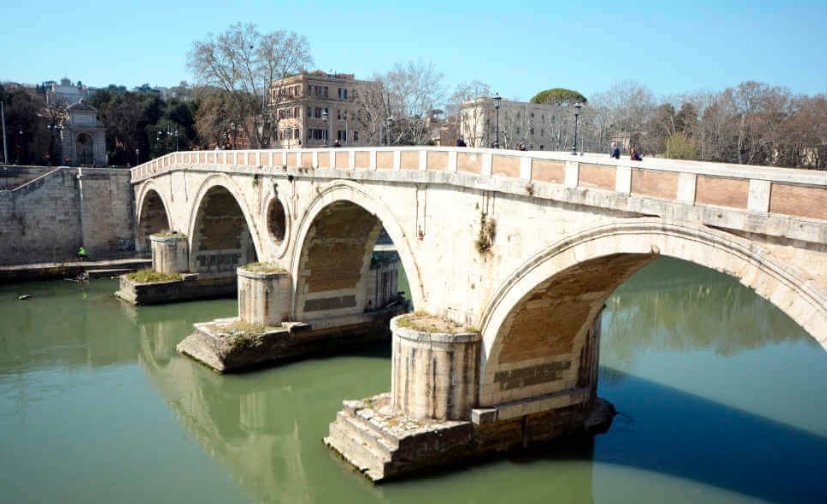
Why This Bridge Mattered to the Romans
The bridge crossed the Zihl River, linking key Roman settlements and trade paths in what is now Switzerland. Back then, the area was part of the empire’s frontier, vital for moving troops, goods, and messages.
Romans built it to connect Aventicum, a major town nearby, with other outposts. This setup helped control trade in grain, metals, and wine across the Alps.
Historians note that such bridges were engineering feats, using local oak for strength. The structure likely spanned 100 meters or more, based on pile spacing.
It saw heavy use, with repairs over centuries showing the Romans’ commitment to infrastructure. By the fourth century, as the empire weakened, the bridge still stood, a sign of lasting Roman influence.
This find ties into broader Roman history, like their road networks that stretched from Britain to the Middle East. In Switzerland, it adds to sites like Augusta Raurica, another preserved Roman town.
Key Artifacts Unearthed at the Site
Along with the oak piles, diggers found everyday Roman items tossed or lost in the river below. These give a peek into daily life two millennia ago.
One standout is a large plane made of wood and iron, used for smoothing timber. Its fine condition, thanks to the mud, lets experts study Roman tools up close.
Other finds include metal horseshoes, iron keys, bronze coins, and nail studs from leather shoes. A rare fishing trident suggests locals used the river for food.
Here are some of the main artifacts recovered:
- Wooden and iron plane: Likely used by bridge builders for precise woodwork.
- Horseshoes and nails: Point to horse traffic, key for Roman transport.
- Coins from various eras: Show the bridge’s long use, from early empire to late antiquity.
- Fishing tools: Hint at how people lived and worked near the crossing.
These items are now under conservation, with plans for museum display.
Roman Engineering Secrets Revealed
The bridge showcases Roman skill in building with wood, a material they favored for quick, sturdy projects. Oak piles were hammered into the riverbed to form a stable base, then topped with beams and planks.
Experts estimate the design could handle heavy carts and soldiers. Renovations over 400 years involved adding new piles, adapting to wear and floods.
Compared to stone bridges like those over the Rhine, this wooden one was cheaper and faster to build in remote areas.
| Feature | Details |
|---|---|
| Material | Oak wood piles, over 300 found |
| Construction Date | Around 40 B.C.E. |
| Usage Period | Over 400 years, until 369 C.E. |
| Length Estimate | At least 100 meters |
| Key Technique | Pile driving into riverbed for stability |
| Artifacts Linked | Tools showing on-site repairs |
This table sums up the bridge’s core traits, based on the latest analysis.
Modern engineers admire how Romans managed water flow and load without metal reinforcements. The site’s preservation offers lessons for today’s sustainable building.
Links to Other Recent Discoveries
This Swiss find echoes other Roman bridge uncovers, like one in the Netherlands from 2023, also wooden and trade-focused. In 2024, Italian archaeologists found bridge parts near Pompeii, tying into volcanic history.
Switzerland itself has a rich Roman past, with 2025 digs in Geneva revealing similar roads. These connect to global trends, as climate change exposes more ancient sites through erosion.
The Zihl River bridge stands out for its age and artifact haul, enriching our view of Roman expansion.
Experts say such discoveries remind us how ancient tech shaped modern Europe. They also spark interest in local history tours, boosting tourism.
What Happens Next for the Site
Conservation work continues, with piles and items set for detailed scans. Researchers aim to reconstruct the bridge digitally for virtual tours.
The find could lead to protected status for the area, balancing development with heritage.
It also inspires education, with schools planning visits to learn about Roman life.
Share your thoughts on this ancient marvel in the comments below, and pass the story along to fellow history fans. What other Roman secrets might Switzerland hold?













Spotify Running Mode hits Android and revives its old tempo experiment

Galaxy Tab S12 Ultra Renders Keep the Notch Fans Hate

Novato Spinning Round House Sells With Six Neighbors for $3.3 Million

Crop Tour Finds Indiana and Nebraska Corn Yields Lagging 2025

Best Buy 60th sale brings Android deals back to its roots

American Airlines reverses seatback screen bet years too late

Iran Hormuz Strikes Force Gulf Oil Onto Costlier Paths

Plague Tale Prequel Day One Joins Game Pass Wave 2 as Witcher Exits

NBA 2K27 opens The City to everyone and rewrites career eras

iOS 26.6.1 Patches 29 Flaws as AI Forces Faster Apple Updates

Double Fine Cuts 23 Jobs Weeks After Xbox Independence

Day-One Big Walk Lifts PS Plus August Beyond Recycled AAA

John Hight Exits Wizards After Digital Reckoning Hits

Curtis Mead’s Red Sox Debut Ends With Fractured Wrist

Red Sox Squander Hot Streak Chance in 4-3 Loss to Athletics

Moesch and Dressel Rewrite Night One at 2026 U.S. Nationals

Boutte’s Quiet Camp Takeover Forces Patriots Receiver Choices

Take-Two CEO Pushes Netflix Subs for GTA 6 Extended Look

Halo Campaign Evolved Skulls Meet Death Barriers That Kill the Hunt

Wildlands Free Update Hands Players the Tools They Already Invented
-

 TECHNOLOGY3 years ago
How to Adjust a Bulova Watch Band – An Easy Guide
-

 News3 years ago
Fred Pentland: Athletic Bilbao’s English mentor who changed the essence of Spanish football
-

 FINANCE3 years ago
Tax Planning for Every Season: Guide to Maximizing Your Tax Benefits
-

 Education3 years ago
African Ministers New Education Plan
-

 BUSINESS3 years ago
What is Entrepreneurial Operating System? A Comprehensive Guide to EOS
-

 Education3 years ago
Innovate Your Learning Journey with Technology and Enhance Education
-

 News3 years ago
Russians formally out of World Athletics Championships
-

 BUSINESS3 years ago
Top 9 Most Expensive American Cities to Rent an Apartment