
News
Mesa County Culverts Face Heavy Rain Challenges

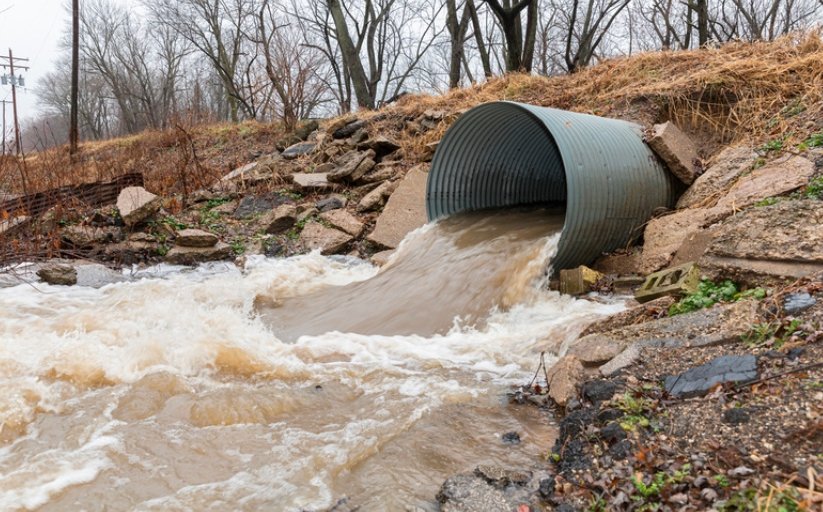
Recent heavy rains in Mesa County have put local culverts to the test, revealing limits in their ability to handle intense downpours. Officials say these structures work well for normal storms but struggle with extreme events, leading to flooding and road issues across the area.
Rising Rainfall Puts Pressure on Infrastructure
Mesa County has seen more frequent heavy rainfalls in recent years, pushing culverts beyond their design limits. A storm on September 12, 2025, dumped up to 3.5 inches of rain in some spots, far exceeding what most culverts can manage.
This amount qualifies as a 100-year storm event, meaning it has a one percent chance of happening in any given year. Culverts here are built to handle typical flows based on development standards, but rapid intense rain causes overflow and backups.
Carrie Gudorf, a manager with Mesa County Public Works, explained that engineers size culverts according to basin needs and county manuals. Yet, when rain falls too fast, water builds up quickly.
Climate trends show heavier storms across the U.S., including Colorado. Data from the National Weather Service indicates that extreme rainfall events have increased by about 20 percent in the West since the 1950s.
Debris and Maintenance Hurdles
Debris from storms often clogs culverts, making problems worse during heavy rain. Rocks, branches, and sediment block water flow, leading to backups and localized flooding.
County teams respond to complaints and maintain known trouble spots. They visit high-risk areas a few times each year to clear blockages and ensure functionality.
One common issue is in areas like Orchard Mesa, where drainage pipes fail to keep up, turning streets into temporary lakes after rains. Residents report these spots repeatedly, prompting quicker action from public works.
Maintenance crews use tools to remove buildup, but prevention remains key. Regular checks help, yet the growing intensity of storms demands more frequent efforts.
Design Limits and Hydrology Concerns
Culverts in Mesa County follow strict design rules to match natural stream flows. Making them larger could handle more rain, but it risks altering downstream hydrology.
Gudorf noted that changes must preserve the overall water movement in streams. Upsizing without care could disrupt ecosystems or cause erosion elsewhere.
Current designs aim for balance, handling everyday rains while fitting the landscape. However, with climate shifts bringing bigger storms, experts debate updates.
In places like New York, similar issues led to tools for resizing culverts based on future rainfall predictions. Mesa County could explore such approaches for long-term fixes.
| Recent Rainfall Events in Mesa County | Date | Rainfall Amount (inches) | Impact |
|---|---|---|---|
| September 12, 2025 | 3.5 | Flooding in multiple areas, road closures | |
| August 2024 | 2.8 | Minor backups, debris issues | |
| July 2023 | 4.1 | Widespread overflow, emergency responses |
Planned Projects for Better Protection
The county has improvement projects in the pipeline to address culvert weaknesses. These include upgrades to high-risk spots and better drainage systems.
Officials plan to enhance structures without major hydrology changes. Funding comes from local budgets and federal programs focused on resilient infrastructure.
One project targets frequent flood zones, aiming for completion by 2027. This will help reduce damage from future storms.
Residents can join community meetings to learn more and give input on these efforts.
Flood Insurance and Resident Tips
Mesa County participates in the National Flood Insurance Program, offering residents discounted policies. This coverage protects homes and property from flood damage.
With a community rating that earns discounts, many locals save on premiums. Experts recommend checking eligibility, especially in low-lying areas.
To stay safe during heavy rains:
- Avoid driving through flooded roads.
- Clear gutters and drains around your property.
- Monitor weather alerts from local sources.
- Consider elevating valuables in basements.
These steps can minimize risks and prepare for unexpected storms.
As Mesa County deals with these challenges, staying informed helps everyone. Share your experiences with culvert issues in the comments below, or pass this article to friends who might benefit from the tips.











Spotify Running Mode hits Android and revives its old tempo experiment

Galaxy Tab S12 Ultra Renders Keep the Notch Fans Hate

Novato Spinning Round House Sells With Six Neighbors for $3.3 Million

Crop Tour Finds Indiana and Nebraska Corn Yields Lagging 2025

Best Buy 60th sale brings Android deals back to its roots

American Airlines reverses seatback screen bet years too late

Iran Hormuz Strikes Force Gulf Oil Onto Costlier Paths

Plague Tale Prequel Day One Joins Game Pass Wave 2 as Witcher Exits

NBA 2K27 opens The City to everyone and rewrites career eras

iOS 26.6.1 Patches 29 Flaws as AI Forces Faster Apple Updates

Double Fine Cuts 23 Jobs Weeks After Xbox Independence

John Hight Exits Wizards After Digital Reckoning Hits

Day-One Big Walk Lifts PS Plus August Beyond Recycled AAA

Curtis Mead’s Red Sox Debut Ends With Fractured Wrist

Red Sox Squander Hot Streak Chance in 4-3 Loss to Athletics

Moesch and Dressel Rewrite Night One at 2026 U.S. Nationals

Boutte’s Quiet Camp Takeover Forces Patriots Receiver Choices

Take-Two CEO Pushes Netflix Subs for GTA 6 Extended Look

Halo Campaign Evolved Skulls Meet Death Barriers That Kill the Hunt

Wildlands Free Update Hands Players the Tools They Already Invented
-

 TECHNOLOGY3 years ago
How to Adjust a Bulova Watch Band – An Easy Guide
-

 News3 years ago
Fred Pentland: Athletic Bilbao’s English mentor who changed the essence of Spanish football
-

 FINANCE3 years ago
Tax Planning for Every Season: Guide to Maximizing Your Tax Benefits
-

 Education3 years ago
African Ministers New Education Plan
-

 BUSINESS3 years ago
What is Entrepreneurial Operating System? A Comprehensive Guide to EOS
-

 Education3 years ago
Innovate Your Learning Journey with Technology and Enhance Education
-

 BUSINESS3 years ago
Top 9 Most Expensive American Cities to Rent an Apartment
-

 News3 years ago
Russians formally out of World Athletics Championships