
News
Scientists Revive Lost Medieval Blue Ink

Portuguese researchers have successfully recreated a mysterious blue ink used in medieval manuscripts, following a 15th-century recipe. This breakthrough, announced in September 2025, revives a long-lost natural pigment called folium, offering new ways to preserve ancient texts and understand historical art.
The Ancient Recipe Rediscovered
Scientists at NOVA University in Lisbon uncovered the secret behind folium, a purplish-blue dye from the Middle Ages. They followed instructions from a 15th-century Portuguese manual written by a text illuminator.
The team spent years testing the recipe, which involves extracting color from the Chrozophora tinctoria plant, native to the Mediterranean region. This plant produces tiny fruits that yield the vibrant blue shade when processed correctly.
Their work builds on earlier studies from 2020, but recent advances in chemical analysis allowed a more precise recreation in 2025. Researchers confirmed the pigment’s structure, which had puzzled experts for centuries.
This discovery ties into ongoing efforts to revive forgotten natural dyes, amid growing interest in sustainable materials today.
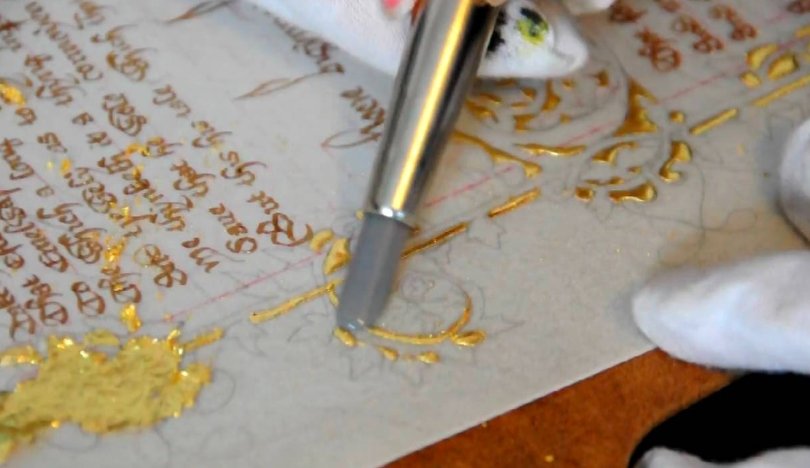
How to Make Medieval Blue Ink
The recipe starts with harvesting fruits from the Chrozophora tinctoria plant, also known as the giradol or turnsole. Workers crush the fruits and extract the juice, then mix it with other natural ingredients to stabilize the color.
Experts describe the process as simple yet precise, requiring specific timing and conditions to achieve the right hue. Unlike modern synthetic inks, this version relies entirely on plant-based elements.
Here are the key steps in the recreation process:
- Gather ripe fruits from the plant during late summer.
- Crush and soak the fruits in water to release the dye.
- Filter the mixture and add stabilizers like cloth or mild acids.
- Dry the extract to form a usable pigment for writing or painting.
Researchers tested the ink on paper, finding it matches samples from medieval books in color and durability.
Why This Pigment Vanished
Folium fell out of use by the 19th century as brighter, mineral-based blues like ultramarine became popular. These new colors were easier to produce and more stable, leading artists to abandon plant dyes.
Historians note that knowledge of natural inks faded during the Industrial Revolution, when factories prioritized synthetic options. Climate changes also made some source plants harder to find.
In recent years, events like the 2024 global push for eco-friendly materials have sparked renewed interest. This recreation aligns with trends in sustainable art supplies, seen in workshops and exhibitions worldwide.
The pigment’s unique properties set it apart. It changes shade slightly under different lights, adding a magical quality to illuminated manuscripts.
Impact on Art Conservation
Conservators now have a tool to identify and restore folium in old documents. This helps prevent fading and damage in priceless artifacts housed in museums.
The recreated ink allows for accurate repairs, ensuring colors stay true to the original. Experts predict this will aid in preserving texts from Europe, the Middle East, and beyond.
To show the differences, consider this comparison:
| Aspect | Medieval Folium Ink | Modern Synthetic Ink |
|---|---|---|
| Source | Plant extracts | Chemical compounds |
| Durability | Fades over time if exposed | Highly resistant to fading |
| Cost | Labor-intensive, variable | Mass-produced, affordable |
| Eco-Friendliness | Natural and biodegradable | Often petroleum-based |
| Color Variation | Purplish-blue, light-sensitive | Consistent bright blue |
This table highlights why reviving folium matters for both history and modern use.
Teams are already applying the knowledge to projects, like restoring a 14th-century Bible in Portugal.
Broader Implications for Today
This breakthrough opens doors for artists and scientists alike. Modern creators can experiment with natural inks in paintings, textiles, and even food coloring.
It also inspires education programs, with schools teaching medieval techniques in art classes. In 2025, amid climate concerns, such revivals promote sustainable practices over synthetic alternatives.
Researchers plan further studies on other lost colors, potentially uncovering more recipes from ancient texts.
What do you think about bringing back these ancient techniques? Share your thoughts in the comments and spread the word to fellow history buffs.













OpenAI Says Apple’s Trade Secret Lawsuit Lacks Any Merit

Lucid’s Bankruptcy Denial Can’t Quiet Wall Street’s Doubts

IBM Stock Suffers Its Worst Trading Day Since the 1987 Crash

Cheap Chinese AI Models Are Undercutting Anthropic and OpenAI

ASML’s AI Chip Forecast Lifts Futures, Deepens Market’s Big Bet

SK Hynix’s Nasdaq Shares Race Ahead of Seoul by Up to 51%

Meta Workers Sue Over AI Layoffs That Targeted Medical Leave

Taco Bell Pulls Lettuce as Michigan Cyclosporiasis Cases Top 3,300

PayPal’s Five-Year Slide Makes It a $53 Billion Target for Stripe

Mega Millions Jackpot Hits $672 Million, but Taxes Claim Nearly Half

Halo Studios Reverses PS Plus for Halo: Campaign Evolved on PS5

Black Ops 1 and 2 PS5 Ports: $40 Price Tag Has Fans Uneasy

Matt Brown Dismisses Rousey and Paul’s MVP MMA Ratings Win Over UFC

Star Wars: Galactic Racer Is a Roguelite Racer With a Podracing Skin

Julius Randle Traded to Nets as Wolves Reclaim Cap Space for Dosunmu

Sega’s $49.99 Sonic Classic and Modern Bundles Hit Switch in October

Colombia Edge DR Congo as Muñoz Books World Cup Knockout Place

Douze Dixièmes Closes Five Months After MIO: Memories in Orbit

Warriors Take Yaxel Lendeborg, the Oldest Pick in the 2026 NBA Draft

Meta’s Muse Image Lets Anyone Use Your Instagram Photos in AI
-

 TECHNOLOGY3 years ago
How to Adjust a Bulova Watch Band – An Easy Guide
-

 News3 years ago
Fred Pentland: Athletic Bilbao’s English mentor who changed the essence of Spanish football
-

 FINANCE3 years ago
Tax Planning for Every Season: Guide to Maximizing Your Tax Benefits
-

 Education3 years ago
African Ministers New Education Plan
-

 BUSINESS3 years ago
What is Entrepreneurial Operating System? A Comprehensive Guide to EOS
-

 Education3 years ago
Innovate Your Learning Journey with Technology and Enhance Education
-

 News3 years ago
Russians formally out of World Athletics Championships
-

 BUSINESS3 years ago
Top 9 Most Expensive American Cities to Rent an Apartment