
News
New Deep-Sea Snailfish Found Off California Coast

Scientists have discovered a new species of deep-sea snailfish called the bumpy snailfish off the California coast in the Pacific Ocean. This adorable pink fish, named Careproctus colliculi, was first spotted in 2019 at depths over 10,000 feet, and experts confirmed it as a unique species in 2025 through detailed lab analysis.
Discovery Sparks Excitement in Marine Science
Researchers from the Monterey Bay Aquarium Research Institute teamed up with experts from the State University of New York at Geneseo, the University of Montana, and the University of Hawaii at Manoa to make this find. They used advanced underwater robots during an expedition in Monterey Canyon, about 60 miles from California’s central coast.
The team sent a remotely operated vehicle named Doc Ricketts to explore the dark ocean floor. There, they captured footage of the small fish swimming just above the seafloor. This marked the first and only confirmed sighting so far, leaving many questions about its habits and range.
Experts sequenced the fish’s DNA and compared it to known snailfish species. Their work, published in a scientific journal this year, showed clear differences that set it apart. This breakthrough highlights how much remains unknown in the deep sea, even close to shore.
The discovery came amid growing interest in ocean exploration. With climate change affecting marine life, finds like this help track biodiversity in extreme environments.
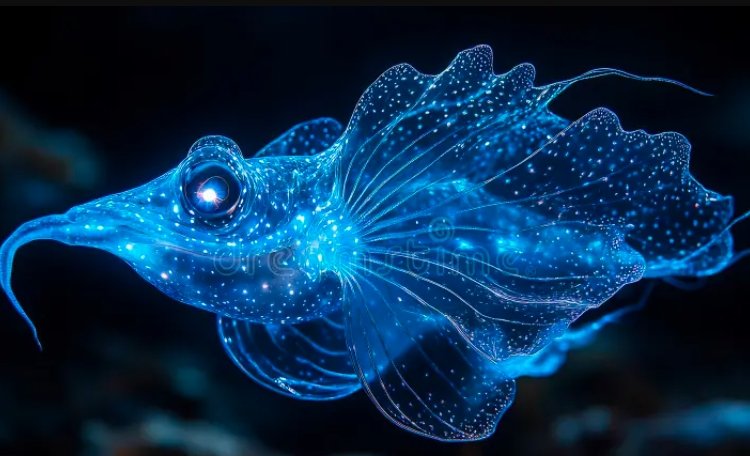
Meet the Adorable Bumpy Snailfish
The bumpy snailfish stands out with its pink skin, bumpy texture, and wide fins that help it move in the deep ocean. It measures about 3.6 inches long and has a large head with what some call a “lovely little smile.”
Unlike scary deep-sea creatures, this fish charms experts and the public. One marine biologist described it as “pretty adorable,” proving the abyss holds cute surprises too.
Its body adapts to crushing pressures at depths up to 13,000 feet. The fish likely feeds on small seafloor animals, but scientists need more sightings to confirm its diet and behavior.
Public reaction has been strong online, with social media buzzing about its cute look. Posts compare it to cartoon characters, boosting interest in deep-sea conservation.
Technology Behind the Deep-Sea Find
Advanced tools made this discovery possible. The research vessel Western Flyer carried the team to the site, where they deployed the Doc Ricketts vehicle equipped with cameras and collection arms.
This tech allowed safe exploration without human divers facing extreme depths. Over the years, similar robots have uncovered many ocean secrets, from new species to ancient shipwrecks.
The expedition in 2019 was part of ongoing efforts to map Monterey Canyon, one of the deepest spots near the U.S. coast. Data from these missions helps understand how deep-sea life survives in cold, dark conditions.
Recent upgrades in underwater imaging have improved clarity, letting scientists spot tiny details like the fish’s unique bumps. This progress ties into broader tech trends, such as AI used in analyzing ocean footage.
Funding from grants and institutes supports these missions. They show how teamwork between universities and research groups drives marine discoveries.
| Feature | Description |
|---|---|
| Depth Range | 10,000 to 13,000 feet |
| Size | About 3.6 inches |
| Color | Pink |
| Unique Traits | Bumpy skin, wide fins, large head |
| Habitat | Monterey Canyon seafloor |
Three New Species Emerge from the Depths
This find is not alone. The same expedition revealed two more new snailfish species: the dark snailfish and the sleek snailfish. All three thrive in the same deep Pacific waters.
The dark snailfish has a shadowy hue that blends with the ocean floor. It shares the bumpy one’s adaptability but differs in fin shape and size.
The sleek snailfish features a smooth body and long rays, aiding quick movements in low-light areas. Experts named these based on physical traits observed in lab studies.
Together, these discoveries expand the known snailfish family. Over 400 snailfish species exist worldwide, many in cold, deep waters.
- Bumpy snailfish: Pink and textured, with a friendly appearance.
- Dark snailfish: Shadowy color for camouflage.
- Sleek snailfish: Smooth body for efficient swimming.
This trio underscores the diversity hidden in California’s offshore canyons. It also links to recent finds in other oceans, like new species off Japan in 2024.
What This Means for Ocean Research
Finding these fish boosts knowledge of deep-sea ecosystems. They show how life adapts to harsh conditions, which could inform studies on climate impacts like warming waters.
Experts predict more discoveries as technology advances. With only a fraction of the ocean explored, similar finds could reveal clues about evolution and biodiversity.
Conservation efforts gain from this too. Protecting deep-sea habitats from pollution and mining becomes crucial as human activities reach farther.
The bumpy snailfish story has gone viral, drawing public support for marine science. It reminds us that exploration can uncover wonders right in our backyard.
Reactions from Experts and the Public
Marine biologists express joy over the find. One lead researcher noted its smile-like feature makes it a standout among deep-sea species.
Online, people share videos and memes, calling it the “cutest fish ever.” This buzz helps fund future expeditions through increased awareness.
Comparisons to past discoveries, like the blobfish in 2023, show a trend of “ugly-cute” ocean animals gaining fame. It ties into global events, such as the UN’s ocean decade initiative running through 2030.
Overall, this discovery celebrates the ocean’s mysteries and the need to protect them.
Share your thoughts on this deep-sea cutie in the comments below, and spread the word to friends who love ocean news. Your engagement helps highlight important science stories like this one.













Spotify Running Mode hits Android and revives its old tempo experiment

Galaxy Tab S12 Ultra Renders Keep the Notch Fans Hate

Novato Spinning Round House Sells With Six Neighbors for $3.3 Million

Crop Tour Finds Indiana and Nebraska Corn Yields Lagging 2025

Best Buy 60th sale brings Android deals back to its roots

American Airlines reverses seatback screen bet years too late

Iran Hormuz Strikes Force Gulf Oil Onto Costlier Paths

Plague Tale Prequel Day One Joins Game Pass Wave 2 as Witcher Exits

NBA 2K27 opens The City to everyone and rewrites career eras

iOS 26.6.1 Patches 29 Flaws as AI Forces Faster Apple Updates

Double Fine Cuts 23 Jobs Weeks After Xbox Independence

Day-One Big Walk Lifts PS Plus August Beyond Recycled AAA

John Hight Exits Wizards After Digital Reckoning Hits

Curtis Mead’s Red Sox Debut Ends With Fractured Wrist

Moesch and Dressel Rewrite Night One at 2026 U.S. Nationals

Red Sox Squander Hot Streak Chance in 4-3 Loss to Athletics

Boutte’s Quiet Camp Takeover Forces Patriots Receiver Choices

Take-Two CEO Pushes Netflix Subs for GTA 6 Extended Look

Halo Campaign Evolved Skulls Meet Death Barriers That Kill the Hunt

Wildlands Free Update Hands Players the Tools They Already Invented
-

 TECHNOLOGY3 years ago
How to Adjust a Bulova Watch Band – An Easy Guide
-

 News3 years ago
Fred Pentland: Athletic Bilbao’s English mentor who changed the essence of Spanish football
-

 FINANCE3 years ago
Tax Planning for Every Season: Guide to Maximizing Your Tax Benefits
-

 Education3 years ago
African Ministers New Education Plan
-

 BUSINESS3 years ago
What is Entrepreneurial Operating System? A Comprehensive Guide to EOS
-

 Education3 years ago
Innovate Your Learning Journey with Technology and Enhance Education
-

 News3 years ago
Russians formally out of World Athletics Championships
-

 BUSINESS3 years ago
Top 9 Most Expensive American Cities to Rent an Apartment