
News
CMU Proposes Stocker Stadium Upgrades in Grand Junction

Grand Junction city leaders met with Colorado Mesa University officials on September 15, 2025, to discuss a new proposal for improving Stocker Stadium. The plan aims to boost facilities for the university’s football team and the local community, marking a key step in early talks that could reshape college sports in the area.
This move comes as CMU celebrates its 100th year, with university leaders pushing to match investments made by rival schools in the Rocky Mountain Athletic Conference. President John Marshall highlighted the need to elevate the football program, which has been part of the school since its start.
Details of the Proposed Improvements
The proposal focuses on modernizing Stocker Stadium to better support athletes and fans. University officials want to add elevated structures and new spaces that address current shortcomings.
Key elements include building dedicated locker rooms, film review areas, and offices for coaches. These changes would help the team train and prepare more effectively, bringing the stadium up to par with competitors.
Marshall noted that similar upgrades have happened across the conference in recent years. He stressed that every sport at CMU deserves attention, but football holds special meaning as the longest-running program.
The improvements could also enhance safety and accessibility, drawing from past projects at the stadium. For instance, earlier renovations fixed seating and added tech features, setting a foundation for this new phase.
History of Stocker Stadium and Past Changes
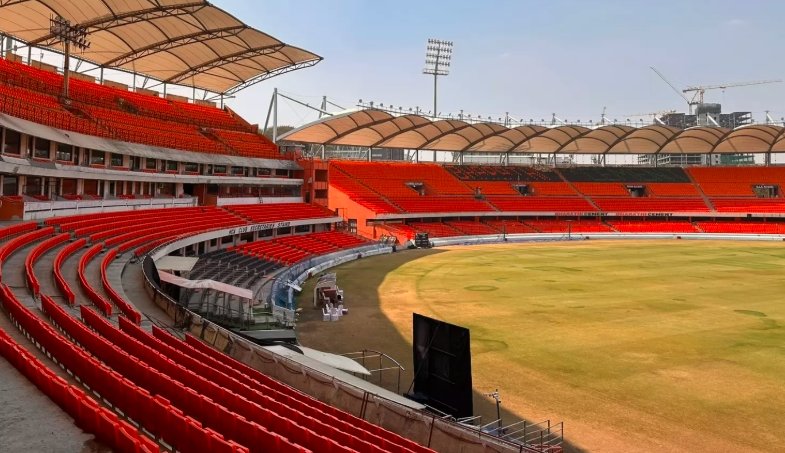
Stocker Stadium, opened in 1949, serves as home to CMU’s football team and local high school events. With a capacity of 8,000 seats, it sits in the Lincoln Park Sports Complex next to Suplizio Field.
Over the years, the stadium has seen several updates to keep it functional. A major renovation in 2011 and 2012 cost $8.3 million, replacing bleachers and adding a press box. More work in 2021 improved the track and other areas, funded partly by the city.
These efforts show a pattern of investment, but CMU leaders say more is needed now. The stadium hosts not just games but also community gatherings, like tributes to first responders planned for the 2025 season opener on September 6.
In 2020, the track was replaced after reaching the end of its life, according to city parks officials. Such history underscores why the current proposal matters, as it builds on decades of gradual enhancements.
Here’s a quick look at major past renovations:
| Year | Key Changes | Cost (Approximate) |
|---|---|---|
| 2011-2012 | New bleachers, press box, accessible mezzanine | $8.3 million |
| 2020 | Track replacement | Not specified |
| 2021 | Stadium complex upgrades, including track closure for work | Part of $10 million project |
This table highlights how investments have evolved, paving the way for the 2025 proposal.
Benefits for Students and the Community
Upgrades would directly help CMU students and athletes by providing better resources. Marshall pointed out that modern facilities could improve recruitment and performance, keeping the team competitive.
Beyond the university, the changes promise wider community gains. Grand Junction residents already support local sports strongly, and enhanced venues could draw more visitors and events.
Improved stadium features might boost local economy through increased attendance at games and ceremonies. For example, the 2025 football season includes events like honoring veterans on September 6, which could see bigger crowds with better amenities.
Community leaders see this as a way to strengthen ties between the city and university. Talks are exploring how these improvements fit into broader goals for sports and recreation in the area.
- Enhanced locker rooms for better athlete preparation
- New film rooms to review game strategies
- Coaches’ offices for improved team management
- Potential for more community events and economic growth
These points show the practical advantages, from daily use to long-term community pride.
Next Steps in the Proposal Process
Talks between CMU and the city are still early, with no firm timeline or budget set yet. Marshall said the goal now is to gauge interest and gather feedback from council members.
Future meetings could refine the plan, possibly including cost estimates and funding sources. The university hopes to align this with its centennial celebrations, making 2025 a pivotal year.
City officials have not committed, but the discussion reflects growing interest in sports infrastructure. Similar projects in other Colorado areas, like recent stadium refreshes in Denver, offer models for what might come next.
As details emerge, residents can watch for updates on how this could shape Grand Junction’s sports scene.
What do you think about these potential stadium improvements? Share your thoughts in the comments below, and pass this article along to fellow sports fans in the community.








Spotify Running Mode hits Android and revives its old tempo experiment

Galaxy Tab S12 Ultra Renders Keep the Notch Fans Hate

Novato Spinning Round House Sells With Six Neighbors for $3.3 Million

Crop Tour Finds Indiana and Nebraska Corn Yields Lagging 2025

Best Buy 60th sale brings Android deals back to its roots

American Airlines reverses seatback screen bet years too late

Iran Hormuz Strikes Force Gulf Oil Onto Costlier Paths

Plague Tale Prequel Day One Joins Game Pass Wave 2 as Witcher Exits

NBA 2K27 opens The City to everyone and rewrites career eras

iOS 26.6.1 Patches 29 Flaws as AI Forces Faster Apple Updates

Double Fine Cuts 23 Jobs Weeks After Xbox Independence

Day-One Big Walk Lifts PS Plus August Beyond Recycled AAA

John Hight Exits Wizards After Digital Reckoning Hits

Curtis Mead’s Red Sox Debut Ends With Fractured Wrist

Moesch and Dressel Rewrite Night One at 2026 U.S. Nationals

Red Sox Squander Hot Streak Chance in 4-3 Loss to Athletics

Boutte’s Quiet Camp Takeover Forces Patriots Receiver Choices

Take-Two CEO Pushes Netflix Subs for GTA 6 Extended Look

Halo Campaign Evolved Skulls Meet Death Barriers That Kill the Hunt

Wildlands Free Update Hands Players the Tools They Already Invented
-

 TECHNOLOGY3 years ago
How to Adjust a Bulova Watch Band – An Easy Guide
-

 News3 years ago
Fred Pentland: Athletic Bilbao’s English mentor who changed the essence of Spanish football
-

 FINANCE3 years ago
Tax Planning for Every Season: Guide to Maximizing Your Tax Benefits
-

 Education3 years ago
African Ministers New Education Plan
-

 BUSINESS3 years ago
What is Entrepreneurial Operating System? A Comprehensive Guide to EOS
-

 Education3 years ago
Innovate Your Learning Journey with Technology and Enhance Education
-

 News3 years ago
Russians formally out of World Athletics Championships
-

 BUSINESS3 years ago
Top 9 Most Expensive American Cities to Rent an Apartment