
News
Boston Dig Uncovers Bunker Hill Secrets

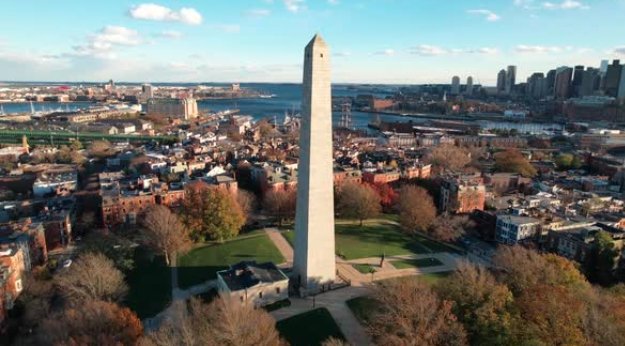
Archaeologists in Boston have started digging up the lost world of Charlestown, a neighborhood wiped out by fire during the Battle of Bunker Hill in 1775. As the city marks the 250th anniversary of this key Revolutionary War clash, teams are pulling out everyday items that paint a clear picture of life before the flames took hold.
The work focuses on the human side of history. Experts from the City of Boston Archaeology Program lead the effort to spotlight stories often left out of the big tales of battles and heroes.
The Flames That Shaped Charlestown
British forces lit up Charlestown with hot cannonballs on June 17, 1775, to clear the way for their attack. The fire spread fast and burned most of the wooden buildings to the ground. Over 300 structures turned to ash, leaving thousands of people without homes or belongings.
Residents fled in panic as smoke filled the air. Many never came back to rebuild, choosing spots farther out in Massachusetts or New England instead. This event forced big changes in the area and marked a turning point in the fight for independence.
The battle itself saw American forces hold off the British twice before running low on ammo. It boosted morale for the colonies even though they lost the hill. Now, 250 years later, digs help connect that day to the people caught in the middle.
Major Finds from Recent Excavations
Teams have turned up hundreds of artifacts since summer digs kicked off. These items give a snapshot of daily life in colonial times. Pottery pieces, tools, and even bits of kilns show how locals made goods right in their backyards.
One standout spot is the ruins of Three Craves Tavern. Experts call it Boston’s own Pompeii because the owners buried broken dishes, glasses, and other charred goods in the foundation instead of fixing it up. This sealed in a time capsule from the 1700s.
Cannonballs and metal scraps link straight to the battle. Soil layers reveal layers of history, from Native American times to the Revolution. Volunteers sift through dirt at sites like backyards and parks, finding clues step by step.
Here are some key artifacts uncovered so far:
- Broken pottery from workshops that supplied the town.
- Charred wood and nails from burned homes.
- Personal items like buttons and pipe stems used by everyday folks.
- Fragments of glassware from the tavern’s lively days.
These finds help experts date and place events with more detail.
Piecing Together Lost Possessions
Historical papers add depth to the digs. Researchers have gone through old archives to transcribe claims from 586 Charlestown residents. These lists detail what people lost in the fire, from furniture to clothing and tools.
One claim might note a lost bedstead and linens, while another tallies up farm animals and plows. These documents act like guides for archaeologists. They know what to hunt for in the ground, making each dig more targeted.
The claims come from 1776, filed after folks settled elsewhere. Many show the hard hits to working families. This work uncovers not just objects but the real struggles of recovery after disaster.
Experts cross-check these lists with maps from 1775. They rebuilt property lines to match old deeds. This lets them target spots where certain homes stood, boosting the chances of big discoveries.
Highlighting Hidden Lives in History
The projects shine light on groups often skipped in history books. Women ran shops and homes, while children helped with chores. Disabled folks, enslaved people, Black residents, and Indigenous families all shaped the neighborhood.
Digs aim to find traces of their daily routines. For instance, small toys or sewing tools point to family life. Enslaved workers left behind simple items that tell of tough conditions.
This focus builds a fuller story of the Revolution. It shows how the war touched everyone, not just soldiers. Scholars hope these efforts inspire new views on America’s founding.
Recent events tie in too. A federal grant from years back digitized old collections, aiding today’s work. Plus, talks and reenactments around the anniversary draw crowds to learn more.
| Site Name | Key Features Dug | Artifacts Found | Connection to Battle |
|---|---|---|---|
| Three Craves Tavern | Buried foundation with sealed goods | Dishes, glasses, charred wood | Destroyed by fire; not rebuilt |
| Edwards Playground | Backyard-style trenches | Pottery shards, tools | Near original homes burned in 1775 |
| Harvard Mall | Church replacement site | Metal scraps, soil layers | Post-battle rebuild efforts |
| City Square Park | Older colonial layers | Cannonball fragments, pipes | Linked to Big Dig finds from 1600s-1700s |
This table outlines main dig spots and their ties to the past.
Looking Ahead to More Revelations
Plans call for more surveys through 2025. Teams will hit new areas like the Training Field to map the old redoubt fort. Public labs let folks watch the sorting process downtown.
Neighborhood input shapes the choices. Owners can suggest their lots for checks. This keeps the work tied to local roots.
As the anniversary nears, expect bigger events. Reenactments and exhibits will share the finds. These steps ensure the stories of Charlestown’s people live on.
The digs remind us history is more than dates. They solve puzzles about lost lives and invite us to reflect on freedom’s cost. Share your thoughts in the comments below and spread the word about this exciting chapter in Boston’s past.













Halo Campaign Evolved Skulls Meet Death Barriers That Kill the Hunt

Spotify Running Mode Returns After the 2015 Experiment Failed

Amazon AWS Hits Fastest Growth in Years as AI Spend Pays Off

Amazon Bets Platform Beats Models in the AI Race

Apple C2 Modem Edges Into iPhone 18 Pro After Qualcomm Drop

Google Earth Adds Nano Banana 2 to Reimagine Real Places

Apple Upgrade Turns Phones Into Monthly Utility Bills

Asha Sharma Bets Xbox Growth on Console and Four C’s

MacBook Ultra Design Follows Apple’s Familiar Cascade Path

TAG Heuer Carrera x Team Ikuzawa Revives 1970s Roadmaster Stopwatch DNA

Pokémon GO Developer Niantic Rebrands as Scopely Explore

Jaylen Brown Traded to 76ers for Paul George and Four Draft Picks

Persona 4 Revival Hands All Anime Cutscenes to Studio MAPPA

Doom Studio id Software Cuts Half Its Staff in Xbox Layoffs

Nintendo Switch Online Adds Four Classics and One Japan-Only Title

Jordan Henderson Hospitalized After Wrist Injury at the Azteca

Mexico’s World Cup Run Ends at Azteca as England Hold On 3-2

Meta’s Muse Image Lets Anyone Use Your Instagram Photos in AI

Louis Vuitton Beats Molly Tea in China, Triggers Cultural Backlash

Pink Bearista Cup Returns July 13 as Starbucks Pink Vibes Drops
-

 TECHNOLOGY3 years ago
How to Adjust a Bulova Watch Band – An Easy Guide
-

 News3 years ago
Fred Pentland: Athletic Bilbao’s English mentor who changed the essence of Spanish football
-

 FINANCE3 years ago
Tax Planning for Every Season: Guide to Maximizing Your Tax Benefits
-

 Education3 years ago
African Ministers New Education Plan
-

 BUSINESS3 years ago
What is Entrepreneurial Operating System? A Comprehensive Guide to EOS
-

 Education3 years ago
Innovate Your Learning Journey with Technology and Enhance Education
-

 News3 years ago
Russians formally out of World Athletics Championships
-

 BUSINESS3 years ago
Top 9 Most Expensive American Cities to Rent an Apartment