
News
Engineered Fungus Traps and Kills Deadly Mosquitoes

Scientists at the University of Maryland and Zhejiang University have created a genetically modified fungus that draws in mosquitoes with a sweet scent and then wipes them out. This breakthrough, detailed in a recent study, offers a fresh way to fight diseases like malaria and dengue that kill hundreds of thousands each year.
The fungus, called Metarhizium, naturally kills insects by invading their bodies with deadly spores. But researchers boosted it to release a floral smell called longifolene ahead of time, turning it into an irresistible trap for the bloodsucking pests.
The Science Behind the Mosquito Trap
Mosquitoes rely on flower scents to find nectar for energy. They often mistake certain fungi for blooms because of similar smells. In this case, the team focused on Metarhizium, a fungus already known for controlling bugs in farms and homes.
To make it more effective, experts inserted a gene from pine trees into the fungus. This change lets it produce large amounts of longifolene, a compound with a woody and sweet aroma that mosquitoes love. The modified version grows on simple materials like wheat and rice, making it cheap to produce.
In tests, the fungus stayed active for weeks in traps shaped like small squares. Mosquitoes landed on them, picked up spores, and died within days as the fungus spread inside their bodies. This method avoids harsh chemicals that harm the environment and build resistance in insects.
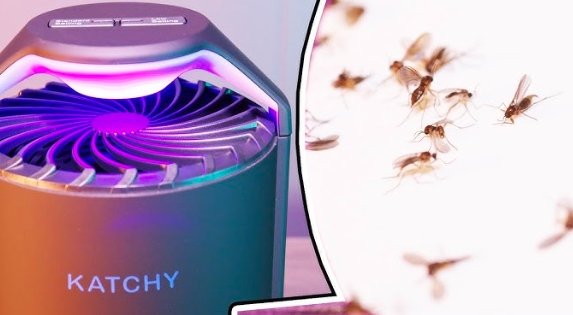
Impressive Results from Lab Experiments
Early trials showed stunning success. In a room setup mimicking real life, the traps caught and killed between 90 and 100 percent of mosquitoes. Even with competing smells from humans or actual flowers nearby, the fungus still worked well.
One key test involved Asian tiger mosquitoes, which spread viruses like Zika. Over five days, half died right away, and the rest followed soon after. Similar outcomes came for malaria carriers like Anopheles and common house mosquitoes like Culex.
Researchers noted the fungus does not affect bees or other helpful insects much. It targets mosquitoes specifically, which helps keep ecosystems balanced. These findings build on past work where the same fungus was tweaked with spider toxins for faster kills in Africa.
Here are some standout benefits of this approach:
- Eco-friendly: No toxic sprays that pollute water or soil.
- Cost-effective: Grows on basic grains, easy to deploy in poor areas.
- Long-lasting: Traps remain potent for months without recharging.
- Resistance-proof: Uses natural infection, not chemicals bugs can dodge.
Global Health Wins on the Horizon
Mosquitoes cause over 700,000 deaths yearly from diseases they carry. In places like Africa and Asia, malaria alone hits millions. This fungus could cut those numbers by reducing mosquito populations without upsetting daily life.
Experts see it fitting into current efforts, like spraying homes or using bed nets. In Burkina Faso trials years ago, similar fungi reduced bites by 75 percent. Now, with the scent upgrade, it might do even better in hot, humid spots where mosquitoes thrive.
Linking to recent events, a big dengue outbreak in the Americas this year killed thousands. Tools like this could prevent repeats by targeting breeding grounds naturally. Plus, as climate change spreads mosquitoes to new areas, including parts of Europe and the US, such innovations become vital.
To compare old and new methods, check this table:
| Method | Effectiveness | Environmental Impact | Cost | Resistance Risk |
|---|---|---|---|---|
| Chemical Sprays | 70-80% | High (pollutes water) | Medium | High |
| Bed Nets | 50-70% | Low | Low | Medium |
| Engineered Fungus | 90-100% | Low | Low | Low |
The table highlights why the fungus stands out as a game-changer.
Hurdles and Next Steps Ahead
While promising, challenges remain. Field tests in real villages are needed to see if it works outside labs. Wind or rain might spread spores too far or wash them away. Safety checks ensure it stays harmless to people and animals.
Teams plan trials in mosquito-heavy regions soon. Funding from health groups could speed things up. If successful, it might roll out by late 2026, helping communities fight back against these tiny killers.
This story has sparked talks online and in science circles. Share your thoughts on mosquito control in the comments below, and pass this article to friends facing bug problems.













Spotify Running Mode hits Android and revives its old tempo experiment

Galaxy Tab S12 Ultra Renders Keep the Notch Fans Hate

Novato Spinning Round House Sells With Six Neighbors for $3.3 Million

Crop Tour Finds Indiana and Nebraska Corn Yields Lagging 2025

Best Buy 60th sale brings Android deals back to its roots

American Airlines reverses seatback screen bet years too late

Iran Hormuz Strikes Force Gulf Oil Onto Costlier Paths

Plague Tale Prequel Day One Joins Game Pass Wave 2 as Witcher Exits

NBA 2K27 opens The City to everyone and rewrites career eras

iOS 26.6.1 Patches 29 Flaws as AI Forces Faster Apple Updates

Double Fine Cuts 23 Jobs Weeks After Xbox Independence

Day-One Big Walk Lifts PS Plus August Beyond Recycled AAA

John Hight Exits Wizards After Digital Reckoning Hits

Curtis Mead’s Red Sox Debut Ends With Fractured Wrist

Moesch and Dressel Rewrite Night One at 2026 U.S. Nationals

Red Sox Squander Hot Streak Chance in 4-3 Loss to Athletics

Boutte’s Quiet Camp Takeover Forces Patriots Receiver Choices

Take-Two CEO Pushes Netflix Subs for GTA 6 Extended Look

Halo Campaign Evolved Skulls Meet Death Barriers That Kill the Hunt

Wildlands Free Update Hands Players the Tools They Already Invented
-

 TECHNOLOGY3 years ago
How to Adjust a Bulova Watch Band – An Easy Guide
-

 News3 years ago
Fred Pentland: Athletic Bilbao’s English mentor who changed the essence of Spanish football
-

 FINANCE3 years ago
Tax Planning for Every Season: Guide to Maximizing Your Tax Benefits
-

 Education3 years ago
African Ministers New Education Plan
-

 BUSINESS3 years ago
What is Entrepreneurial Operating System? A Comprehensive Guide to EOS
-

 Education3 years ago
Innovate Your Learning Journey with Technology and Enhance Education
-

 News3 years ago
Russians formally out of World Athletics Championships
-

 BUSINESS3 years ago
Top 9 Most Expensive American Cities to Rent an Apartment