
News
Kids Thrill in LEGO League Coding Competition

Hundreds of students from 4th through 8th grade gathered at Fruita Monument High School in Grand Junction, Colorado, on November 15, 2025, for the FIRST LEGO League qualifier tournament. Teams from School District 51 and nearby areas presented research projects and battled with their custom robots, focusing on coding and teamwork to solve real world problems.
Event Highlights and Participation
The tournament drew about 45 teams, giving nearly 450 children a chance to shine in STEM activities. This yearly event, now in its tenth year, receives strong backing from the D51 Foundation and Chevron, making it a key tradition in the region. Students spent months preparing, building robots from LEGO pieces and coding them to handle specific tasks.
Families and volunteers filled the school gym, creating an exciting atmosphere full of cheers and high fives. Organizers noted the growth in participation, with teams coming from outside the district to join the fun. This qualifier is part of a larger series across Colorado, where similar events happened in places like Poudre and Loveland earlier in November.
The day started early at 8 a.m. and wrapped up by 5 p.m., allowing time for practice, judging, and final matches. Parents watched as kids explained their innovations to judges, showing how they applied science and engineering to everyday challenges.
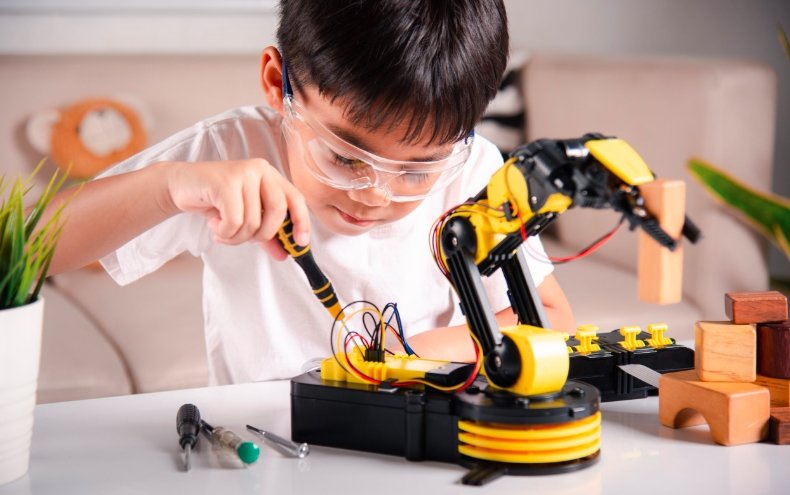
The UNEARTHED Theme: Digging into Archaeology
This seasons challenge, called UNEARTHED, takes teams on an adventure through archaeology and history. Kids explore hidden treasures and ancient artifacts, learning how to uncover the past while thinking about future innovations. The theme encourages research into real sites and tools used by archaeologists today.
Teams must identify a problem related to preserving history or digging up lost knowledge. They then design solutions, like better ways to map ruins or protect relics from damage. Judges evaluate these projects based on creativity, research depth, and practical impact.
In Grand Junction, one team focused on using drones to scan old Colorado mining sites without disturbing the ground. Such ideas tie into broader trends, like recent discoveries in the Southwest that reveal Native American history. This hands on approach helps students connect classroom lessons to global issues.
Robot Missions and Competition Format
After project judging, teams moved to robot games, where they coded their machines to complete missions on a special mat. Robots had to pick up objects, navigate obstacles, and score points by placing items in zones. Each match lasted two and a half minutes, testing speed and accuracy.
The format included two practice runs to iron out bugs, followed by three scored competitions. Teams earned points for successful actions, with the highest scores determining advancement. Common missions involved moving LEGO bricks to represent artifacts or knocking over barriers to simulate excavation.
Here are some key mission types from the UNEARTHED game:
- Retrieve buried samples from a dig site without breaking them.
- Transport tools to a work area using precise paths.
- Score by aligning robot attachments with target zones.
- Avoid hazards like unstable ground to prevent point loss.
This setup builds coding skills, as students program commands for sensors and motors. Errors in code could mean a robot veers off course, adding tension to every run.
| Competition Stage | Description | Duration |
|---|---|---|
| Project Judging | Teams present solutions to archaeology problems | 5-10 minutes per team |
| Practice Matches | Test robots without scoring | 2 runs, 2.5 minutes each |
| Scored Matches | Official rounds for points | 3 runs, 2.5 minutes each |
| Awards Ceremony | Recognize top performers | End of day |
The table above outlines the main phases, showing how the event balances preparation and performance.
Top Teams Advance to State Level
Excitement peaked as scores tallied up, with the top nine teams earning spots at the state championship. Leading the pack was Team 53532, the Robot Rookies, who posted an impressive best score of 275 points across their matches. Other strong performers included teams that excelled in both robot handling and project innovation.
Advancing squads will head to the Colorado state event later this month, competing against winners from qualifiers statewide. Past state champs have gone on to national festivals, where they face teams from over 110 countries. This years global participation tops 679,000 students, highlighting the programs reach.
Local teams celebrated their wins with group hugs and plans for more practice. One coach shared how her groups breakthrough came from tweaking code during lunch, a reminder of the events focus on learning through trial and error.
Benefits of FIRST LEGO League for Young Learners
Participation in FIRST LEGO League goes beyond competition, fostering skills that last a lifetime. Kids gain confidence in coding and engineering, often starting from basics like simple loops to complex sensor integrations. Collaboration shines as team members divide roles, from builders to programmers.
Studies show these programs boost interest in STEM careers, with many alumni pursuing tech fields. In Colorado alone, over 6,000 students join robotics events yearly, supported by thousands of volunteers. Events like this one also teach resilience, as robots fail and teams adapt on the spot.
Parents appreciate how it encourages problem solving in a fun way. One recent survey found 90 percent of participants improved their teamwork abilities. Plus, tying into themes like UNEARTHED connects history with modern tech, sparking curiosity about the world.
The tournament wrapped with awards and inspiration for next season. If you enjoyed reading about these young innovators, share your thoughts in the comments below and spread the word to friends who love STEM stories.











iPhone 18 Pro Price Hike Hands Wins to Memory Makers

Apple Lifts Trade-In Credits Ahead of Costly iPhone 18 Cycle

Hisense Ships Dolby Vision 2 First and the Brightness Catch

Quake Gets 19 Free Maps From MachineGames Quake Club

SpaceX Moon Factories Aim to Break Earth’s AI Limits

OpenAI Bets $300 Donut Speaker Can Beat Smart Home Economics

Marantz Cinema Series 2 Puts Dirac and FreeSync on Midrange Boxes

AirPods Pro 3 Hit $190 as Camera Models Loom Pricier

Ford Places Its $30K Fathom Bet on a New Production Era

Seiko Wraps Its Speedtimer in Edo Purple for 145 Years

SpaceX Preps Starship Flight 13 to Fix Its Booster Failure

PS5 Adds a Weekly Wrap-Up Widget While Recently Played Stays Broken

Tears of the Kingdom Fans Trap Ganondorf in a Never-Ending Hamster Wheel

ZA/UM Lays Off 32 Staff as Zero Parades Wins Reviews, Not Players

EA’s New In-Game Ad Platform Skips the Games That Need It Most

Wall Street’s SpaceX and Merger Fee Boom Comes With a Catch

Pentagon Suspends CMMC Phase 2, Relieving Small Firms, Straining Assessors

Mortgage Rates Climb to 6.55%, the Highest Level in Nearly a Year

Colorado’s New Law Makes Automakers Own Dead EV Batteries

Perseid Meteor Shower Begins This Week Under a Rare Earthshine Moon
-

 TECHNOLOGY3 years ago
How to Adjust a Bulova Watch Band – An Easy Guide
-

 News3 years ago
Fred Pentland: Athletic Bilbao’s English mentor who changed the essence of Spanish football
-

 FINANCE3 years ago
Tax Planning for Every Season: Guide to Maximizing Your Tax Benefits
-

 Education3 years ago
African Ministers New Education Plan
-

 BUSINESS3 years ago
What is Entrepreneurial Operating System? A Comprehensive Guide to EOS
-

 Education3 years ago
Innovate Your Learning Journey with Technology and Enhance Education
-

 News3 years ago
Russians formally out of World Athletics Championships
-

 BUSINESS3 years ago
Top 9 Most Expensive American Cities to Rent an Apartment