
News
Ancient Ram Teapot Found Near Armageddon

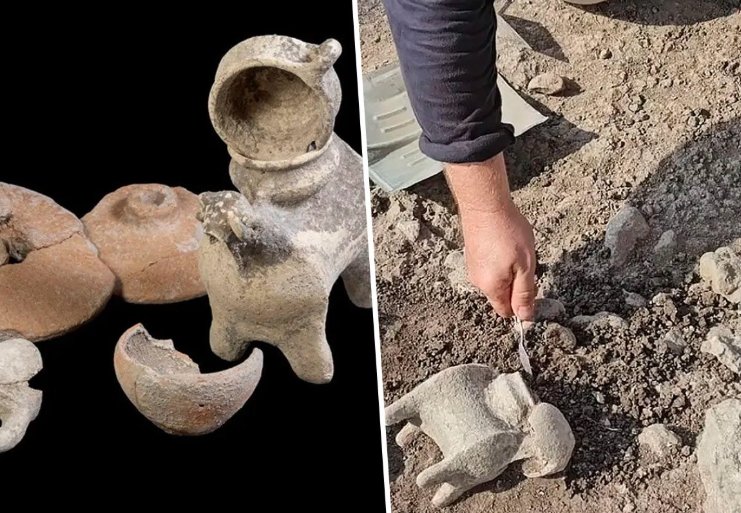
Archaeologists in Israel have uncovered a 3,300-year-old Canaanite teapot shaped like a ram near Tel Megiddo, the biblical site known as Armageddon. This discovery, made during roadwork preparations, also includes a 5,000-year-old winepress and ritual items that reveal secrets of ancient Bronze Age life.
Unearthing Treasures in Northern Israel
Excavations started ahead of Highway 66 expansion in the Jezreel Valley. The Israel Antiquities Authority led the dig, finding items buried for thousands of years.
These finds happened in early November 2025. Workers spotted unusual shapes in the soil, prompting experts to step in. The site sits near Tel Megiddo, a hill with layers of history from ancient cities.
The team worked carefully to preserve the artifacts. They used brushes and small tools to avoid damage. This method helped reveal the ram teapot in near-perfect condition.
Local communities showed interest in the dig. Some residents visited the site, eager to learn about their region’s past.
Artifacts from the Bronze Age
The star find is the ram-shaped teapot from the Late Bronze Age. It measures about the size of a small jug and features a spout shaped like a ram’s mouth.
Experts believe people used it for rituals. They poured liquids like milk, oil, or wine through the spout into bowls as offerings to gods.
Alongside it, archaeologists found a tiny model of a Canaanite temple. This dollhouse-like item includes detailed columns and walls, showing how ancient shrines looked.
A much older winepress dates back 5,000 years. Carved into bedrock, it has channels for crushing grapes and collecting juice.
Remains of homes around the winepress suggest a busy settlement. People likely made wine for trade or ceremonies.
Insights into Canaanite Daily Life
Canaanites lived in the region now called Israel during the Bronze Age. They worshiped multiple gods and built temples on hills.
The ram teapot links to animal symbols in their faith. Rams stood for strength and fertility in many ancient cultures.
Ritual offerings played a big role. People left gifts in pits or temples to seek favor from deities.
The winepress shows early farming skills. Wine was key for meals, trade, and religious events.
- Key Canaanite practices included animal sacrifices and festivals tied to harvests.
- Artifacts like these help connect Bible stories to real history.
- Similar finds in nearby sites confirm widespread rituals.
This discovery ties into broader patterns. Recent digs in the Levant have uncovered more Bronze Age items, painting a fuller picture of the era.
Historical Context and Biblical Ties
Tel Megiddo appears in the Bible as Armageddon, a place of epic battles. The name comes from Greek, meaning “mountain of Megiddo.”
The site saw many conflicts over centuries. Kings and armies fought there for control of trade routes.
These artifacts predate those events by millennia. They show life before Israelite kingdoms rose.
Experts note how Canaanite ways influenced later groups. Rituals and tools evolved but kept some old traits.
A timeline of key periods helps understand the finds:
| Period | Approximate Dates | Notable Features |
|---|---|---|
| Early Bronze Age | 3300-2000 BCE | Rise of cities and early wine production |
| Middle Bronze Age | 2000-1550 BCE | Canaanite kingdoms and temple building |
| Late Bronze Age | 1550-1200 BCE | Ritual vessels like the ram teapot |
| Iron Age | 1200-586 BCE | Biblical events at Megiddo |
This table shows how the artifacts fit into history. The winepress falls in the Early Bronze Age, while the teapot is from the Late period.
What Experts Say About the Find
Archaeologists call this a rare glimpse into ancient worship. One lead researcher said the teapot’s design points to skilled craftsmanship.
They plan lab tests on residues inside the vessel. This could confirm what liquids it held.
The model temple offers clues on architecture. It matches descriptions in old texts from the region.
Comparisons to other sites, like those in Jordan, show similar ritual sets. This suggests shared beliefs across borders.
Public interest has grown. Museums may display the items soon, drawing visitors from around the world.
Why This Matters Today
Discoveries like these connect modern people to ancient roots. They spark curiosity about history and culture.
In a time of global changes, such finds remind us of human innovation. From early wine making to ritual art, they show enduring traditions.
For travelers, Tel Megiddo is a must-see spot. It combines archaeology with stunning views of the valley.
Share your thoughts on this ancient teapot discovery in the comments below. What other historical finds excite you? Spread the word by sharing this article with friends who love history.











Spotify Running Mode hits Android and revives its old tempo experiment

Galaxy Tab S12 Ultra Renders Keep the Notch Fans Hate

Novato Spinning Round House Sells With Six Neighbors for $3.3 Million

Crop Tour Finds Indiana and Nebraska Corn Yields Lagging 2025

Best Buy 60th sale brings Android deals back to its roots

American Airlines reverses seatback screen bet years too late

Iran Hormuz Strikes Force Gulf Oil Onto Costlier Paths

Plague Tale Prequel Day One Joins Game Pass Wave 2 as Witcher Exits

NBA 2K27 opens The City to everyone and rewrites career eras

iOS 26.6.1 Patches 29 Flaws as AI Forces Faster Apple Updates

Caitlin Clark Skips the WNBA 3-Point Contest for a Third Straight Year

Rainout Gives Red Sox Two Shots at a Franchise-Record Win Streak

Double Fine Cuts 23 Jobs Weeks After Xbox Independence

Day-One Big Walk Lifts PS Plus August Beyond Recycled AAA

John Hight Exits Wizards After Digital Reckoning Hits

Curtis Mead’s Red Sox Debut Ends With Fractured Wrist

Moesch and Dressel Rewrite Night One at 2026 U.S. Nationals

Red Sox Squander Hot Streak Chance in 4-3 Loss to Athletics

Boutte’s Quiet Camp Takeover Forces Patriots Receiver Choices

Take-Two CEO Pushes Netflix Subs for GTA 6 Extended Look
-

 TECHNOLOGY3 years ago
How to Adjust a Bulova Watch Band – An Easy Guide
-

 News3 years ago
Fred Pentland: Athletic Bilbao’s English mentor who changed the essence of Spanish football
-

 FINANCE3 years ago
Tax Planning for Every Season: Guide to Maximizing Your Tax Benefits
-

 Education3 years ago
African Ministers New Education Plan
-

 BUSINESS3 years ago
What is Entrepreneurial Operating System? A Comprehensive Guide to EOS
-

 Education3 years ago
Innovate Your Learning Journey with Technology and Enhance Education
-

 News3 years ago
Russians formally out of World Athletics Championships
-

 BUSINESS3 years ago
Top 9 Most Expensive American Cities to Rent an Apartment