
News
Colorado Starts Bison Hunting Roster in 2026

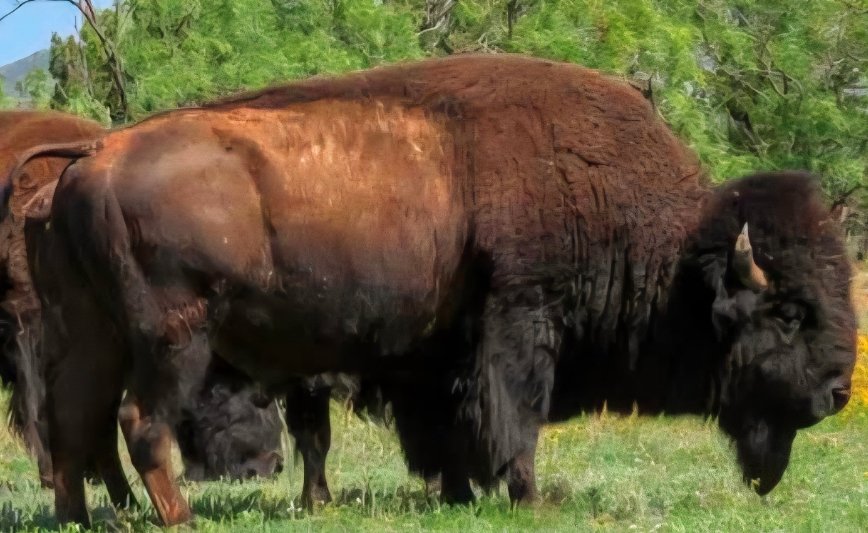
Colorado wildlife officials have launched a new program allowing limited bison hunting under a law that took effect on January 1, 2026. The move classifies free-roaming bison as big game animals, opening the door for managed hunts to control populations while protecting the species.
Details of the New Bison Law
Senate Bill 25-053 changes how Colorado handles bison. It treats wild bison as wildlife rather than livestock, which means strict rules now apply to hunting them.
This law aims to protect bison that wander into the state from places like Utah or Wyoming. Before this, free-roaming bison lacked clear legal status, leading to confusion for ranchers and wildlife managers. Now, the Colorado Parks and Wildlife Commission can authorize hunts only when needed for population control or safety reasons.
Officials say this dual status helps balance conservation with practical management. For example, if bison damage crops or pose risks to people, selected hunters could step in. The law also sets high fees for licenses to discourage casual hunting and fund wildlife programs.
How the Hunting Roster Works
Hunters eager to join must act fast. Registration for the bison roster opened on January 1 and runs through January 31, 2026.
Colorado Parks and Wildlife picks names randomly from the roster for case-by-case hunts. This is not a full hunting season. Instead, it’s a tool for managing specific situations, like when bison herds grow too large.
To sign up, visit the official Colorado Parks and Wildlife website. You’ll need a valid hunting license and some basic info. Officials expect high interest, given Colorado’s strong hunting community.
Once selected, hunters get details on location, timing, and rules. License costs start at about $374 for residents and over $2,700 for non-residents, based on recent state guidelines.
Why This Matters for Conservation
Bison once roamed vast parts of North America, but numbers dropped sharply in the 1800s due to overhunting. Today, efforts to restore them face challenges like habitat loss and conflicts with human activities.
In Colorado, this law builds on trends in nearby states. For instance, Utah has managed wild bison in places like the Henry Mountains for years, with limited hunts to keep herds healthy. Colorado’s approach mirrors that, focusing on sustainability.
Experts point out that controlled hunting can prevent overpopulation, which might lead to starvation or disease in herds. It also generates revenue for conservation, much like elk or deer hunting programs.
Recent events show the need. In 2025, a small group of bison crossed into Colorado from federal lands, sparking debates on how to handle them. The new law provides a clear path forward.
Key Rules and Requirements
Hunters should know the basics before applying. Here’s a quick list of important points:
- Must have a current Colorado hunting license.
- Roster sign-up is free, but selected hunters pay for the bison license.
- Hunts happen only if wildlife officials deem them necessary, possibly in remote areas.
- No guaranteed spots; it’s a random draw.
For fees and penalties, check this table of costs under the new law:
| Item | Resident Cost | Non-Resident Cost |
|---|---|---|
| Bison Hunting License | $374 | $2,757 |
| Illegal Possession Fine | $1,000 minimum | $1,000 minimum |
| Application Fee | Free | Free |
These figures come from state wildlife updates and help fund habitat protection.
Impact on Local Communities
Ranchers in western Colorado welcome the change. They worried about wild bison mixing with cattle or damaging fences. Now, with managed hunts, conflicts might drop.
On the flip side, conservation groups praise the protections. Groups like the Rocky Mountain Bison Association say it ensures bison thrive as a native species.
Tourism could benefit too. Bison sightings draw visitors to places like the Great Sand Dunes National Park, where herds sometimes appear. Managed populations keep the allure without overwhelming local resources.
This fits into broader 2026 wildlife trends, including new rules for wolf reintroduction in Colorado. Both efforts show the state’s push for balanced ecosystems.
Future Outlook for Bison in Colorado
Looking ahead, Colorado Parks and Wildlife plans to create a full bison management strategy by mid-2026. This will include public input and scientific data on herd sizes.
If successful, the roster could expand or lead to limited seasons in high-population areas. For now, it’s a cautious start.
Hunters and nature lovers should watch for updates. Share this article if you found it helpful, and drop a comment below on your thoughts about bison hunting in Colorado.












Mortgage Rates Climb to an 11-Month High, and Buyers Retreat Fast

FCC Sets August 6 Vote to Erase the 39% TV Ownership Cap

Netflix Heads Into Earnings With Its 2022 Playbook Already Spent

China’s Economy Grows Just 4.3% as Exports Boom and Households Retreat

United Airlines Beats Earnings Estimates Despite $6 Billion Fuel Hit

California’s Plastic Packaging Law Draws Fire From Every Side

xAI Sues a Grok User for CSAM Deepfakes It Struggled to Stop

US Stocks Edge Within 0.5% of a Record as Oil Climbs on War

BlackRock’s Private Markets Bet Pays Off With a Record $15 Trillion in Assets

Kalshi Traders See 93% Odds Gas Tops $4 as Iran Strikes Return

Halo Studios Reverses PS Plus for Halo: Campaign Evolved on PS5

Black Ops 1 and 2 PS5 Ports: $40 Price Tag Has Fans Uneasy

Matt Brown Dismisses Rousey and Paul’s MVP MMA Ratings Win Over UFC

Star Wars: Galactic Racer Is a Roguelite Racer With a Podracing Skin

Julius Randle Traded to Nets as Wolves Reclaim Cap Space for Dosunmu

Sega’s $49.99 Sonic Classic and Modern Bundles Hit Switch in October

Colombia Edge DR Congo as Muñoz Books World Cup Knockout Place

Douze Dixièmes Closes Five Months After MIO: Memories in Orbit

Warriors Take Yaxel Lendeborg, the Oldest Pick in the 2026 NBA Draft

Meta’s Muse Image Lets Anyone Use Your Instagram Photos in AI
-

 TECHNOLOGY3 years ago
How to Adjust a Bulova Watch Band – An Easy Guide
-

 News3 years ago
Fred Pentland: Athletic Bilbao’s English mentor who changed the essence of Spanish football
-

 FINANCE3 years ago
Tax Planning for Every Season: Guide to Maximizing Your Tax Benefits
-

 Education3 years ago
African Ministers New Education Plan
-

 BUSINESS3 years ago
What is Entrepreneurial Operating System? A Comprehensive Guide to EOS
-

 Education3 years ago
Innovate Your Learning Journey with Technology and Enhance Education
-

 News3 years ago
Russians formally out of World Athletics Championships
-

 BUSINESS3 years ago
Top 9 Most Expensive American Cities to Rent an Apartment