
News
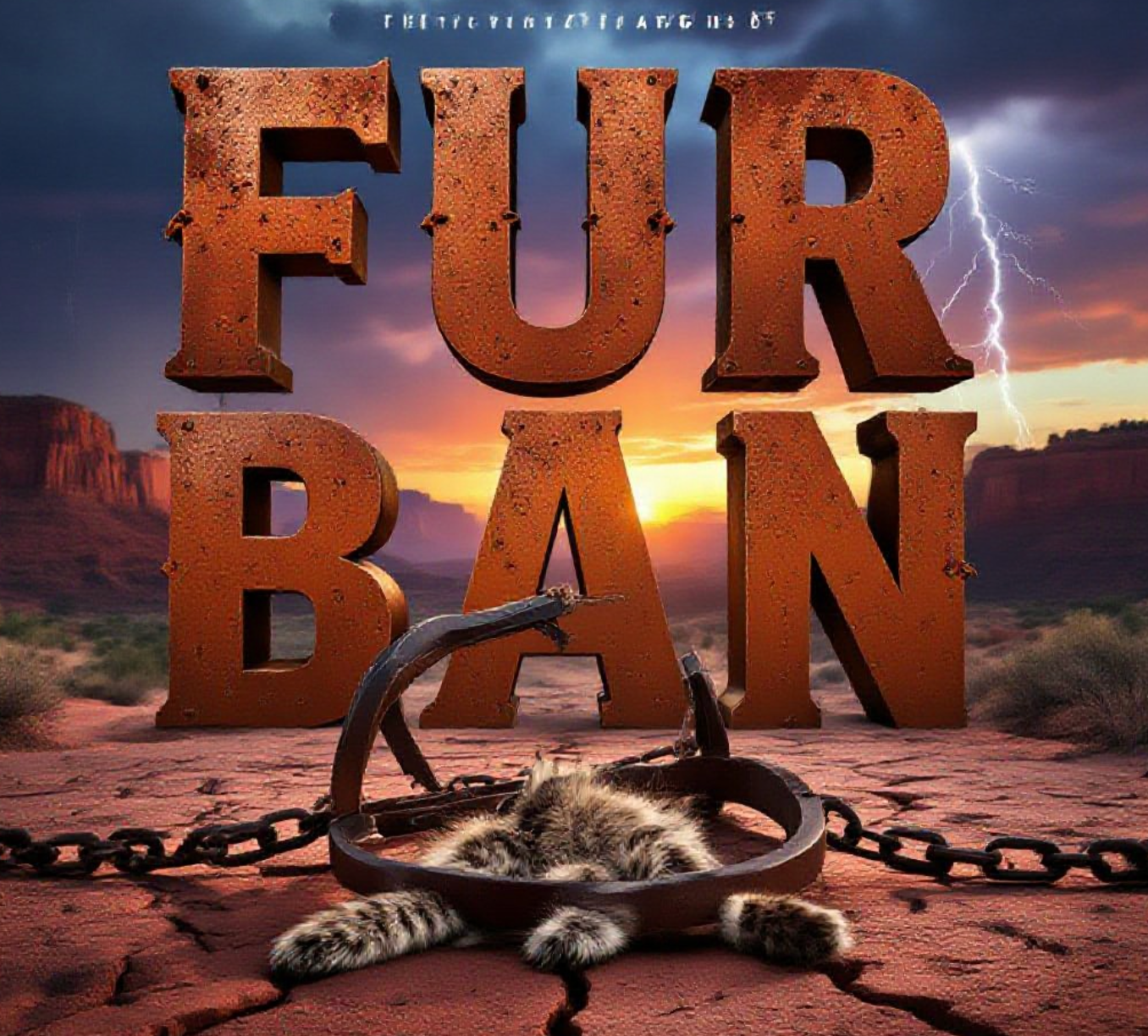
Colorado Fur Ban Showdown Set for Grand Junction in May

A controversial proposal to ban the commercial sale of wildlife fur in Colorado is moving forward after the state’s Parks and Wildlife Commission voted to draft formal rules, rejecting staff recommendations to kill the idea. The decision has ignited fierce debate between animal protection advocates and rural communities who see trapping as part of Colorado’s heritage.
The pivotal public hearing is scheduled for May 6-7 in Grand Junction, where the exact rule language will be revealed for the first time and residents can testify in person.
How the Proposal Reached This Point
The push began with a citizen petition from the Center for Biological Diversity, which gathered thousands of signatures arguing that Colorado lacks accurate population data for many furbearer species including bobcat, coyote, beaver, and fox.
Without reliable counts, the group says, the state cannot prove current trapping levels are sustainable.
Colorado Parks and Wildlife staff strongly recommended denying the petition in January, stating there is “no biological justification” for a ban and pointing out that Colorado already has some of the nation’s toughest trapping regulations: mandatory 48-hour trap checks in most areas, bans on certain snares and leghold traps on land, and detailed reporting requirements.
Yet in a surprise move, the commission voted 6-3 to advance rule-making anyway, meaning the proposal now heads to formal drafting and public comment.
Trappers and Hunters Call It an Attack on Science-Based Management
Longtime trappers and sporting groups say the decision prioritizes emotion over decades of wildlife data.
“Colorado’s furbearer populations are healthy and closely monitored,” said Dean Riggs, a retired CPW employee and Western Slope sportsman with 30 years of experience. “This isn’t about conservation; it’s about people who don’t like the idea of trapping deciding they get to end a legal, regulated activity.”
Riggs and others worry the ban would dismantle part of the North American Model of Wildlife Conservation, the system that has successfully recovered species like elk, deer, and wild turkey through regulated hunting and trapping.
Active licensed trappers in Colorado have dropped below 800 in recent years, down from thousands decades ago. Fur harvest numbers reflect that decline:
- Bobcat: 1,200-1,800 annually (well below sustainable limits)
- Coyote: Fewer than 5,000 reported pelts most seasons
- Beaver: Around 2,000-3,000
Total value of the commercial fur market in Colorado is estimated at less than $200,000 per year, a tiny fraction of the state’s $5 billion outdoor recreation economy.
The Ripple Effects Beyond Trapping
Critics warn the ban could hurt more than just trappers.
Fly-fishing guides and tiers rely on natural fur and feathers for realistic patterns. High-end cowboy hats, a Colorado staple, are traditionally made from beaver felt. Taxidermists, outfitters, and even some Native American artisans who use legally harvested fur could face new restrictions.
“This reaches into rural economies in ways people in Denver don’t see,” said one Mesa County trapper who asked not to be named ahead of the hearing. “We’re talking about family traditions that go back generations.”
Animal Advocates Celebrate a Major Step Forward
“This is huge progress for wildlife,” said Samantha Miller with the Center for Biological Diversity. “States like California have already banned fur sales, and Colorado can join them in saying wildlife shouldn’t suffer for fashion or profit.”
Miller pointed to hidden suffering in traps and the difficulty of getting accurate population counts for nocturnal, wide-ranging species.
The proposed rule would prohibit selling fur taken from Colorado wildlife but would still allow recreational trapping with requirements that pelts be kept for personal use only.
What Happens in Grand Junction This May
The May 6-7 meeting at the Two Rivers Convention Center will be the first chance for Coloradans to speak directly to commissioners about the draft language.
CPW will present the exact proposed regulations, expected to mirror language from similar bans in other states.
Public testimony will be taken both days, and written comments will remain open through the summer before a final commission vote, likely in late 2025 or early 2026.
Western Slope residents, who overwhelmingly opposed similar wildlife ballot measures in 2024, are organizing bus caravans to Grand Junction to make their voices heard.
This fight goes deeper than fur. It is about who gets to decide how Colorado manages its wildlife in 2025 and beyond: urban voters and national advocacy groups, or the scientists, ranchers, and rural communities who live closest to the land.
The eyes of hunters, trappers, and animal lovers across the country are now on Grand Junction this May.
Tell us where you stand. Will you be attending the hearing? Do you support or oppose ending commercial fur sales in Colorado? Drop your thoughts below.










Halo Campaign Evolved Skulls Meet Death Barriers That Kill the Hunt

Spotify Running Mode Returns After the 2015 Experiment Failed

Amazon AWS Hits Fastest Growth in Years as AI Spend Pays Off

Amazon Bets Platform Beats Models in the AI Race

Apple C2 Modem Edges Into iPhone 18 Pro After Qualcomm Drop

Google Earth Adds Nano Banana 2 to Reimagine Real Places

Apple Upgrade Turns Phones Into Monthly Utility Bills

Asha Sharma Bets Xbox Growth on Console and Four C’s

MacBook Ultra Design Follows Apple’s Familiar Cascade Path

TAG Heuer Carrera x Team Ikuzawa Revives 1970s Roadmaster Stopwatch DNA

Pokémon GO Developer Niantic Rebrands as Scopely Explore

Jaylen Brown Traded to 76ers for Paul George and Four Draft Picks

Doom Studio id Software Cuts Half Its Staff in Xbox Layoffs

Nintendo Switch Online Adds Four Classics and One Japan-Only Title

Jordan Henderson Hospitalized After Wrist Injury at the Azteca

Mexico’s World Cup Run Ends at Azteca as England Hold On 3-2

Meta’s Muse Image Lets Anyone Use Your Instagram Photos in AI

Louis Vuitton Beats Molly Tea in China, Triggers Cultural Backlash

Pink Bearista Cup Returns July 13 as Starbucks Pink Vibes Drops

Samsung Sets Galaxy Unpacked for July 22 in London With a Wider Fold
-

 TECHNOLOGY3 years ago
How to Adjust a Bulova Watch Band – An Easy Guide
-

 News3 years ago
Fred Pentland: Athletic Bilbao’s English mentor who changed the essence of Spanish football
-

 FINANCE3 years ago
Tax Planning for Every Season: Guide to Maximizing Your Tax Benefits
-

 Education3 years ago
African Ministers New Education Plan
-

 BUSINESS3 years ago
What is Entrepreneurial Operating System? A Comprehensive Guide to EOS
-

 Education3 years ago
Innovate Your Learning Journey with Technology and Enhance Education
-

 News3 years ago
Russians formally out of World Athletics Championships
-

 BUSINESS3 years ago
Top 9 Most Expensive American Cities to Rent an Apartment