
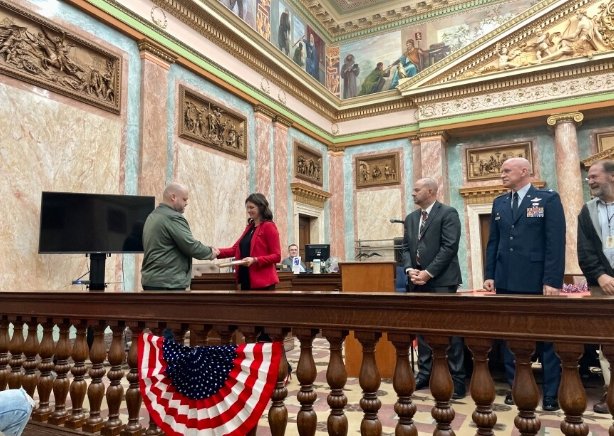
Tears, hugs, and more than a few proud smiles filled the courtroom Monday as 44 individuals graduated from the Allen Superior Court’s Drug Court program. For many, it marked not just the end of court supervision, but the beginning of a new chapter in life—clean, stable, and hopeful.
Since its launch in 1997, the program has helped over 1,300 people battle addiction and avoid the revolving door of jail time. This week’s graduates added more than 600 collective months of sobriety to that ongoing legacy.
A Different Kind of Justice Bench
Allen County’s Drug Court doesn’t operate like a traditional courtroom.
Instead of focusing on punishment, it offers structure, support, and supervision for people battling substance use issues. Participants undergo frequent drug testing, counseling, check-ins, and judicial oversight.
Judge Frances Gull, a longtime champion of the program, reminded everyone what was really being celebrated.
“This isn’t just a graduation. It’s a transformation. It’s people reclaiming their lives,” she said.
The courtroom atmosphere felt closer to a family reunion than a sentencing hearing. Laughter mixed with emotion as each name was called.
One sentence here.
Each graduate shared a few words, some offering thanks to the court, others to their families—or simply to themselves.
From Rock Bottom to Redemption
For some, getting into Drug Court wasn’t the plan. They arrived in handcuffs, not by invitation.
But once inside the program, the structure started to change lives. One graduate, James M., told the crowd he’d “never gone more than a few months clean” before entering Drug Court. Now, he’s 18 months sober, working full-time, and rebuilding trust with his children.
Others had stories of jail time, broken homes, and burned bridges. But Monday’s event wasn’t about the past.
It was about progress.
A few stats shared at the ceremony drove home just how far the class had come:
-
44 graduates
-
Over 600 months of sobriety
-
Dozens now employed or in school
-
Several reunited with their families
What Makes Drug Court Work
Unlike traditional court proceedings, Drug Court combines legal accountability with addiction treatment.
Participants go through several phases of increasing responsibility. Early stages involve intense supervision, including:
-
Mandatory drug screenings
-
Weekly court appearances
-
Group therapy and counseling
-
Employment or education requirements
As participants show consistency, they earn more independence.
What’s striking is that the system doesn’t just offer help—it expects hard work. Slip-ups happen, and consequences are part of the process. But support never disappears.
“I had to want it,” said graduate Keisha L. “But once I did, they were right there every single step.”
Long-Term Impact Goes Beyond the Courtroom
The Drug Court’s influence isn’t limited to individual participants. Families, neighborhoods, even local businesses see the ripple effects.
Parents get their children back. Employers gain dependable workers. Hospitals see fewer overdoses. Police log fewer re-arrests.
A 2021 study by the Indiana Judicial Center found that Drug Court graduates were 50% less likely to reoffend within two years compared to similar defendants outside the program. That’s not just a win for courts—it’s a win for taxpayers and communities too.
Here’s a quick look at some statewide comparison data:
| Metric | Drug Court Participants | Traditional Sentencing |
|---|---|---|
| Recidivism Rate (2 years) | 23% | 46% |
| Average Sobriety at Graduation | 14.7 months | N/A |
| Employment at Graduation | 68% | 42% |
That kind of data makes a case that even skeptics find hard to argue with.
More Than a Certificate
Graduation day may come with a diploma, but it’s more than that.
Several graduates said it felt like an emotional reset—freedom from more than just probation.
One young man spoke about losing friends to fentanyl. Another talked about jail stints that didn’t “teach anything but survival.”
What Drug Court offered them, they said, was a chance to slow down, rebuild, and stay alive.
For the families in the room—many of whom had been through years of heartbreak—the ceremony brought its own relief.
One mother said she hadn’t hugged her daughter sober in five years. “Today,” she said, “I got my baby back.”