
FORT WAYNE, Ind. — The latest round of property assessments in Allen County has stirred concerns among homeowners, with many citing significant increases in their tax bills. As assessed values of properties rise, so too do the taxes that homeowners must pay, creating financial challenges for some residents, particularly those who own rental properties or are on fixed incomes.
In particular, Brent Minnick, a local property investor who owns several rental properties in the county, has raised alarms about the escalating costs. His property taxes, he claims, have more than doubled over the past three years, leaving him struggling to maintain the profitability of his investments.
“The property taxes are extremely difficult for me as an investor in the community,” said Minnick. “I have a number of rental properties, and I went back and looked. My property taxes have doubled from 2022 to 2025.”
For Minnick and other property owners, the rising assessments have created a sense of urgency. Many worry that the increases could push homeowners out of their properties or force them to reduce their investments in the local housing market.
The County’s Mass Appraisal System: How Property Assessments Are Determined
According to officials from the Allen County Assessor’s office, the assessed values are updated annually based on prior-year home sales. The idea is to reflect fair market value, ensuring that assessments are in line with current property values.
While the process is designed to ensure fairness and accuracy, it has raised questions about the broader impact on local residents.
Wayne Township Assessor Derek Camp explained that the assessment system is based on a mass appraisal method, where property values are adjusted based on trends observed across entire neighborhoods. If the average sale price of homes in a given neighborhood rises significantly, the assessments for homes in that neighborhood are also likely to increase.
“If we’re seeing in a neighborhood, housing sales are a certain percentage higher than the assessed value, then that tells us on a mass appraisal basis that the whole neighborhood’s value goes up,” said Camp.
This approach is meant to reflect the reality of the real estate market. However, it also means that even homeowners who have not made any changes to their properties may face increased tax bills if their neighborhood experiences a surge in market activity.
Assessment Concerns: A Growing Financial Burden
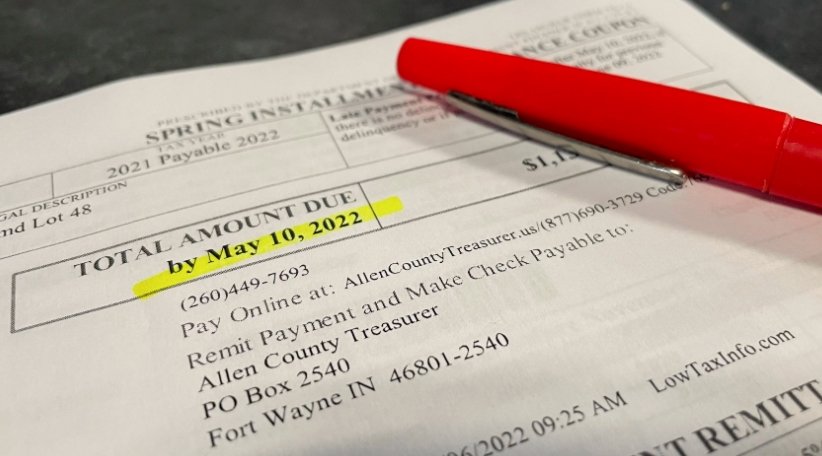
The sharp rise in property assessments has prompted a wide range of concerns among Allen County residents. Many homeowners report receiving tax notices that reflect a significant jump in their property values, which in turn leads to higher tax bills.
Local homeowner Carla McDowell, for example, received a notice this year indicating that her property’s value had increased by 18% from the previous year. This increase has resulted in a higher tax burden, which she says is becoming increasingly difficult to manage.
“People like me, who are living paycheck to paycheck, just can’t keep up with these increases. It feels like the system is working against us,” McDowell said. “It’s already hard enough to pay bills every month, and now we have to deal with this too.”
Property Taxes and Their Impact on the Local Economy
The debate over rising property assessments also taps into a larger conversation about the economic health of Allen County. Property taxes are a critical source of revenue for local governments, funding services such as public education, law enforcement, and infrastructure improvements.
Yet, for residents like Minnick, the sharp increases can create a sense of alienation from the system. As property values rise and tax bills follow suit, many property owners feel that they are being pushed out of the market, potentially affecting the rental sector and reducing available housing options for those who can least afford it.
In response to these concerns, local policymakers have been urged to explore ways to mitigate the effects of rising assessments. Some residents advocate for changes to the way assessments are calculated, including more frequent reassessments to better reflect fluctuations in property values, rather than relying on annual mass appraisals based on neighborhood-wide trends.
“There’s a lot of room for improvement in how the county assesses property,” said Karen Wallace, a local activist who has been vocal about the need for property tax reforms. “We need to look at how we can better serve the people who are struggling, instead of continuing to raise taxes and force them out of their homes.”
What Homeowners Can Do
For those concerned about their rising property assessments, there is a process for appealing the valuations. Homeowners who feel that their property has been overvalued can submit an appeal to the Allen County Assessor’s office. The deadline to file appeals for the 2025 assessments is June 16.
The process involves submitting documentation that shows the assessed value is not reflective of the property’s actual market value. For example, homeowners may provide recent sale data or evidence of property damage or other factors that affect value.
The assessor’s office encourages homeowners to contact their office with any concerns, and for those who are uncertain about the process, there are resources available to guide them through the appeal.
Looking Ahead: The Future of Property Assessments in Allen County
As Allen County moves forward with its property assessment process, the broader question remains about how to balance the needs of homeowners, investors, and the local government. Property taxes play a significant role in maintaining public services, but they can also create hardships for homeowners who are already facing financial pressures.
Whether the current system can be adjusted to better accommodate the needs of residents while ensuring fair revenue collection remains to be seen. However, the growing dissatisfaction with rising assessments suggests that the conversation surrounding property tax reform in Allen County is far from over.