A new case of bird flu has struck a commercial egg layer operation in LaGrange County, Indiana, affecting nearly 20,000 birds and marking the latest outbreak in a series of incidents this month. State officials confirmed the highly pathogenic avian influenza on October 21, prompting quick action to contain the virus and protect nearby farms.
Latest Outbreak Details
The Indiana State Board of Animal Health reported this incident at a facility with about 19,570 birds, all of which faced depopulation to stop the spread. This comes just days after similar detections in the same county, highlighting a concerning cluster in northeast Indiana.
Workers at the site noticed signs of illness early, leading to testing that verified the H5N1 strain. The farm now sits within active quarantine zones, and experts are monitoring for any further transmission.
Since early October, LaGrange and nearby Elkhart counties have seen multiple cases, mostly in duck and egg production sites. This pattern suggests wild birds may play a role in carrying the virus to domestic flocks during migration season.
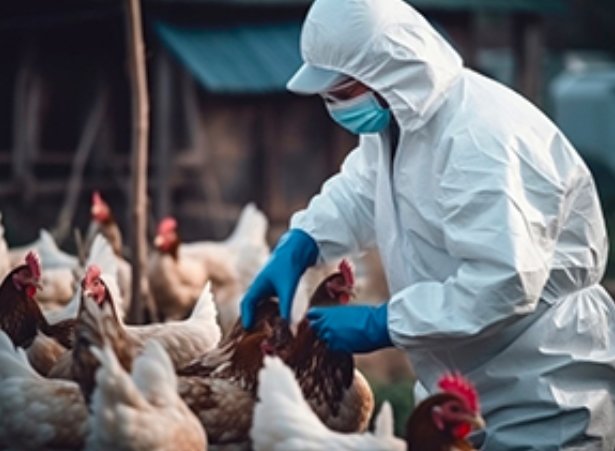
Broader Impact on Indiana Farms
Indiana has dealt with bird flu challenges throughout 2025, with 30 confirmed cases in commercial poultry operations so far. The state leads the nation in duck production, making these outbreaks especially disruptive to local agriculture.
Earlier this year, massive losses hit egg farms in places like Jay and Jackson counties, where millions of birds were lost. Those events drove up egg prices nationwide, and this fresh wave could add pressure on supply chains.
Farmers in the region report heightened vigilance, with many enhancing biosecurity like limiting visitor access and cleaning equipment more often. The emotional toll on owners is real, as losing entire flocks means starting over from scratch.
- Key affected areas include LaGrange, Elkhart, and Noble counties.
- Total birds impacted in Indiana this year exceed 8.3 million.
- Duck farms have been hit hardest in recent weeks, with over 22,000 culled in one cluster.
Containment Efforts Underway
Authorities established a 10-kilometer control area around the site, covering parts of three counties, where movement of birds and equipment is restricted. A larger 20-kilometer surveillance zone requires testing of nearby flocks to ensure the virus does not spread further.
The U.S. Department of Agriculture provides indemnity payments to cover depopulation costs, helping farms recover financially. Once tests confirm the area is clear, quarantines will lift, allowing restocking to resume.
State wildlife experts, along with federal partners, are tracking wild birds, which often introduce the virus. Recent findings show the flu in waterfowl across more than 30 Indiana counties, underscoring the need for ongoing monitoring.
| Date | County | Flock Type | Birds Affected | Status |
|---|---|---|---|---|
| Oct 9 | LaGrange | Commercial Duck | 2,500 | Depopulated |
| Oct 14 | Elkhart/LaGrange | Duck Breeder/Meat | 16,500 | Quarantined |
| Oct 19 | LaGrange | Egg Layer | 19,570 | Depopulated |
| Oct 21 | LaGrange | Egg Layer | 19,000 | Depopulated |
| Oct 26 | LaGrange | Egg Layer | 19,570 | Active Quarantine |
Health Risks and Safety Tips
Bird flu poses no direct threat to humans through properly handled food, but poultry owners must watch for symptoms in their birds. Early detection can prevent larger losses.
Common signs include:
- Sudden death without warning.
- Lack of energy or appetite.
- Drops in egg output.
- Breathing problems like coughing or nasal discharge.
- Swelling around the head or eyes.
Cook poultry and eggs thoroughly to kill any virus, and avoid contact with sick birds. Pasteurized dairy remains safe as well. For those feeling stressed by these events, mental health support lines are available through local extension offices.
The virus has shown up in wild birds statewide, so hunters and backyard keepers should report dead finds to authorities right away.
Economic Ripple Effects
These outbreaks strain the egg industry, where Indiana supplies a big share of the Midwest market. Prices spiked earlier in 2025 after big losses, reaching over $5 per dozen in stores. Consumers may see similar jumps if cases continue.
Related events, like detections in wild vultures and ducks, add to the worry for broader agriculture. Farms are adapting with better fencing and vaccination trials, but full recovery takes time and investment.
Experts predict fall migration could bring more risks, so staying informed helps everyone prepare.
Share your thoughts on how these outbreaks affect your family or farm in the comments below, and spread the word to keep others aware.