The Bureau of Land Management is constructing a new multi-use aviation base at the Grand Junction Regional Airport in Colorado to boost wildfire fighting efforts. This project, funded by a nearly nine million dollar grant, aims to modernize outdated facilities and improve operations amid rising wildfire threats in the West.
Project Details and Purpose
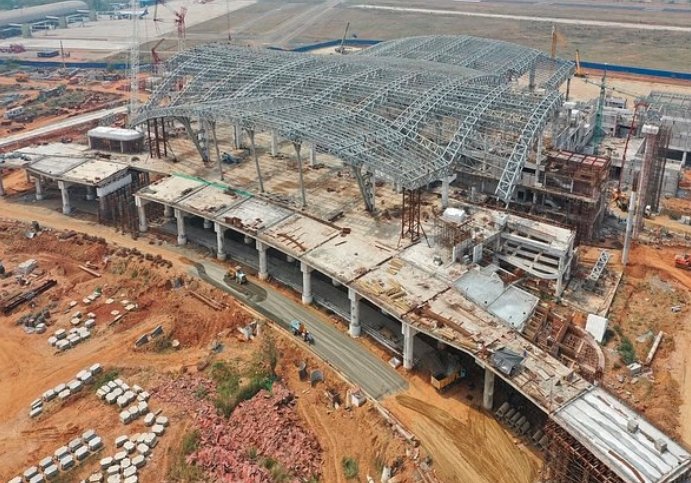
Construction on the new BLM aviation base began recently at the Grand Junction Regional Airport. The facility will serve multiple roles, including housing firefighters, aviators, engineers, and dispatchers.
This base replaces structures built in the 1970s that no longer meet current needs. Officials say the upgrade will enhance efficiency for airtankers, smoke jumper planes, and survey aircraft used in wildfire battles.
The project has been in planning for four years. It focuses on improving visibility and coordination among teams, from fuel handlers to ramp cleaners.
Funding Sources and Costs
The main funding comes from the Great American Outdoors Act, providing about nine million dollars for the build. This federal grant supports public land improvements across the nation.
Additional support ties into broader airport enhancements. The Grand Junction Regional Airport recently received over twelve million dollars in grants for runway expansions and other upgrades.
These funds will allow for larger aircraft operations, which could transform the base into a hub for very large air tankers. Such tankers have been limited here due to runway constraints in the past.
| Funding Source | Amount | Purpose |
|---|---|---|
| Great American Outdoors Act | $9 million | New aviation base construction |
| Airport Improvement Grants | $12.5 million | Runway expansion and related projects |
| Other Federal Support | Varies | Wildfire response enhancements |
Impact on Wildfire Fighting
Wildfires have ravaged Western Colorado this summer, with several blazes requiring aerial support. The new base will expand BLM’s capacity to respond faster and more effectively.
By welcoming bigger aircraft, the facility could cover larger areas during fire seasons. This is crucial as climate change leads to hotter, drier conditions that fuel more intense fires.
Local fire management officers note that the base will improve interagency cooperation. Teams from multiple groups can work together under one roof, speeding up dispatch times.
- Enhanced aircraft fueling and maintenance for quicker takeoffs.
- Better storage for fire retardants and equipment.
- Increased space for training sessions on wildfire tactics.
Recent events, like the Turner Gulch Fire near Palisade, show the need for strong aerial resources. That blaze prompted evacuations and highlighted gaps in current setups.
Airport Upgrades and Economic Benefits
The Grand Junction Regional Airport is seeing major changes beyond the BLM base. A key part is the runway extension, which will support heavier planes and boost economic growth.
Airport officials say these improvements will aid not just firefighting but also commercial flights. Passenger numbers hit nearly 483,000 in 2023, up from previous years.
The longer runway could attract more airlines, creating jobs in aviation and related fields. This ties into Colorado’s push for better infrastructure in rural areas.
Wildfire efforts will benefit too, as the expanded space might include new pits for aircraft loading. This could position Grand Junction as a key player in national fire response.
Timeline and Future Outlook
Work on the aviation base is underway, with completion expected in the coming years. Airport grants will fund phased improvements starting soon.
BLM plans to monitor progress and adjust based on wildfire trends. With fires like the recent Range Fire burning thousands of acres, such bases are vital.
Experts predict more severe fire seasons ahead due to ongoing drought patterns. This project aligns with federal goals to strengthen land management and emergency responses.
As construction advances, it promises safer communities and better-protected public lands. Readers, share your thoughts on how these upgrades might affect wildfire safety in your area, and comment below to join the discussion.