
A nine year old boy in South Africa tripped over a rock during a dog walk in 2008 and uncovered bones that scientists now call a key piece in human evolution. This nearly two million year old skeleton of Australopithecus sediba acts as the missing link between our apelike ancestors and early humans who made tools, according to a fresh study released this month.
The find happened in a cave near Johannesburg and has sparked years of research. Experts say it changes how we see the shift from tree dwelling apes to upright walking humans. With new details from 2025 studies, this discovery keeps rewriting our family tree.
The Accidental Discovery That Changed Everything
Matthew Berger was just playing outside with his dog when he stumbled on the fossils in the Malapa cave site. The bones turned out to be from an adult female and a young male, both about 1.98 million years old. This spot in the Cradle of Humankind area has yielded many ancient remains over the years.
Paleoanthropologists quickly saw the value in these skeletons. They were more complete than the famous Lucy fossil from Ethiopia, found back in 1974. Unlike partial finds, these gave a clear look at the whole body structure. The boy and his family helped alert experts, leading to careful excavation.
The discovery came at a time when scientists debated human origins. Other sites in South Africa, like Sterkfontein, had older fossils, but this one filled a specific gap. Teams worked for years to clean and study the bones, facing challenges from the hard sediment around them.
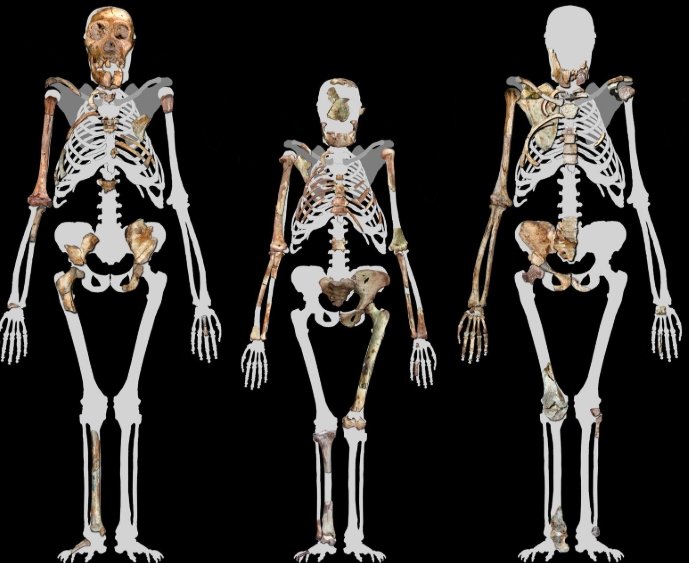
Understanding Australopithecus Sediba
Australopithecus sediba gets its name from southern ape, pointing to its African roots. This species stood about four feet tall and weighed around 60 pounds, smaller than many later humans. Its brain was ape sized, but the body showed mixed traits.
The female skeleton, known as MH2, and the juvenile MH1, revealed a blend of features. The pelvis and legs suggest upright walking, much like modern people. Yet the arms and shoulders hint at climbing skills for life in trees.
- Key physical traits include a small flat face, precise hand grip for holding objects, and feet built for both ground and branch travel.
- Compared to earlier species, Au. sediba had teeth suited for a varied diet of fruits, leaves, and maybe some meat.
- Its small size might have helped in forested areas, avoiding big predators while foraging.
This mix makes it a puzzle piece in evolution. It lived around the time when the climate in Africa was shifting to more open grasslands.
Insights from the Latest 2025 Study
A new analysis published this October confirms Au. sediba as a unique species, distinct from others. Led by experts like Jeremy DeSilva, the research looks at the full anatomy and spots links to the Homo group. It shows how this ancestor bridged the gap from three million year old apelike forms to tool users from 1.5 million years ago.
The study highlights the hands, which allowed for better control than pure apes but not full tool making yet. This precise grip could mean early manipulation of branches or stones. The spine and lower back also prove it walked on two legs most of the time, though it climbed for safety.
Researchers used advanced scans to measure bone shapes without damage. They found the pelvis wider for birth, similar to humans, but the rib cage more barrel shaped like apes. These details force a rethink of how we evolved bipedalism.
In related work, a May 2025 paper compared Au. sediba hands to Homo naledi, another South African find. It shows Au. sediba had stronger power grips for climbing, while naledi leaned toward finer control. This variation points to diverse lifestyles in ancient hominins.
Evolutionary Role and Why It Matters
Au. sediba sits between Australopithecus afarensis, like Lucy, and Homo habilis, the first known tool maker. This position makes it a vital link in the human evolution timeline. It lived just as the Homo line started, suggesting it might be a direct ancestor or close cousin.
The fossils show a mosaic of traits: human like hips for walking, ape like feet for grasping. This hybrid form likely helped survive changing environments. As forests shrank, these abilities allowed shifting to ground life while keeping tree escapes.
Experts debate if it interbred with early Homo. Genetic clues are hard to get from old bones, but bone shapes suggest close ties. This find challenges old ideas that evolution was a straight line, showing branches and mixes instead.
Recent events tie in, like the August 2025 report on new Ethiopian fossils. That study reexamines Au. sediba’s place in the family tree, strengthening its role as a transitional form. It aligns with ongoing digs in South Africa, where climate data shows wetter times back then.
| Feature | Australopithecus sediba | Australopithecus afarensis (Lucy) | Homo habilis |
|---|---|---|---|
| Age (millions of years) | 1.98 | 3.2 | 2.1-1.5 |
| Height | 4 feet | 3.5 feet | 4-5 feet |
| Brain size (cc) | 420 | 400-500 | 500-800 |
| Locomotion | Bipedal with climbing | Mostly bipedal | Fully bipedal |
| Tool use | Possible grip | None known | Yes, simple tools |
| Diet | Fruits, leaves, some meat | Plants mainly | Varied, including scavenged meat |
This table compares key traits, showing Au. sediba’s middle ground.
Ongoing Research and Future Discoveries
Work on Au. sediba continues with teams preparing more bones from the original block. In April 2025, updates showed the most complete ancient hominin skull emerging, promising new insights. International groups plan deeper studies on its diet using tooth wear analysis.
South Africa’s sites keep giving surprises. Nearby Homo naledi finds from 2013 add context, showing multiple human lines coexisted. Climate models from 2025 link these fossils to wet periods that boosted plant life.
Videos and models now recreate how Au. sediba moved, based on bone data. These help teach about our past and spark public interest in science. As digs go on, more links might surface, filling other gaps.
The story reminds us how chance plays in science. If Matthew had not noticed the rock, this knowledge might wait longer. It inspires young explorers to look closely at their surroundings.
What do you think about this evolutionary breakthrough? Share your thoughts in the comments below and spread the word on social media to keep the conversation going.