When wildfire meets open range, the stakes aren’t just environmental—they’re deeply personal. Ranchers in western Colorado are doing everything they can to protect hundreds of cattle as the Turner Gulch Fire eats through critical grazing land.
The VanWinkle Ranch, with 587 head of cattle and generations of experience, is facing its most stressful summer in years. And there’s no easy fix when your cattle are surrounded by flames.
Grazing Land Goes Up in Smoke Before It’s Even Used
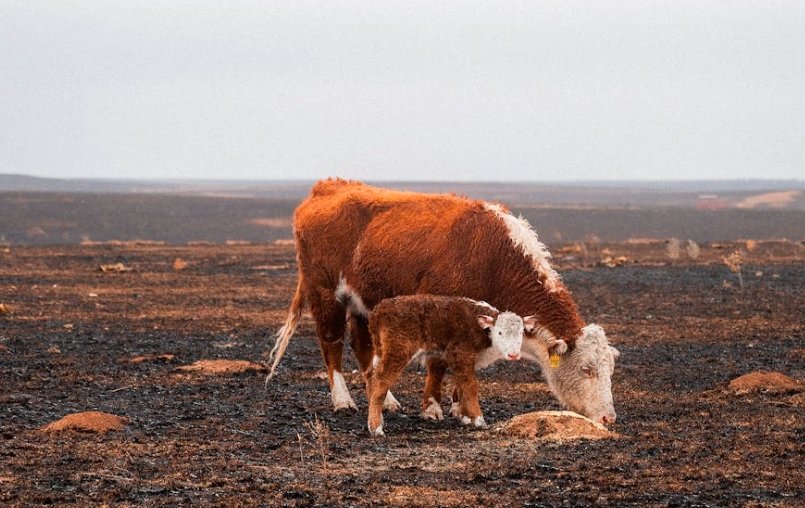
The fire, which broke out on July 10, has already charred more than 12,000 acres in the Uncompahgre National Forest. It’s not just forest—it’s food. And not in some abstract sense. The fire is torching land that was supposed to provide feed for VanWinkle Ranch’s cattle over the next couple of months.
Janie VanWinkle, who owns the herd with her family, put it bluntly: “We truly can’t just pick them up and relocate them.”
She has a federal grazing permit for the area, a lifeline for many ranchers who rely on public lands to maintain operations. The burned acreage was part of a rotation plan—untouched land set aside for later in the season. Now, it’s just ash and smoke.
One sentence won’t capture the sense of dread when you see months of feed go up in smoke.
Fire Crews and Ranchers Working Side by Side
Instead of standing by, the VanWinkle family joined the fight—literally.
Since the fire ignited, they’ve been attending every morning’s fire crew briefing. With the blessing of officials, they’ve been riding horseback into the thick of it, helping locate and shift their herd out of danger.
Sometimes the cattle move, sometimes they don’t. “There are cattle who are just kind of wandering around out there among it,” Janie said. “They’re not even phased.”
The fire hasn’t moved uniformly. Some areas are untouched, while others burn in what’s called a mosaic pattern—patchy and unpredictable. That’s made relocating the herd tricky. Firefighters clear one path, and then the wind shifts.
And still, every morning, the VanWinkles show up.
Unshakable Support from the Community
Despite the stress and chaos, Janie says they’ve never felt alone. Support from Mesa County and federal fire teams has been overwhelming. And genuine.
“They have been amazing,” she said. “They let us be there, they take our input seriously, and they’ve even asked for our help locating some of the cows.”
That kind of collaboration isn’t always a given. But in the American West, relationships matter. Ranchers know the land like the back of their hand—and fire officials know it.
There’s no ego here, just shared survival.
Cattle, Wildfires, and the Long-Term Toll
This isn’t just about one fire. For western ranchers, wildfire season is becoming something they build their calendars around.
The grazing system depends on a delicate balance—different pastures used at different times to avoid overgrazing. When one section burns, the pressure on the rest intensifies. That means:
-
Cattle may be forced to overgraze remaining pastures.
-
Ranchers may have to purchase supplemental feed, which can cost thousands.
-
Long-term damage to grazing lands can take years to recover.
Fire isn’t new out here. But this kind of intensity, this early, is becoming the norm.
One-sentence paragraph? Sure. It’s getting harder to keep up.
By the Numbers: The Fire’s Impact So Far
Here’s a quick look at the Turner Gulch Fire and how it’s affected VanWinkle Ranch operations:
| Factor | Status as of July 22, 2025 |
|---|---|
| Cattle under threat | 587 head |
| Acres burned (grazing land) | 12,000+ acres |
| Days fire has been active | 12 |
| Grazing permit area affected | Significant |
| Estimated feed lost | Enough for 2–3 months |
| Fire behavior | Mosaic pattern; unpredictable |
That’s not just land—it’s livelihood.
Resilience in the Face of Flame
Despite everything, Janie isn’t calling it quits. Far from it.
She’s seen fire before. But not like this. The difference this time is how early and how fast it spread.
Her cattle have survived it so far, thanks to sheer grit and coordination. And oddly enough, a few stubborn cows walking right through smoldering patches like nothing’s wrong.
“They’re tougher than we are,” she joked. “Maybe a little too brave.”
This one-liner says it all: ranchers and their herds are still out there, still showing up, fire or not.