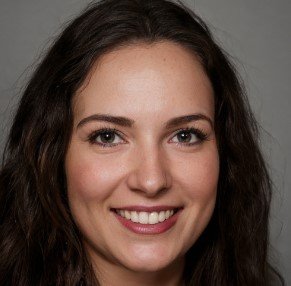
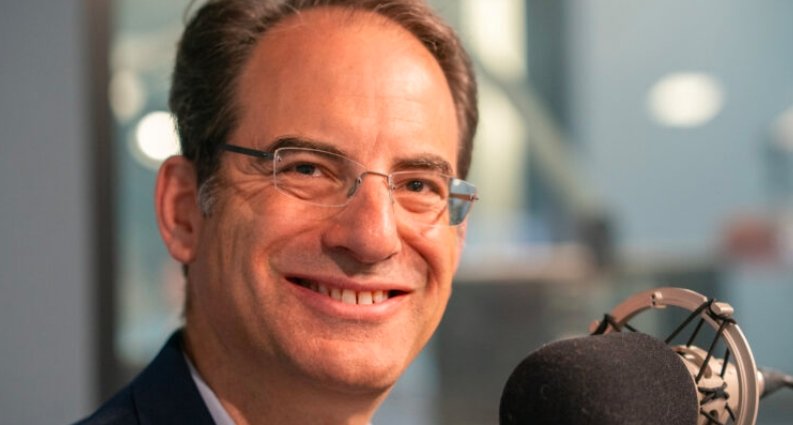
July 23, 2025 | Grand Junction, Colo. — Colorado Attorney General Phil Weiser has filed a civil rights lawsuit against a Mesa County sheriff’s deputy accused of unlawfully sharing a young woman’s personal information with federal immigration officers, sparking concerns over misuse of state authority and violations of sanctuary protections.
At the center of the case is Deputy Alexander Zwinck, who is alleged to have uploaded 19-year-old Caroline Goncalves’ personal information to a private Signal messaging group that included federal immigration enforcement agents — shortly after detaining her during a routine traffic stop.
According to the Attorney General’s office, Goncalves was traveling from Utah to Denver when she was pulled over by Zwinck. What followed, Weiser said, violated state law, eroded public trust, and left a young woman traumatized.
“She suffered what she called the worst experience of her life,” said Weiser. “She was placed in detention for over two weeks. She was away from her home, her friends, her family — and she was filled with fear.”
Attorney General: State law prohibits this
In a formal statement released Tuesday, Weiser emphasized that Colorado’s laws explicitly prohibit local officials from diverting state and local resources to enforce federal immigration laws, particularly when no criminal activity is involved.
“Colorado law clearly directs that our limited state resources go to enforcing Colorado criminal laws, and not be diverted to immigration enforcement,” Weiser stated.
Though debates around state cooperation with immigration enforcement persist across the country, Weiser said those political disagreements are not relevant in this case.
“Whether or not someone agrees or disagrees is irrelevant to the point that our laws prohibit the conduct engaged in here by the sheriff’s deputy.”
The case: What allegedly happened
-
Incident Date: Undisclosed date during Goncalves’ July trip from Utah to Denver
-
Stop: Goncalves was pulled over by Deputy Zwinck in Mesa County
-
Allegation: Zwinck uploaded her personal data (possibly including immigration status) to a Signal group with federal immigration officers
-
Outcome: Goncalves was detained for more than two weeks away from home
-
Civil Action: AG Weiser filed a lawsuit on behalf of Goncalves, citing violations of Colorado law and civil rights
The AG’s complaint accuses Zwinck of engaging in unauthorized cooperation with federal agencies, specifically without probable cause of a state-level criminal offense.
Weiser’s office did not specify whether Goncalves is a U.S. citizen, permanent resident, or otherwise — and made clear that her immigration status should never have been used as a trigger for enforcement.
Broader implications for local law enforcement
The lawsuit underscores the boundaries between state and federal jurisdiction — especially in so-called “sanctuary states” like Colorado, where laws restrict state collaboration on immigration enforcement that isn’t tied to a criminal investigation.
Legal experts say the case could serve as a litmus test for how Colorado enforces its own sanctuary statutes.
“It’s rare to see a state Attorney General take civil action against an individual deputy,” said Jason Lowe, a Denver-based civil rights attorney not involved in the case. “It sends a signal that these are not just internal disciplinary matters — they’re constitutional and statutory issues.”
No comment yet from Mesa County Sheriff’s Office
As of Wednesday morning, the Mesa County Sheriff’s Office has not issued a public response regarding the lawsuit or the employment status of Deputy Zwinck.
The Signal app, which features end-to-end encryption, is commonly used for private communication among law enforcement personnel. However, its use in this context — to share potentially sensitive data across jurisdictions — raises questions about oversight and accountability.
The Attorney General’s office says this is precisely why the lawsuit was necessary.
“What happened to Caroline Goncalves was wrong,” Weiser said. “This lawsuit is about making sure it doesn’t happen to anyone else.”