Seventeen campfires left burning could’ve sparked something far worse in Colorado’s dry backcountry. With summer camping peaking, local fire crews are doubling down on reminders: check restrictions, clear brush, skip gasoline, and fully drown your flames.
A Worrying Pattern Emerging in Colorado’s Backwoods
It’s barely mid-July, yet fire crews are already wrestling with careless campers.
Mike Jones, a Fire Management Specialist for the Upper Colorado River Interagency Fire Management Unit, doesn’t mince words about the trend.
“Seventeen campfires left burning since June — that’s seventeen chances for disaster,” he said.
You’d think it’s common sense to put your fire out completely. But apparently, for some folks, the embers keep smoldering.
Last year, a single overlooked campfire ignited hundreds of acres near Glenwood Springs — costing thousands to contain.
Know the Rules Before You Strike a Match
It’s not rocket science: if there’s a fire restriction in place, don’t start a fire.
Sounds simple, right? Still, Jones sees people ignoring the basics.
“Make sure that we’re not in fire restrictions. And if you are, know what those rules and policies are,” Jones stressed.
Fire bans can change fast. One windy day, one dry spell, and that cozy campfire turns illegal.
Yet campers keep rolling the dice — a gamble that firefighters can’t afford.
Clear a Safe Zone or Risk Feeding the Flames
Even if you’re allowed to light up, your surroundings matter.
Leaves, dry twigs, pine needles — they’re wildfire fuel.
“If you’re having a campfire, make sure that you don’t have fuels, leaves, or grasses that come right up to the campfire,” Jones said.
Take five minutes and sweep the area clean. A cleared ring around your fire pit buys you precious time if embers jump.
It’s basic — but folks skip it in the rush to roast hot dogs.
One stray spark can find its way to a dry patch and boom — you’re the evening news headline.
Gasoline? Just No.
Some campers try to speed things up with gasoline. Jones calls that a rookie mistake.
Using accelerants turns your fire pit into a ticking time bomb.
He suggests you stick with the tried-and-true:
-
Use paper or kindling.
-
Light it with a match or lighter.
-
Keep the fire small and manageable.
A good fire doesn’t need a jerry can to get going. If it does, maybe rethink having one at all.
Don’t Just Walk Away — Put It Dead Out
Here’s where a lot of people blow it: they enjoy the flames all evening, then pack up and leave a pile of warm coals behind.
That leftover heat is like leaving a stove burner on in the middle of the forest.
Jones recommends the “Drown, Stir, Feel” method.
Drench the fire with water until the hissing stops. Stir the ash with a shovel. Hover your hand over it — feel any warmth? Keep dousing.
One sentence says it all: cold to the touch means safe to leave.
Small Sparks, Massive Impact
People underestimate how quickly it can go wrong.
Colorado’s wildfire stats paint a clear picture. A recent state report showed 42% of wildfires last year came from human carelessness — many starting with abandoned campfires.
Check out this quick snapshot:
| Year | Wildfires Caused by People | % of Total |
|---|---|---|
| 2022 | 612 | 40% |
| 2023 | 649 | 42% |
| 2024 | 682 (so far) | 44% |
The trend is creeping in the wrong direction — and firefighters are the ones left picking up the pieces.
Watch the Little Things, Too
Sometimes it’s not just the fire pit that’s risky — it’s you.
Loose clothes, baggy jackets, untied hair — all of them are ready to catch an ember.
That flicker jumps, and suddenly you’re the one in danger.
Jones’ advice is simple:
-
Tie back long hair.
-
Roll up your sleeves.
-
Keep flammable gear well away from the flames.
One second of carelessness can ruin your whole trip.
Emergency? Call for Help, Don’t Hesitate
What if, despite your best efforts, that fire jumps the pit?
Don’t play hero. Get everyone away, and call 911 right away.
The sooner firefighters know, the better chance they have to stop it.
Jones says too many people try to beat back a spreading fire themselves — a risky move that can cost lives.
A Summer Reminder for Every Camper
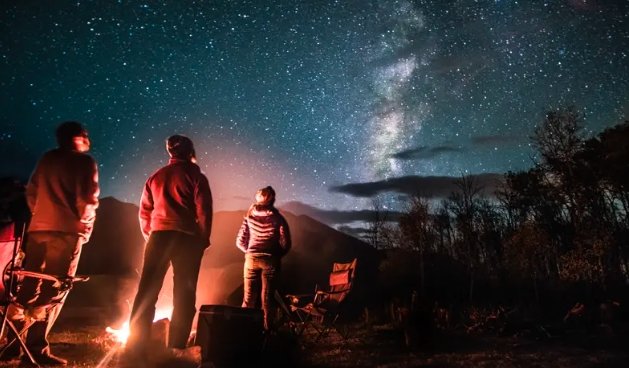
A campfire is part of the classic Colorado camping experience. But the rules are pretty clear:
Don’t start one if it’s banned.
Clear the brush.
Light it smart.
Never, ever leave it warm.
Jones and his crew would love nothing more than a quiet summer without racing to douse abandoned embers at dawn.
One final tip? Treat your fire like you’d treat your own house — you wouldn’t leave the stove on overnight. So why leave a fire pit glowing in a forest?