Colorado Department of Transportation officials are reminding drivers about state traction and chain laws as early snow falls in the mountains. The rules, active since September 1, help keep roads clear and reduce crashes on routes like Interstate 70.
Understanding Colorado’s Traction and Chain Laws
State laws require vehicles to have proper gear for winter conditions to prevent spinouts and delays. These rules apply to all drivers on highways where snow and ice create hazards, especially in high elevations.
The traction law kicks in during storms or bad weather. It demands that vehicles show they can grip slippery roads. Officials activate it based on forecasts and road reports to protect everyone on the way.
Chain laws serve as a stricter step before closing highways. They force all vehicles to add extra traction right away. This setup saves time and boosts safety for travelers heading to ski areas or remote spots.
Vehicle Requirements Under the Laws
Different types of vehicles face specific rules to meet traction needs. Drivers must check their setup before hitting mountain passes.
For two wheel drive cars and commercial vehicles under 16,000 pounds, the focus stays on carrying chains or using approved traction devices. All wheel drive and four wheel drive vehicles need tires built for winter with at least 3/16 inch tread depth. Look for the M plus S symbol or the mountain snowflake icon on the sidewall to confirm.
Winter tires use softer rubber that sticks better in cold and wet spots. Summer tires harden up and slip more, raising crash risks. Experts stress checking tread depth often, as worn tires lead to many incidents.
Here is a quick comparison of requirements:
| Vehicle Type | Traction Law Needs | Chain Law Needs |
|---|---|---|
| Two-Wheel Drive Passenger | Chains or winter tires (M+S or snowflake, 3/16″ tread) | Chains or ATD on two drive tires |
| Four-Wheel/All-Wheel Drive | All tires winter rated, 3/16″ tread | Chains or ATD on drive tires |
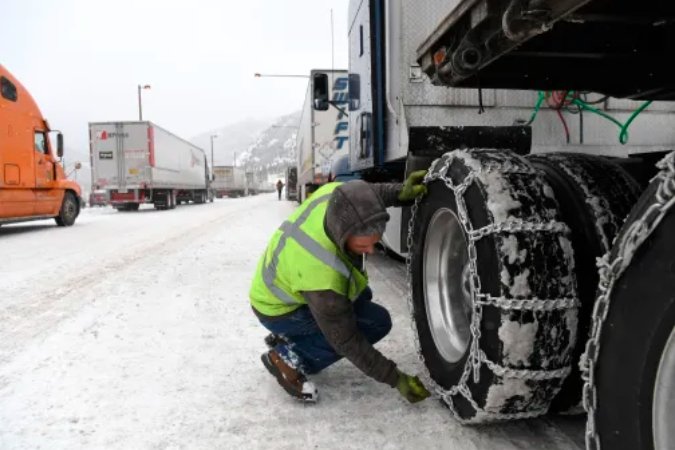
| Commercial (over 16,000 lbs) | Carry chains always on I-70 (Sept-May) | Chains on up to four drive tires |
This table shows how rules change by vehicle and condition level.
Enforcement by Colorado State Patrol
The Colorado State Patrol handles enforcement as a secondary action. They issue tickets only after a crash or traffic blockage from poor traction.
Fines start above 130 dollars for missing equipment during active laws. If a vehicle blocks lanes, penalties jump over 650 dollars. In 2025, patrols ramped up checks on I-70, citing hundreds of drivers early in the season.
Local spots like Vail added their own rules this year. They fine up to 2,650 dollars for semis that spin out without chains. These steps aim to cut the over 900 yearly crashes on the corridor.
Troopers join forces with other agencies for weekly operations. They stop vehicles at chain stations and ports of entry. Compliance hit about 90 percent in recent checks, but violations still cause big backups.
Getting Help and Preparing for Winter Drives
Drivers often struggle with chains, especially newcomers to Colorado’s mountains. Officials partner with groups like Triple A to offer on road aid along I-70.
Volunteers station at key spots to install or check chains during storms. A new 2025 bill lets third party vendors set up at chain areas to sell and fit devices. This could ease jams by helping more folks comply fast.
Preparation starts now with simple steps. Pack an emergency kit with blankets, food, and water for stuck times. Check COtrip.org daily for updates on laws and road status.
- Buy approved traction devices like AutoSock if chains feel tricky.
- Practice installing gear in a safe spot before real snow hits.
- Watch weather apps for sudden changes in high country.
- Join CDOT alerts via text or email for real time warnings.
These tips solve common problems and keep trips smooth.
Why These Laws Matter This Winter Season
Early 2025 snow already brought advisories for 4 to 8 inches in the Rockies. Storms like these test drivers and lead to record traffic on I-70.
Last season saw over 200 closures from spinouts and wrecks. About 15 percent involved big trucks without proper setup. New enforcement cut some issues, but officials push for better habits.
Linking to broader trends, Colorado’s growing ski crowds add pressure. Resorts report more visitors, raising the need for safe roads. Logical steps like carrying gear prevent small slips from turning into big headaches.
Share your winter driving stories in the comments below. Like and share this article to help others stay safe on Colorado roads.